
Top Stories
Dr. Juliet Turner Faces Misogyny After PhD Announcement

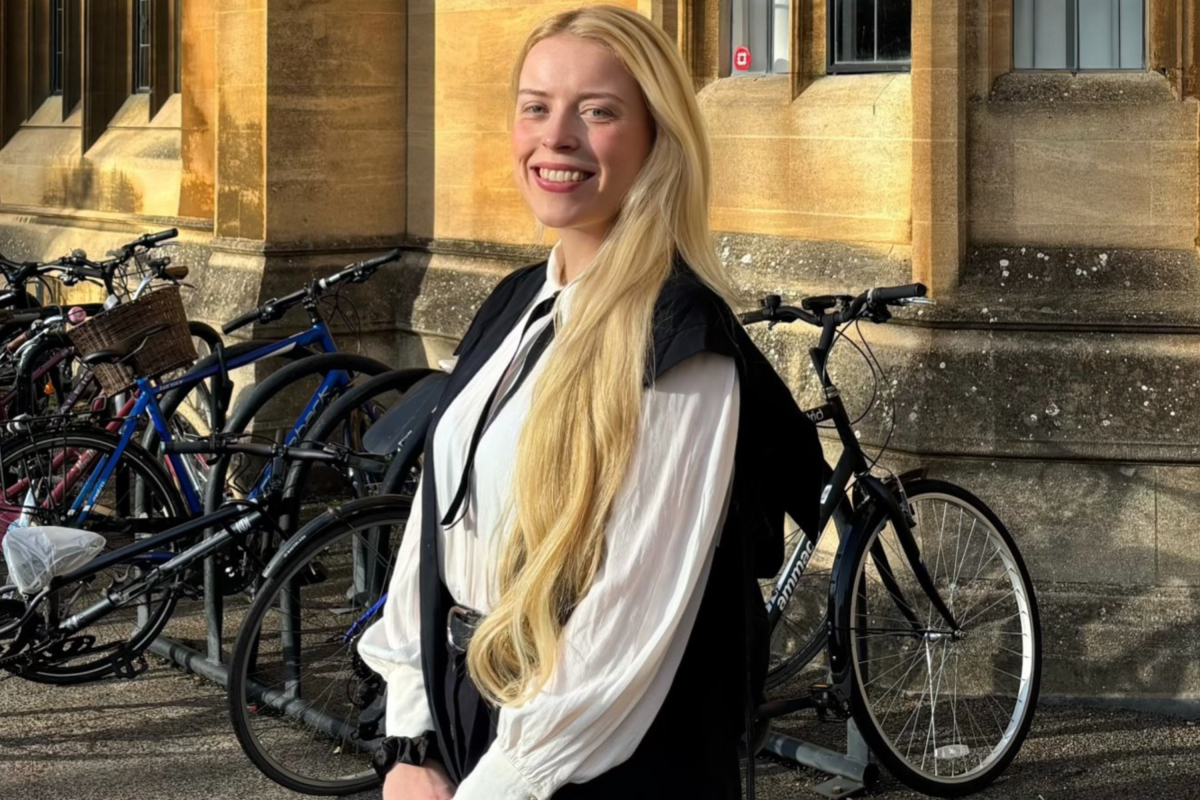
UPDATE: Dr. Juliet Turner, a 27-year-old ecologist, is facing a wave of misogynistic backlash following her recent Ph.D. achievement from the University of Oxford, the world’s top-ranked university. After announcing on social media that she successfully defended her thesis on the evolution of cooperation in insects, Turner was met with an avalanche of sexist comments, revealing deep-seated biases against women in academia.
On November 14, 2023, Turner posted a celebratory message on her account, @juliet_turner6, stating: “I passed my viva exam! After ~4 years of research, I successfully defended my thesis. You can call me Doctor.” The post garnered over 51,000 likes but was quickly overshadowed by a torrent of derogatory remarks from online trolls.
One user crudely remarked on Turner’s academic success, questioning her personal life choices, stating: “30 years old and zero kids. Her ancestors are ashamed of her.” Another comment read, “You are 30 years old with no husband or kids—genetic dead end,” despite Turner being just 27. Such sentiments reflect an alarming trend in online misogyny, with a recent survey from Amnesty International indicating that 73 percent of Gen Z respondents in the U.K. have witnessed misogynistic content online.
Turner expressed her shock at the scale of the online harassment, stating, “Every time I open the app, I’m flooded by new posts of strangers weighing in on either the validity of my thesis topic, the health of my eggs, or the wisdom of my life choices! Very weird.” She noted that while she expected congratulations, the vitriol was unexpected and disheartening.
Despite the negativity, many social media users rallied in support of Turner, with some calling the responses “pure jealousy.” Turner herself voiced a crucial point: “The idea that doing a Ph.D. means you probably won’t have children is odd. I come from an academic family myself, so I’m living proof that academics are capable of self-replication!”
This incident highlights a troubling reality for women in STEM fields, where personal life choices often become public fodder. Turner acknowledged that while she hasn’t personally faced these biases in her academic career, managing pregnancy and maternity leave poses challenges unique to women in research roles.
As she transitions into work as a pollinator ecologist, Turner remains focused on her research, stating, “It’s nice to do this kind of applied conservation research.” She emphasized the importance of engaging with real organisms, contributing to projects on organic and regenerative farming across the U.K.
This ongoing situation serves as a reminder of the barriers women face in pursuing academic success. As the conversation around gender equality in STEM continues, Turner’s experience sheds light on the urgent need to address misogyny and support women in their professional aspirations.
What happens next? Turner’s story is capturing the attention of a global audience, igniting discussions about the treatment of women in academia. As the online discourse evolves, the focus will remain on how society can better support women like Turner in their groundbreaking research efforts.

Homemade Ding Dong Cake Recipe Takes Dessert to New Heights

Eurozone Manufacturing PMI Plummets to 49.6, Signals Contraction

Im Si Wan’s New Photos Spark Heated Debate Online

Cyber Monday 2025: Top Amazon Deals to Snag Now

Stars of The Summer I Turned Pretty Share Surprise Kiss at Knicks Game

Global Medical REIT Outperforms Orion Office REIT in Key Metrics

Enhance Workplace Bonds with Thoughtful Gift-Giving Strategies

Urgent Guide: Finding Perfect Gifts for Coworkers This Holiday Season

Public Reactions to Epstein Scandal, Political Hypocrisy, and Playwright’s Legacy

Urgent Update: Tom Aspinall’s Vision Deteriorates After UFC 321

MIT Scientists Uncover Surprising Genomic Loops During Cell Division

University of Hawaiʻi Joins $25.6M AI Project to Enhance Disaster Monitoring

AI Disruption: AWS Faces Threat as Startups Shift Cloud Focus

Time Crystals Revolutionize Quantum Computing Potential

Honeywell Forecasts Record Business Jet Deliveries Over Next Decade

Discover the Full Map of Pokémon Legends: Z-A’s Lumiose City

Parenthood Set to Depart Hulu: What Fans Need to Know

GOP Faces Backlash as Protests Surge Against Trump Policies
-
 Top Stories1 month ago
Urgent Update: Tom Aspinall’s Vision Deteriorates After UFC 321
-
 Health2 months ago
MIT Scientists Uncover Surprising Genomic Loops During Cell Division
-
Science4 weeks ago
University of Hawaiʻi Joins $25.6M AI Project to Enhance Disaster Monitoring
-
 Top Stories1 month ago
AI Disruption: AWS Faces Threat as Startups Shift Cloud Focus
-
 Science2 months ago
Time Crystals Revolutionize Quantum Computing Potential
-
 World2 months ago
Honeywell Forecasts Record Business Jet Deliveries Over Next Decade
-
 Entertainment2 months ago
Discover the Full Map of Pokémon Legends: Z-A’s Lumiose City
-
 Entertainment2 months ago
Parenthood Set to Depart Hulu: What Fans Need to Know
-
 Top Stories2 months ago
GOP Faces Backlash as Protests Surge Against Trump Policies
-

 Politics2 months ago
Judge Signals Dismissal of Chelsea Housing Case Citing AI Flaws
-

 Sports2 months ago
Yoshinobu Yamamoto Shines in Game 2, Leading Dodgers to Victory
-

 Health2 months ago
Maine Insurers Cut Medicare Advantage Plans Amid Cost Pressures