
Top Stories
OpenAI Launches Atlas: A Game-Changer in Web Browsing NOW

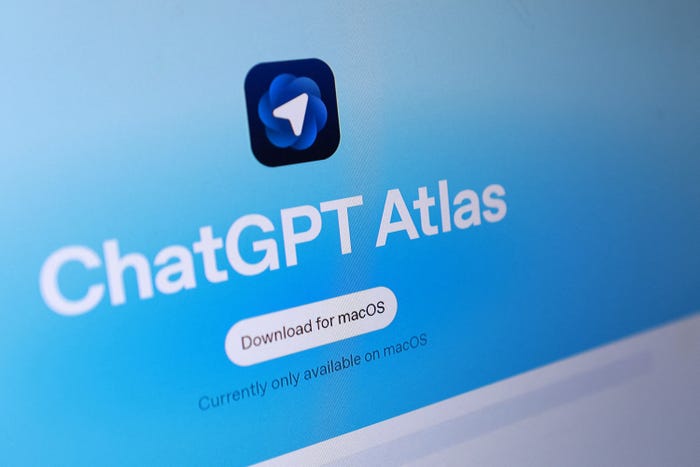
BREAKING: OpenAI has just launched Atlas, a revolutionary web browser powered by ChatGPT, challenging the dominance of Google Chrome in the browsing landscape. This announcement was made during a surprise livestream on October 24, 2023, and Atlas is now available exclusively for macOS users.
Atlas is not just another browser; it integrates advanced AI capabilities, enabling a new level of personalized web interaction. OpenAI’s CEO, Sam Altman, emphasized that the future of browsing “looks more like a conversation,” hinting at a significant shift in how users engage with the internet.
What makes Atlas stand out? The browser includes a unique “agent mode” that can perform tasks such as booking appointments and managing online shopping. For instance, during the demo, Atlas successfully analyzed a recipe and filled a grocery cart on Instacart using past browsing data. This feature is designed to enhance user convenience, allowing for more efficient online interactions.
Currently, Atlas is accessible only to Mac users, and the “agent mode” is limited to Plus, Pro, and Business subscribers. Interested users can download Atlas, drag it into their Applications folder, and sign in with their ChatGPT account to get started. The setup process includes options to import data from other browsers, grant keychain access, and enable “browser memories.”
The “browser memories” feature is a game-changer, allowing Atlas to retain information about previously visited sites. This enables the AI to tailor search results and suggestions based on user history, marking a significant shift from traditional browsing experiences. Users can type queries into a chat interface, similar to ChatGPT, and receive personalized responses.
As the AI browser race heats up, competitors like Google and Microsoft are also integrating AI into their platforms. Following the launch of Atlas, Alphabet’s shares fell by more than 2.2%, signaling potential concern among investors about the competition. While ChatGPT boasts over 800 million users, it still lags behind Google Chrome’s staggering 3 billion user base. If Atlas attracts a substantial number of users, it could significantly impact Google’s advertising revenue.
However, with innovation comes risk. Pranav Vishnu, OpenAI’s product lead, addressed privacy concerns during the livestream, assuring users that the AI agent operates within browser tabs only and cannot access files on their computers. Users can also log out of the ChatGPT agent for added security.
As Atlas rolls out, the industry will be watching closely to see how it disrupts the traditional browsing model and what this means for user privacy. Experts suggest that while the integration of AI into browsers offers exciting new capabilities, it also raises important questions about data security and user control.
Stay tuned for further updates on Atlas and its impact on the browsing landscape. This is just the beginning of what could be a new era in web surfing.

Im Si Wan’s New Photos Spark Heated Debate Online

Cyber Monday 2025: Top Amazon Deals to Snag Now

Stars of The Summer I Turned Pretty Share Surprise Kiss at Knicks Game

Global Medical REIT Outperforms Orion Office REIT in Key Metrics

Enhance Workplace Bonds with Thoughtful Gift-Giving Strategies

Urgent Guide: Finding Perfect Gifts for Coworkers This Holiday Season

Public Reactions to Epstein Scandal, Political Hypocrisy, and Playwright’s Legacy

SoftBank and Yaskawa Collaborate to Launch Advanced Office Robots

Dallas Pension Board Rejects City’s Final Offer Amid Crisis

Urgent Update: Tom Aspinall’s Vision Deteriorates After UFC 321

MIT Scientists Uncover Surprising Genomic Loops During Cell Division

University of Hawaiʻi Joins $25.6M AI Project to Enhance Disaster Monitoring

AI Disruption: AWS Faces Threat as Startups Shift Cloud Focus

Time Crystals Revolutionize Quantum Computing Potential

Honeywell Forecasts Record Business Jet Deliveries Over Next Decade

Discover the Full Map of Pokémon Legends: Z-A’s Lumiose City

GOP Faces Backlash as Protests Surge Against Trump Policies

Parenthood Set to Depart Hulu: What Fans Need to Know
-
 Top Stories1 month ago
Urgent Update: Tom Aspinall’s Vision Deteriorates After UFC 321
-
 Health1 month ago
MIT Scientists Uncover Surprising Genomic Loops During Cell Division
-
Science4 weeks ago
University of Hawaiʻi Joins $25.6M AI Project to Enhance Disaster Monitoring
-
 Top Stories1 month ago
AI Disruption: AWS Faces Threat as Startups Shift Cloud Focus
-
 Science2 months ago
Time Crystals Revolutionize Quantum Computing Potential
-
 World2 months ago
Honeywell Forecasts Record Business Jet Deliveries Over Next Decade
-
 Entertainment1 month ago
Discover the Full Map of Pokémon Legends: Z-A’s Lumiose City
-
 Top Stories2 months ago
GOP Faces Backlash as Protests Surge Against Trump Policies
-
 Entertainment2 months ago
Parenthood Set to Depart Hulu: What Fans Need to Know
-

 Politics2 months ago
Judge Signals Dismissal of Chelsea Housing Case Citing AI Flaws
-

 Sports2 months ago
Yoshinobu Yamamoto Shines in Game 2, Leading Dodgers to Victory
-

 Health2 months ago
Maine Insurers Cut Medicare Advantage Plans Amid Cost Pressures