
Top Stories
U.S. Military Escalates Pressure on Venezuela with B-52 Strikes

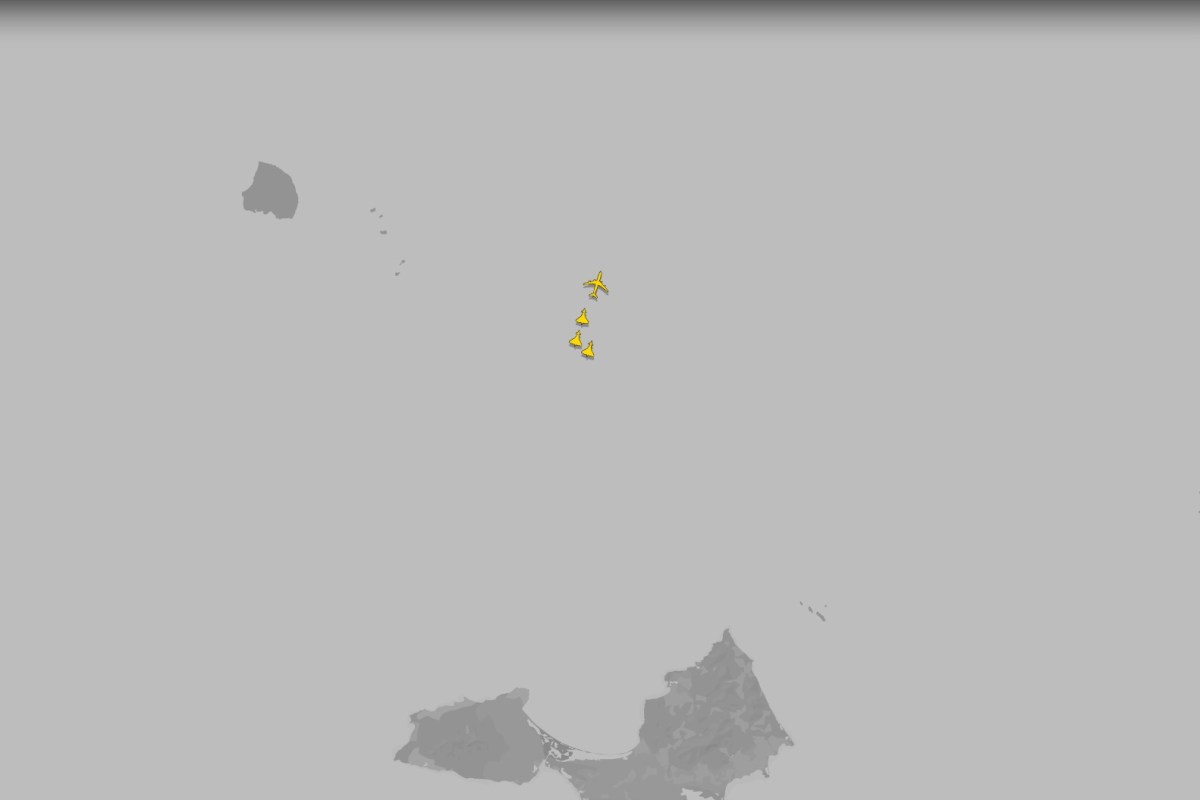
URGENT UPDATE: A U.S. B-52 bomber conducted a high-profile flight over the Caribbean Sea, passing dangerously close to Venezuela on October 23, 2023. This operation is part of a significant increase in U.S. military activities targeting Venezuelan President Nicolás Maduro‘s government amid escalating tensions in the region.
Recent reports confirm that the long-range Stratofortress was escorted by F/A-18 Super Hornets, marking its second mission in just five days. This surge in military presence signals a shift from a U.S. crackdown on drug trafficking to a broader strategy aimed at destabilizing the Venezuelan regime. The U.S. has ramped up its military footprint in the southern Caribbean, raising concerns over potential intervention.
Why does this matter RIGHT NOW? The U.S. has officially designated the Cartel de los Soles, an alleged network tied to high-ranking Venezuelan officials, as a terrorist organization. This designation, which took effect on Monday, October 23, amplifies military options available to U.S. forces and intensifies pressure on Venezuela’s government.
As part of Operation Southern Spear, the U.S. is now actively monitoring drug trafficking routes near Venezuela. Military aircraft, including two B-52H bombers and a Lockheed Martin C-130J-30, were among the most tracked flights on Monday night, all heading south over the Americas, according to Flightradar24.
In a recent interview, Secretary of Defense Pete Hegseth asserted that U.S. capabilities to strike land and sea targets remain unmatched. He warned drug traffickers, stating, “Don’t get in a boat because it’s going to end poorly for you.” Hegseth emphasized that the new terror designation equips the Pentagon with additional tools to act decisively in the region.
“Our options in SOUTHCOM are to get the cartel madness under control, to control our backyard,” Hegseth declared, indicating that the U.S. is prepared to use long-range pressure tactics similar to those employed against extremist groups abroad.
Venezuelan Foreign Minister Yan Gil responded to these developments, characterizing the U.S. actions as a “ridiculous scheme” aimed at justifying unlawful intervention in Venezuela. He condemned the policy of aggression, arguing it does not contribute to genuine efforts against drug trafficking and harms Caribbean nations.
What happens next is crucial: Hegseth did not disclose whether military strikes against land targets inside Venezuela are being planned, but the situation is fluid. The U.S. continues to hold daily strategy meetings to evaluate options that would align with national interests.
As tensions rise, the international community watches closely. The implications of this military escalation could reverberate beyond the Caribbean, potentially impacting regional stability and U.S.-Latin America relations. Stay tuned for further updates as this developing story unfolds.

ECB’s de Guindos Confirms Interest Rates Will Remain Steady

Zacks Research Lowers Earnings Forecast for Avanos Medical

“All’s Fair Season 1 Episode 7 Arrives December 2 on Hulu”

Rolette Record Transitions Ownership to Cando Editors in 1929 Sale

Bregman Seeks Debate Stage with Haaland in Gubernatorial Race

University of Arizona Research Reveals Key to Preventing Fibrosis

Rolette Record Sold to Cando Owners, New Era Begins

Urgent Fire Erupts at Indigo Apartments in NW OKC, Residents Fearful

Arlene Hartman, Beloved Community Figure, Passes Away at 87

Urgent Update: Tom Aspinall’s Vision Deteriorates After UFC 321

MIT Scientists Uncover Surprising Genomic Loops During Cell Division

University of Hawaiʻi Joins $25.6M AI Project to Enhance Disaster Monitoring

AI Disruption: AWS Faces Threat as Startups Shift Cloud Focus

Time Crystals Revolutionize Quantum Computing Potential

Honeywell Forecasts Record Business Jet Deliveries Over Next Decade

Discover the Full Map of Pokémon Legends: Z-A’s Lumiose City

GOP Faces Backlash as Protests Surge Against Trump Policies

Parenthood Set to Depart Hulu: What Fans Need to Know
-
 Top Stories1 month ago
Urgent Update: Tom Aspinall’s Vision Deteriorates After UFC 321
-
 Health1 month ago
MIT Scientists Uncover Surprising Genomic Loops During Cell Division
-
Science4 weeks ago
University of Hawaiʻi Joins $25.6M AI Project to Enhance Disaster Monitoring
-
 Top Stories1 month ago
AI Disruption: AWS Faces Threat as Startups Shift Cloud Focus
-
 Science2 months ago
Time Crystals Revolutionize Quantum Computing Potential
-
 World2 months ago
Honeywell Forecasts Record Business Jet Deliveries Over Next Decade
-
 Entertainment1 month ago
Discover the Full Map of Pokémon Legends: Z-A’s Lumiose City
-
 Top Stories2 months ago
GOP Faces Backlash as Protests Surge Against Trump Policies
-
 Entertainment2 months ago
Parenthood Set to Depart Hulu: What Fans Need to Know
-

 Politics2 months ago
Judge Signals Dismissal of Chelsea Housing Case Citing AI Flaws
-

 Sports2 months ago
Yoshinobu Yamamoto Shines in Game 2, Leading Dodgers to Victory
-

 Health2 months ago
Maine Insurers Cut Medicare Advantage Plans Amid Cost Pressures