
Top Stories
UNESCO Honors Italian Cuisine, Recognizing Cultural Rituals

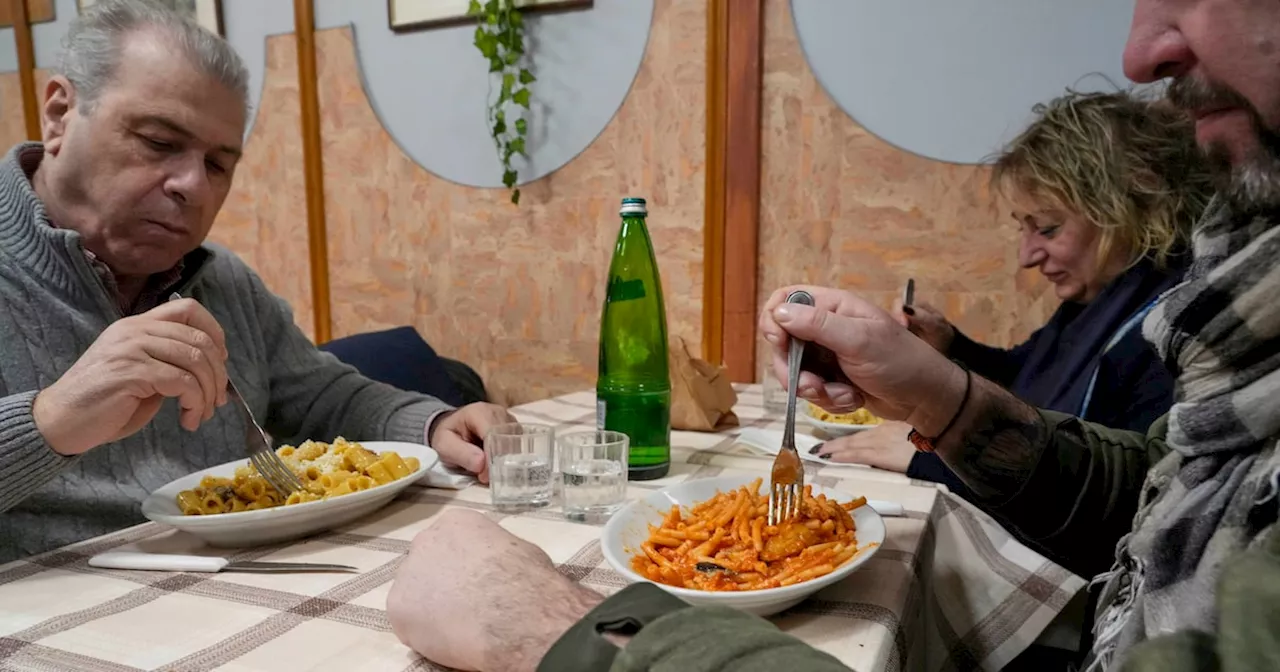
UPDATE: In a groundbreaking decision, UNESCO has officially recognized the rituals of Italian cooking and dining as part of the world’s “intangible” cultural heritage. This announcement was made today during the annual meeting held in New Delhi, highlighting the profound cultural significance Italians place on shared meals, family traditions, and culinary practices.
The UN’s cultural agency emphasized the importance of rituals like the cherished Sunday family lunch and the time-honored tradition of grandmothers teaching grandchildren the art of cooking. “Cooking is a gesture of love, a way in which we tell something about ourselves to others and how we take care of others,” said Pier Luigi Petrillo, a key figure in the Italian UNESCO campaign.
This recognition is not just about food; it’s a celebration of Italy’s rich cultural tapestry. From the heart of Rome, where pasta maker Francesco Lenzi shared his pride, “For me, Italian cuisine is the best, top of the range. Number one,” he stated. Lenzi attributes his culinary passion to his grandmother, who lovingly prepared traditional dishes in their coastal village home.
UNESCO’s listing is a monumental moment for food lovers, further solidifying Italy’s global culinary influence, including iconic dishes like pizza and tiramisu. While specific recipes were not highlighted, the focus on the cultural practices surrounding food preparation and consumption is a significant step for Italy, which is already home to 13 other items on the UNESCO intangible heritage list.
The agency also recognized the sustainability and biocultural diversity of Italian cuisine, emphasizing its reliance on fresh, seasonal ingredients and the importance of minimizing waste. This year, UNESCO considered 53 nominations for its representative list, which now includes a total of 788 items from around the globe.
This recognition follows Italy’s previous honors, including the inclusion of the Mediterranean Diet in 2010 and the recognition of Neapolitan pizza in 2017. The impact of these listings has been profound, with an increase of over 400% in accredited schools for pizza making since the last recognition.
As Italy celebrates this prestigious acknowledgment, tourists and locals alike are reminded of the unique Italian tradition of gathering around the table. Tourist Mirella Pozzoli expressed the sentiment shared by many: “Sitting at the table with family or friends is something we Italians cherish and care about deeply.”
The next steps for Italy involve leveraging this UNESCO recognition to enhance tourism and promote its culinary schools. Expect to see increased interest in Italian cuisine globally, as this designation not only honors tradition but also boosts the economy surrounding Italy’s culinary arts.
Stay tuned for more updates on how this recognition will shape Italy’s culinary landscape and influence global food culture.

Trump Addresses Nation Amid Tumbling Poll Numbers and Urgency

Model Alleges Trump Groped Her While Epstein Watched in 1993

Adirondack Park Faces Urgent Challenges Amid Population Decline

FBI Deputy Director Dan Bongino Resigns Amid Epstein Disputes

Police Officer Faces Termination Ahead of Retirement Due to Health

Brooksby Village Celebrates Staff with Over $252,000 in Funds

Federal Judge Orders ICE to Permit Congressional Visits to Migrant Facilities

Researchers Uncover Prehistoric Elephant Footprints in Murcia

Rams and Seahawks Clash for NFC West Supremacy on Thursday

Urgent Update: Tom Aspinall’s Vision Deteriorates After UFC 321

University of Hawaiʻi Joins $25.6M AI Project to Enhance Disaster Monitoring

MIT Scientists Uncover Surprising Genomic Loops During Cell Division

AI Disruption: AWS Faces Threat as Startups Shift Cloud Focus

Time Crystals Revolutionize Quantum Computing Potential

Discover the Full Map of Pokémon Legends: Z-A’s Lumiose City

Honeywell Forecasts Record Business Jet Deliveries Over Next Decade

GOP Faces Backlash as Protests Surge Against Trump Policies

Judge Signals Dismissal of Chelsea Housing Case Citing AI Flaws
-
 Top Stories2 months ago
Urgent Update: Tom Aspinall’s Vision Deteriorates After UFC 321
-
Science2 months ago
University of Hawaiʻi Joins $25.6M AI Project to Enhance Disaster Monitoring
-
 Health2 months ago
MIT Scientists Uncover Surprising Genomic Loops During Cell Division
-
 Top Stories2 months ago
AI Disruption: AWS Faces Threat as Startups Shift Cloud Focus
-
 Science2 months ago
Time Crystals Revolutionize Quantum Computing Potential
-
 Entertainment2 months ago
Discover the Full Map of Pokémon Legends: Z-A’s Lumiose City
-
 World2 months ago
Honeywell Forecasts Record Business Jet Deliveries Over Next Decade
-
 Top Stories2 months ago
GOP Faces Backlash as Protests Surge Against Trump Policies
-
 Politics2 months ago
Judge Signals Dismissal of Chelsea Housing Case Citing AI Flaws
-

 Entertainment2 months ago
Parenthood Set to Depart Hulu: What Fans Need to Know
-

 Top Stories1 month ago
Joleen Chaney, Beloved Journalist, Passes Leaving Lasting Legacy
-

 Sports2 months ago
Yoshinobu Yamamoto Shines in Game 2, Leading Dodgers to Victory