
Top Stories
Urgent: CT Universities Face $41M Loss in Federal Research Grants

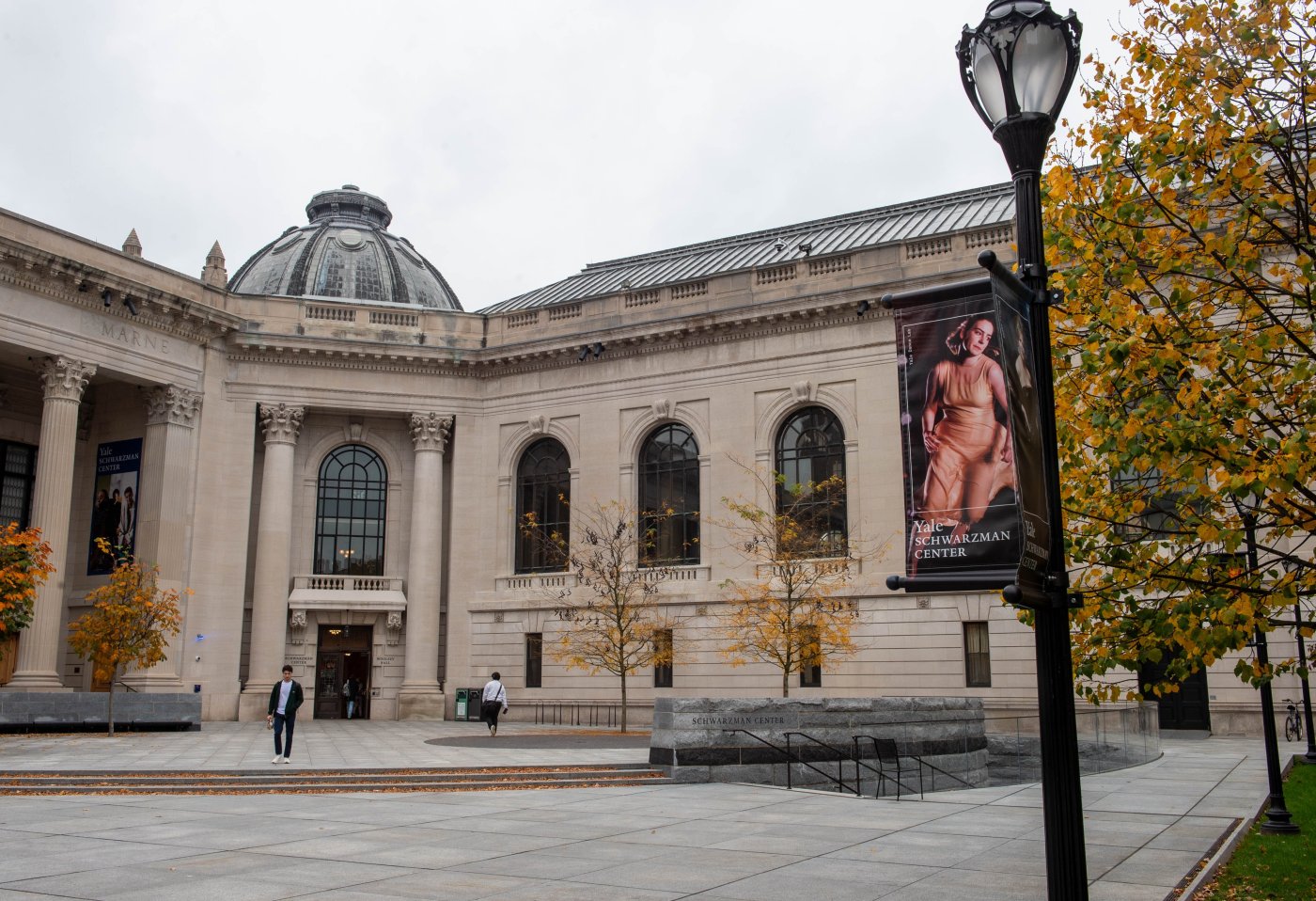
UPDATE: Connecticut universities are grappling with a staggering loss of federal research funding, totaling approximately $41 million, as critical grants are canceled or not renewed. This urgent development is impacting vital research efforts against diseases like malaria, with direct consequences for public health.
On May 1, Amy Bei, a professor of epidemiology at Yale University, received a shocking cancellation notice for a $300,000 grant from the National Institutes of Health (NIH). This grant was pivotal for her research on tracking malaria spread within communities. Bei’s struggles with federal funding cuts aren’t isolated; they reflect a broader trend affecting numerous projects across Connecticut universities.
As of mid-October, the University of Connecticut has reported a loss of $41 million in canceled grants, with Lindsay DiStefano, the interim vice president for research, noting that the university managed to allocate $1.6 million of its own funds temporarily. Meanwhile, Yale’s Michael Crair disclosed that as of August 12, 50 grants had been canceled, impacting tens of millions in research funds.
The consequences of these funding cuts extend beyond financial loss. Bei emphasized that these cancellations are delaying and jeopardizing research crucial for developing life-saving medical breakthroughs and innovations. “The loss of federal funding has delayed, halted, and put at risk research essential to advancing life-saving medical breakthroughs,” Crair stated in an urgent email.
Since the early 2000s, Bei has dedicated her career to understanding malaria, a disease that wreaks havoc in communities, particularly in regions like Senegal, where reported cases reached 1.2 million in 2023. The World Health Organization indicates that malaria continues to pose significant health risks, with challenges in vaccination and treatment due to the parasite’s evolving nature.
Despite setbacks, Bei is determined to continue her vital research. She recently secured funding from the philanthropic arm of Tito’s Handmade Vodka and internal Yale grants to pursue her NIH-funded work tracking malaria spread. However, the impact of funding losses has been profound. The planned training for local researchers in Chad, aimed at enhancing genomic surveillance of malaria, was postponed nearly a year due to funding uncertainties.
Ph.D. student Natasha Turyasingura, who hails from Uganda, expressed the personal toll of these disruptions. Her visa restrictions and project delays have hindered crucial training initiatives. Meanwhile, community outreach efforts in Chad, aimed at educating the population on vaccination benefits, face significant limitations.
In an effort to mitigate the impact of funding cuts, Bei’s team continues to explore new approaches to combat malaria. They are investigating biomarkers from mosquito saliva to improve intervention strategies and track transmission rates in asymptomatic populations. “We have areas where transmission is going under the radar,” Bei explained, highlighting the need for innovative solutions in malaria research.
Amid these challenges, the research community remains resilient. Collaboration with organizations like Institut Pasteur de Dakar is ongoing, with the aim of developing next-generation malaria vaccines that target different stages of the parasite’s life cycle. Researchers are gathering data to create a comprehensive panel that could enhance understanding of malaria spread and resilience.
As the situation evolves, the urgency for continued funding and support for malaria research is more critical than ever. The potential for groundbreaking discoveries that could save lives hangs in the balance, underscoring the importance of federal investment in scientific research.
For those invested in public health and scientific advancement, the developments surrounding Connecticut’s universities serve as a stark reminder of the challenges faced in the fight against diseases like malaria. The stakes are high, and the time for action is now.

Shark Teeth Study Reveals Urgent Clues to Prevent Extinction

Church Members Rally Together After Thanksgiving Fire Devastation

U.S. Investment in Canadian Energy Firms Surges Despite Low Oil Prices

Nick Jonas Unveils New Solo Album ‘Sunday Best’ Set for February Release

Researchers Urge Label Changes for Low-Alcohol Drinks to Aid Pregnant Women

Wedding Cookie Table Community Aims for World’s Largest Cookie Exchange

Mayor Appoints Alan Wong as New Supervisor for District 4

UK Report Reveals Growing Role of AI in University Research Assessments

Mayor Lurie Appoints Alan Wong as New District 4 Supervisor

Urgent Update: Tom Aspinall’s Vision Deteriorates After UFC 321

MIT Scientists Uncover Surprising Genomic Loops During Cell Division

University of Hawaiʻi Joins $25.6M AI Project to Enhance Disaster Monitoring

AI Disruption: AWS Faces Threat as Startups Shift Cloud Focus

Time Crystals Revolutionize Quantum Computing Potential

Honeywell Forecasts Record Business Jet Deliveries Over Next Decade

Discover the Full Map of Pokémon Legends: Z-A’s Lumiose City

GOP Faces Backlash as Protests Surge Against Trump Policies

Parenthood Set to Depart Hulu: What Fans Need to Know
-
 Top Stories1 month ago
Urgent Update: Tom Aspinall’s Vision Deteriorates After UFC 321
-
 Health1 month ago
MIT Scientists Uncover Surprising Genomic Loops During Cell Division
-
Science4 weeks ago
University of Hawaiʻi Joins $25.6M AI Project to Enhance Disaster Monitoring
-
 Top Stories1 month ago
AI Disruption: AWS Faces Threat as Startups Shift Cloud Focus
-
 Science2 months ago
Time Crystals Revolutionize Quantum Computing Potential
-
 World2 months ago
Honeywell Forecasts Record Business Jet Deliveries Over Next Decade
-
 Entertainment1 month ago
Discover the Full Map of Pokémon Legends: Z-A’s Lumiose City
-
 Top Stories2 months ago
GOP Faces Backlash as Protests Surge Against Trump Policies
-
 Entertainment2 months ago
Parenthood Set to Depart Hulu: What Fans Need to Know
-

 Politics2 months ago
Judge Signals Dismissal of Chelsea Housing Case Citing AI Flaws
-

 Sports2 months ago
Yoshinobu Yamamoto Shines in Game 2, Leading Dodgers to Victory
-

 Health2 months ago
Maine Insurers Cut Medicare Advantage Plans Amid Cost Pressures