
World
EU Targets Russian Oil Traders with Sanctions to Curb Funding

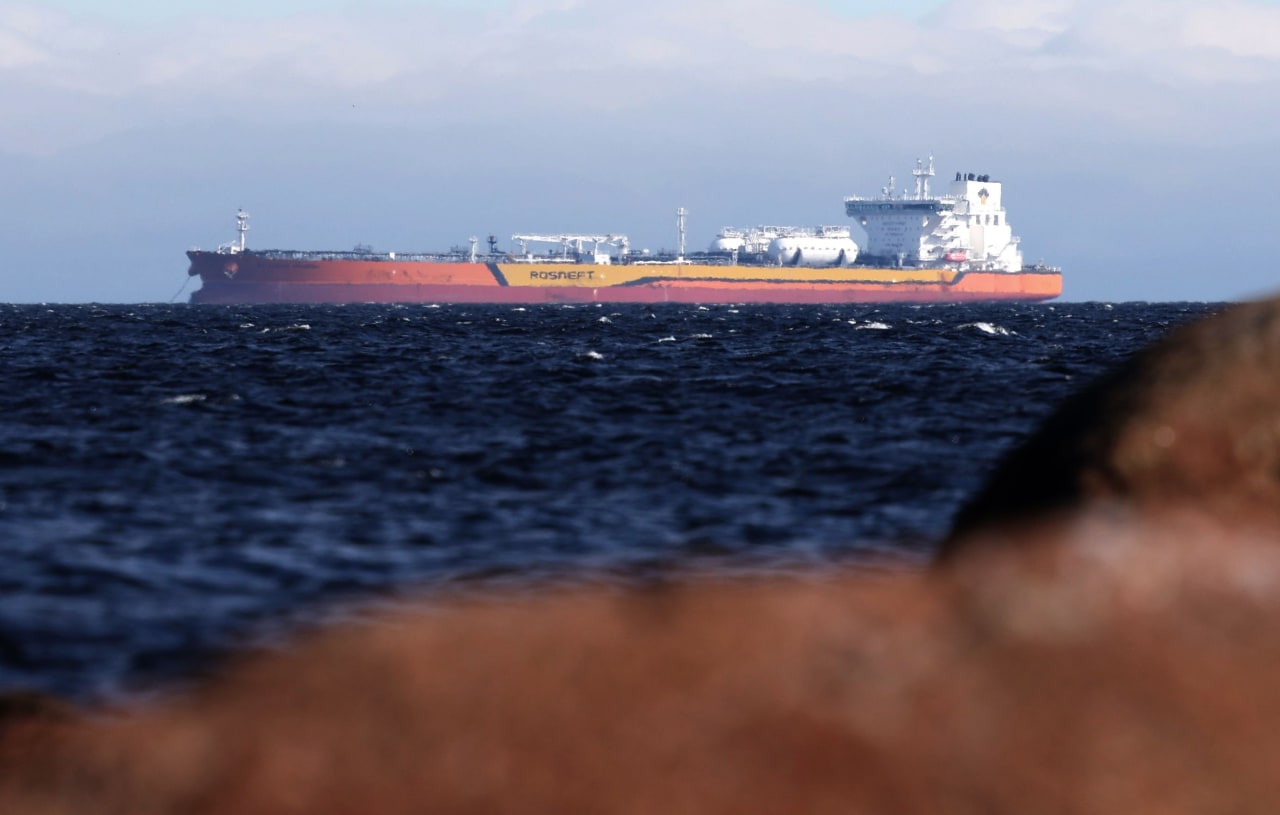
The European Union has imposed significant sanctions on two prominent actors in the Russian oil trade. This move, announced on February 15, 2024, targets key figures who have allegedly facilitated the clandestine oil market that has financially supported Moscow’s ongoing military efforts in Ukraine.
These sanctions are part of a broader strategy by the EU to exert pressure on Russia in response to its invasion of Ukraine. The two traders, whose identities have not been disclosed, are said to be pivotal in managing oil transactions that bypass international regulations. Their operations reportedly generate substantial revenue, contributing to the funding of military activities.
The EU’s decision comes amid increasing scrutiny of the oil sector’s role in financing Russia’s war. According to a report by the EU Commission, the clandestine market for Russian oil has continued to thrive despite previous sanctions, underscoring the need for more stringent measures. The report highlights that last year, Russian oil revenues reached approximately $100 billion, even with existing sanctions in place.
Impact on the Global Oil Market
The sanctions are expected to have a ripple effect on the global oil market. Analysts predict that restricting these key traders will disrupt the flow of Russian oil, which has already been facing challenges due to previous embargoes. The EU’s measures aim to reduce Russia’s oil exports, further isolating the country economically.
In addition to the immediate financial implications, these sanctions may also affect global oil prices. As countries seek alternative sources to replace Russian oil, fluctuations in prices could occur. According to energy analysts, the global market is already reacting, with prices for Brent crude rising by 5% in response to the announcement.
International Reactions and Future Outlook
Reactions to the EU’s sanctions have been mixed among international stakeholders. While many Western nations support the measures as necessary steps towards holding Russia accountable, some countries remain cautious about the broader economic impacts. Nations reliant on Russian oil are monitoring the situation closely, weighing the need for energy security against the geopolitical landscape.
Moving forward, the effectiveness of these sanctions will largely depend on enforcement and the cooperation of other nations. The EU has indicated that it will continue to monitor the situation and adjust its strategies as necessary. The targeted traders represent a crucial link in the supply chain that fuels the conflict, making their removal from the market a strategic objective for the EU.
As the situation develops, the focus will remain on the impact of these sanctions both within Russia and on the global stage. The EU’s efforts illustrate a continued commitment to applying economic pressure while navigating the complexities of energy dependence among member states.

California Hires Ex-CDC Leaders for Urgent Public Health Initiative

Dolphins Clash with Steelers on Monday Night Football Showdown

Argentina’s Central Bank Adjusts Currency Band to Strengthen Peso

Contango Ore Merges with Dolly Varden Silver to Expand Alaskan Ventures

Rob Reiner: A Legendary Career in Comedy and Film Comes to a Close

Pediatrician Offers Guidance on Bringing Sick Kids to Parties

1,435 Couples Set New Record with Simultaneous Kiss in DC

Urgent: One Stabbed in North Beach Fight, Two Arrested Today

Avatar: Fire and Ash Premiere Canceled After Bondi Shooting

Urgent Update: Tom Aspinall’s Vision Deteriorates After UFC 321

University of Hawaiʻi Joins $25.6M AI Project to Enhance Disaster Monitoring

MIT Scientists Uncover Surprising Genomic Loops During Cell Division

AI Disruption: AWS Faces Threat as Startups Shift Cloud Focus

Time Crystals Revolutionize Quantum Computing Potential

Discover the Full Map of Pokémon Legends: Z-A’s Lumiose City

Honeywell Forecasts Record Business Jet Deliveries Over Next Decade

GOP Faces Backlash as Protests Surge Against Trump Policies

Judge Signals Dismissal of Chelsea Housing Case Citing AI Flaws
-
 Top Stories2 months ago
Urgent Update: Tom Aspinall’s Vision Deteriorates After UFC 321
-
Science1 month ago
University of Hawaiʻi Joins $25.6M AI Project to Enhance Disaster Monitoring
-
 Health2 months ago
MIT Scientists Uncover Surprising Genomic Loops During Cell Division
-
 Top Stories2 months ago
AI Disruption: AWS Faces Threat as Startups Shift Cloud Focus
-
 Science2 months ago
Time Crystals Revolutionize Quantum Computing Potential
-
 Entertainment2 months ago
Discover the Full Map of Pokémon Legends: Z-A’s Lumiose City
-
 World2 months ago
Honeywell Forecasts Record Business Jet Deliveries Over Next Decade
-
 Top Stories2 months ago
GOP Faces Backlash as Protests Surge Against Trump Policies
-
 Politics2 months ago
Judge Signals Dismissal of Chelsea Housing Case Citing AI Flaws
-

 Entertainment2 months ago
Parenthood Set to Depart Hulu: What Fans Need to Know
-

 Sports2 months ago
Yoshinobu Yamamoto Shines in Game 2, Leading Dodgers to Victory
-

 Health2 months ago
Maine Insurers Cut Medicare Advantage Plans Amid Cost Pressures