
World
Lufthansa Reports 5.4 Million US Passengers in 2025 Surge

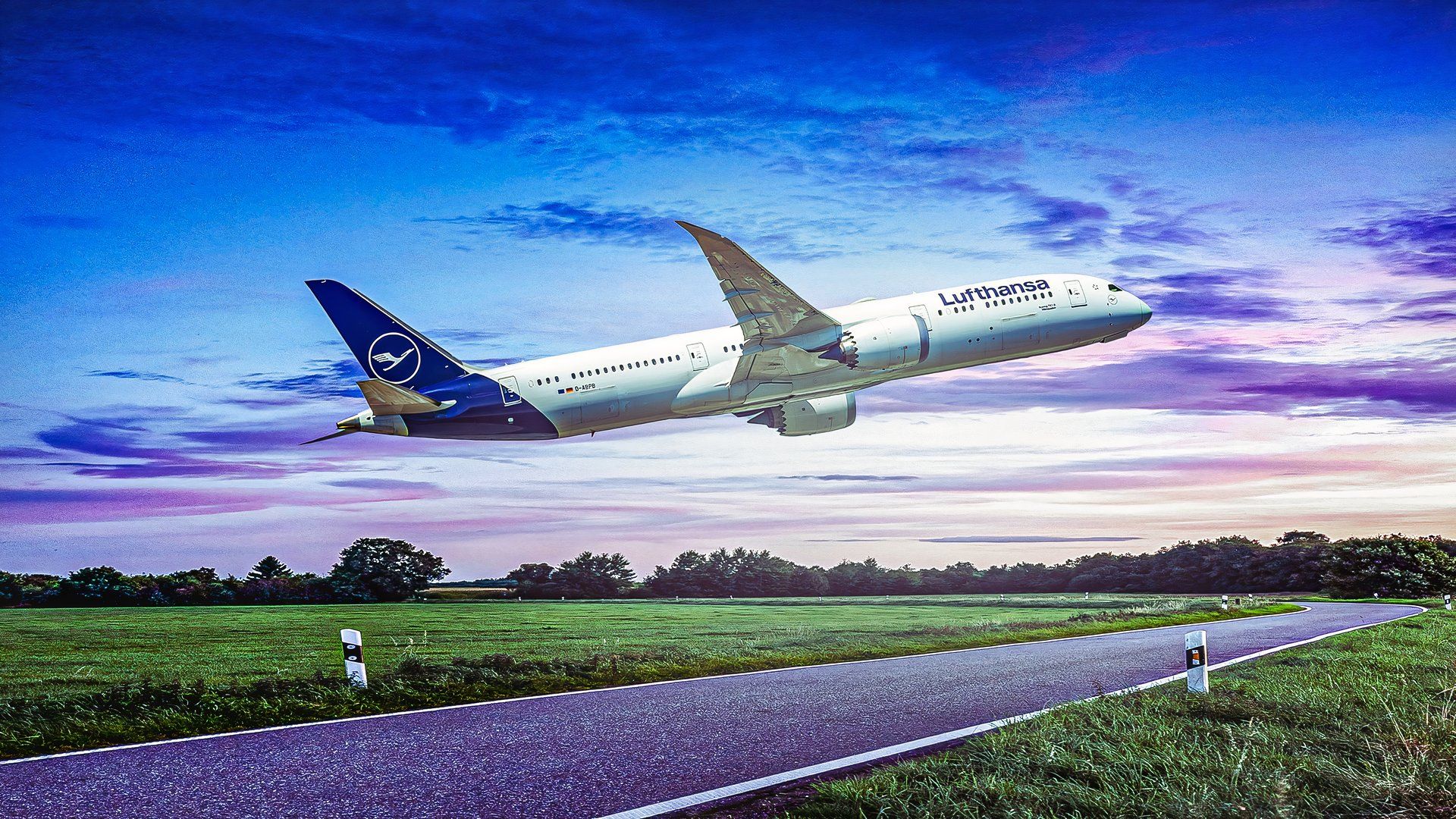
Lufthansa has emerged as the fifth-largest airline operator between Europe and the United States, transporting approximately 5.4 million round-trip passengers in the year leading up to July 2025. This figure, as reported by the US Department of Transportation, places Lufthansa behind only Delta Air Lines, United Airlines, American Airlines, and British Airways. Compared to the previous year, the airline’s US traffic saw a commendable increase of 6%.
The increase in passenger numbers can be attributed to the launch of new routes, namely from Munich to Seattle and Frankfurt to Raleigh/Durham. However, it is noteworthy that the Frankfurt-Minneapolis route has transitioned to Lufthansa’s leisure-focused unit, Discover Airlines. Despite being the fifth-largest carrier, Lufthansa’s growth rate outpaced the general increase in transatlantic traffic, which has been described as sluggish.
Passenger Trends and Load Factors
Lufthansa’s performance was particularly remarkable in July 2025, with the airline carrying 585,000 round-trip passengers, a significant rise from just 255,000 in February 2025, typically one of the weakest months for airlines. Over the examined period, the airline achieved an average seat load factor of 83%, which is notably higher than the 81% recorded by United Airlines, the only major competitor with a lower load factor.
The load factors exhibited considerable monthly variation, fluctuating from a low of 71% in February to a peak of 90% in July. Despite the reduction in capacity during February, the figures suggest that the airline faced challenges in boosting passenger numbers during this traditionally slow period. Meanwhile, the load factor improved from 67% in February 2024, although the effects on revenue remain uncertain.
Top US Routes and Market Insights
In the analysis of Lufthansa’s traffic, it becomes evident that of the 5.4 million US passengers, approximately 3.3 million traveled to or from Frankfurt, while around 2.1 million utilized Munich services. The airline operates a total of 30 routes, with 18 departing from Frankfurt and 12 from Munich. The most popular route, with 327,000 passengers, connects Frankfurt to Chicago O’Hare.
Booking trends reveal that only 12% of passengers on the Frankfurt-Chicago route were local travelers, indicating that most were connecting to or from other destinations. Approximately 31% transferred to another service in both Chicago and Frankfurt, while the majority, 47%, began or ended their journey in Chicago.
The following routes ranked among the top for passenger traffic from August 2024 to July 2025:
– Frankfurt-Chicago O’Hare: 327,000 passengers, 87% load factor
– Frankfurt-New York JFK: 317,000 passengers, 83% load factor
– Munich-Los Angeles: 272,000 passengers, 80% load factor
– Frankfurt-Washington Dulles: 270,000 passengers, 84% load factor
– Frankfurt-Los Angeles: 270,000 passengers, 89% load factor
Additionally, Lufthansa’s recent introduction of the A380 superjumbo on the Munich-Denver route marked a significant milestone, being the first time this aircraft type operated scheduled services to Colorado. However, the transition from the A350 to the A380 increased available seats by 74%, which led to a decrease in load factors, falling to 74% during the peak season from May to July 2025.
Despite the challenges in maintaining load factors, the overall traffic surged by 40% year-on-year. The airline appears optimistic about the performance of the A380, which is set to return to Denver in 2026, signaling confidence in the route’s viability.
In conclusion, Lufthansa’s strong performance in the US market reflects its strategic route expansions and capacity management, positioning the airline favorably as it navigates post-pandemic recovery challenges.

Urgent: Vehicle Fire Closes Two Lanes on I-215 in Salt Lake City

Knicks Dominate Raptors 116-94, Extend Home Winning Streak

Hallmark’s ‘Christmas at the Catnip Café’ Premieres Tonight

Woman Arrested for Threatening U-Haul Worker with Baton

Japan’s PM Takaichi Vows Urgent Fiscal Management Amid Rate Trends

Bitcoin Plummets Below $88K Amid Tether Concerns and Warnings

Tottenville Falls Short in PSAL 4A Title Game Against Erasmus

Shark Teeth Study Reveals Urgent Clues to Prevent Extinction

Church Members Rally Together After Thanksgiving Fire Devastation

Urgent Update: Tom Aspinall’s Vision Deteriorates After UFC 321

MIT Scientists Uncover Surprising Genomic Loops During Cell Division

University of Hawaiʻi Joins $25.6M AI Project to Enhance Disaster Monitoring

AI Disruption: AWS Faces Threat as Startups Shift Cloud Focus

Time Crystals Revolutionize Quantum Computing Potential

Honeywell Forecasts Record Business Jet Deliveries Over Next Decade

Discover the Full Map of Pokémon Legends: Z-A’s Lumiose City

Parenthood Set to Depart Hulu: What Fans Need to Know

GOP Faces Backlash as Protests Surge Against Trump Policies
-
 Top Stories1 month ago
Urgent Update: Tom Aspinall’s Vision Deteriorates After UFC 321
-
 Health1 month ago
MIT Scientists Uncover Surprising Genomic Loops During Cell Division
-
Science4 weeks ago
University of Hawaiʻi Joins $25.6M AI Project to Enhance Disaster Monitoring
-
 Top Stories1 month ago
AI Disruption: AWS Faces Threat as Startups Shift Cloud Focus
-
 Science2 months ago
Time Crystals Revolutionize Quantum Computing Potential
-
 World2 months ago
Honeywell Forecasts Record Business Jet Deliveries Over Next Decade
-
 Entertainment1 month ago
Discover the Full Map of Pokémon Legends: Z-A’s Lumiose City
-
 Entertainment2 months ago
Parenthood Set to Depart Hulu: What Fans Need to Know
-
 Top Stories2 months ago
GOP Faces Backlash as Protests Surge Against Trump Policies
-

 Politics2 months ago
Judge Signals Dismissal of Chelsea Housing Case Citing AI Flaws
-

 Sports2 months ago
Yoshinobu Yamamoto Shines in Game 2, Leading Dodgers to Victory
-

 Health2 months ago
Maine Insurers Cut Medicare Advantage Plans Amid Cost Pressures