
World
Mexico’s President Faces Rising Homicide Rates and Urgent Action Needed

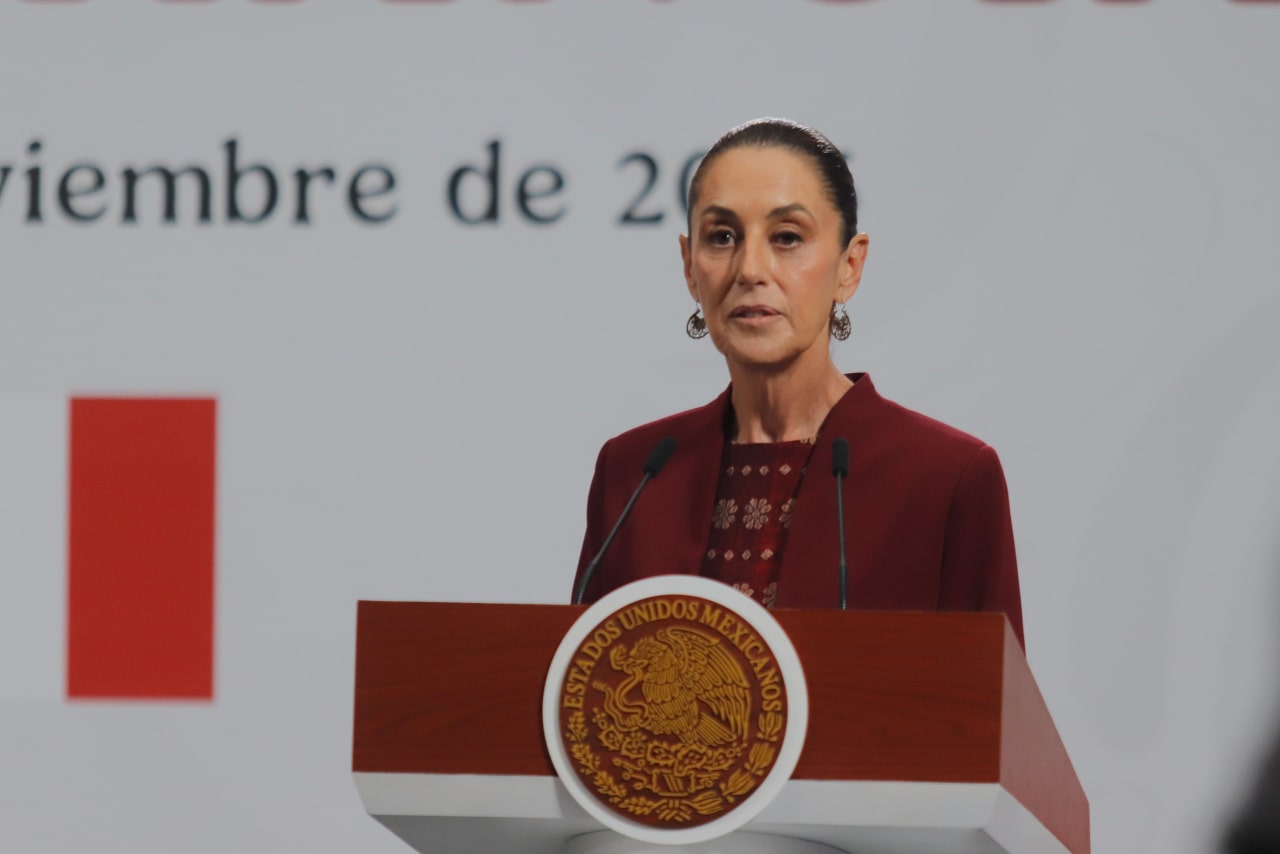
The escalating violence in Mexico has reached a critical point, with the country reporting over 33,000 homicides in 2023 alone. President Andrés Manuel López Obrador is confronted with a persistent challenge in curbing this alarming trend. As the nation grapples with its murder crisis, comparisons have emerged with Colombia’s former president, Álvaro Uribe, who successfully implemented strategies to combat violence in his country.
López Obrador’s administration has faced scrutiny regarding its approach to public security. Critics argue that the government’s strategy, which has included deploying the National Guard to various regions, lacks effectiveness in directly addressing the root causes of violence. While the president has touted a reduction in certain crime rates, the overall homicide figures tell a different story, indicating that the murder problem remains deeply entrenched.
Lessons from Colombia’s Experience
Colombia’s experience under Uribe’s leadership offers valuable lessons for Mexico. Uribe’s aggressive tactics, which included military intervention against drug cartels and armed groups, significantly reduced homicide rates during his presidency from 2002 to 2010. His administration focused on dismantling the infrastructure of organized crime, which included targeting high-profile leaders of drug trafficking organizations.
In contrast, López Obrador has opted for a policy known as “abrazos, no balazos,” or “hugs, not bullets.” This approach emphasizes social programs and preventive measures rather than military solutions. While aiming to address the social determinants of violence, such as poverty and inequality, the current administration has struggled to achieve tangible results in reducing the murder rate.
The disparity in strategies raises questions about the effectiveness of López Obrador’s policies. Critics argue that without a clear and decisive response to organized crime, the cycle of violence will continue unabated. The inability to control cartel activity has led to a climate of fear in many regions, affecting daily life for citizens and undermining trust in the government.
The Impact on Society and Governance
The repercussions of rising violence extend beyond mere statistics. Communities across Mexico are experiencing profound social disruption, heightened anxiety, and a decline in quality of life. The security situation has also affected governance, with local leaders and law enforcement feeling overwhelmed by the challenges posed by criminal organizations.
According to recent reports, some regions have become virtually ungovernable, with the influence of drug cartels permeating local institutions. Citizens often find themselves caught in the crossfire of turf wars between rival gangs, leading to tragic losses and displacing families from their homes.
As Mexico’s president faces mounting pressure to address the homicide crisis, the lessons learned from Colombia’s past present a compelling case for reevaluation of current security policies. The question remains whether López Obrador will adapt his approach to incorporate more robust measures against organized crime while continuing to pursue social initiatives aimed at long-term solutions.
In conclusion, the urgency of addressing Mexico’s murder problem cannot be overstated. With a rising tide of violence threatening the safety and stability of the nation, the president must take decisive action to confront this issue head-on. Balancing immediate security needs with comprehensive social reforms will be crucial for any meaningful progress in restoring peace and security across Mexico.

Urgent: Vehicle Fire Closes Two Lanes on I-215 in Salt Lake City

Knicks Dominate Raptors 116-94, Extend Home Winning Streak

Hallmark’s ‘Christmas at the Catnip Café’ Premieres Tonight

Woman Arrested for Threatening U-Haul Worker with Baton

Japan’s PM Takaichi Vows Urgent Fiscal Management Amid Rate Trends

Bitcoin Plummets Below $88K Amid Tether Concerns and Warnings

Tottenville Falls Short in PSAL 4A Title Game Against Erasmus

Shark Teeth Study Reveals Urgent Clues to Prevent Extinction

Church Members Rally Together After Thanksgiving Fire Devastation

Urgent Update: Tom Aspinall’s Vision Deteriorates After UFC 321

MIT Scientists Uncover Surprising Genomic Loops During Cell Division

University of Hawaiʻi Joins $25.6M AI Project to Enhance Disaster Monitoring

AI Disruption: AWS Faces Threat as Startups Shift Cloud Focus

Time Crystals Revolutionize Quantum Computing Potential

Honeywell Forecasts Record Business Jet Deliveries Over Next Decade

Discover the Full Map of Pokémon Legends: Z-A’s Lumiose City

GOP Faces Backlash as Protests Surge Against Trump Policies

Parenthood Set to Depart Hulu: What Fans Need to Know
-
 Top Stories1 month ago
Urgent Update: Tom Aspinall’s Vision Deteriorates After UFC 321
-
 Health1 month ago
MIT Scientists Uncover Surprising Genomic Loops During Cell Division
-
Science4 weeks ago
University of Hawaiʻi Joins $25.6M AI Project to Enhance Disaster Monitoring
-
 Top Stories1 month ago
AI Disruption: AWS Faces Threat as Startups Shift Cloud Focus
-
 Science2 months ago
Time Crystals Revolutionize Quantum Computing Potential
-
 World2 months ago
Honeywell Forecasts Record Business Jet Deliveries Over Next Decade
-
 Entertainment1 month ago
Discover the Full Map of Pokémon Legends: Z-A’s Lumiose City
-
 Top Stories2 months ago
GOP Faces Backlash as Protests Surge Against Trump Policies
-
 Entertainment2 months ago
Parenthood Set to Depart Hulu: What Fans Need to Know
-

 Politics2 months ago
Judge Signals Dismissal of Chelsea Housing Case Citing AI Flaws
-

 Sports2 months ago
Yoshinobu Yamamoto Shines in Game 2, Leading Dodgers to Victory
-

 Health2 months ago
Maine Insurers Cut Medicare Advantage Plans Amid Cost Pressures