
World
NTSB Blames Pilot Error in Southwest Airlines Taxiway Incident

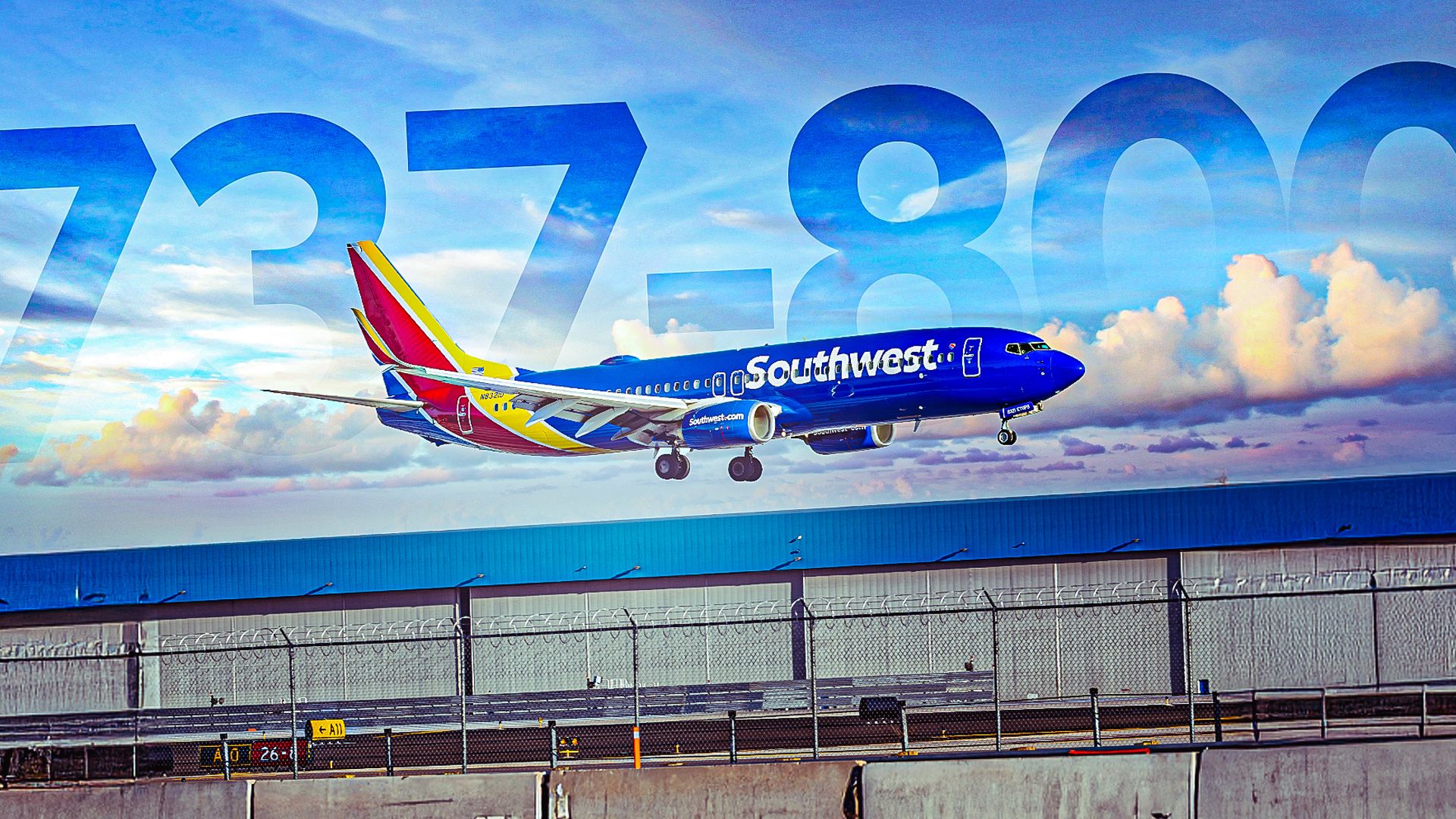
On March 20, 2025, a serious incident involving a Southwest Airlines Boeing 737-800 occurred at Orlando International Airport (MCO) when the aircraft began its takeoff roll on a taxiway rather than the designated runway. Fortunately, the takeoff was aborted in time, and the plane returned safely to the apron with all 152 passengers and six crew members unharmed. The National Transportation Safety Board (NTSB) has since concluded that the incident was primarily due to pilot error.
The aircraft, identified as N8315C, was set to depart for Albany, New York (ALB) when the aircrew mistakenly mistook the taxiway for the runway. According to reports, air traffic control noticed the aircraft’s actions and promptly canceled its takeoff clearance, prompting the pilots to abort the takeoff. The timing of this incident raised concerns, particularly during Florida’s busy spring break travel season.
The NTSB and the Federal Aviation Administration (FAA) collaborated to investigate the incident. On December 11, the agencies released a report detailing the findings, which highlighted significant lapses in the captain’s situational awareness. A critical excerpt noted that the captain failed to recognize his aircraft’s position relative to the assigned departure runway, missing several cues that could have prevented the mistaken takeoff.
Investigation Findings and Pilot Actions
During the investigation, the captain provided an account of the events leading up to the incident. After receiving takeoff clearance, the crew turned right onto taxiway H2 instead of proceeding to runway 17R. They cleared the runway and final approach before powering up the engines. Despite seeing the sign for runway 17R, the captain did not realize they were on a taxiway, attributing his oversight to a focus on centering the aircraft and completing pre-takeoff checklist items.
The captain stated that he believed he could not verify the painted numbers on the runway from the cockpit, relying instead on lighting, magnetic course indicators, and a moving map display to guide him during taxiing. This reliance on limited visual references contributed to the confusion, as the taxiway’s parallel orientation to the runway meant that the signage was misleadingly in his line of sight.
Standard Operating Procedures and Distractions
The NTSB’s investigation revealed that the captain did not adhere to Southwest Airlines’ standard operating procedures (SOP), which include several protocols for confirming an aircraft’s position before takeoff. These protocols advise using multiple references, such as aircraft heading indicators, navigation displays, runway signage, and painted runway designations to ensure the aircraft is correctly positioned.
The investigation outlined key failures on the captain’s part, which included overlooking the yellow painted centerline and the distinct differences in surface textures between the taxiway and the runway. Additionally, the first officer was reportedly distracted by the captain’s request to confirm checklist items during the turn onto the taxiway, which further contributed to the error.
This incident underscores the importance of adhering to established safety protocols in aviation, especially in high-traffic environments like Orlando International Airport. As Southwest Airlines continues to operate a unique business model focusing on affordable domestic travel, ensuring the safety of its passengers remains paramount.

LAPD’s Jaywalking Crackdown Sparks Outrage and Debate Online

Urgent Arrest: 19-Year-Old Linked to Juvenile Drug Delivery Service

Florida Gators 2026 Football Schedule Finally Unveiled – Key Dates Inside!

New Study Reveals Benefits and Risks of Plant-Based Diets in Children

Community Mourns as S. Chris “Sonny” Nicosia Passes at 86

Wilton Resources Shares Surge 29.5% in Active Trading Session

Research Unveils Secrets of Armenia’s 6,000-Year-Old Dragon Stones

NWSL Considers New Policy for Signing Players Beyond Salary Cap

NTSB Blames Pilot Error in Southwest Airlines Taxiway Incident

Urgent Update: Tom Aspinall’s Vision Deteriorates After UFC 321

University of Hawaiʻi Joins $25.6M AI Project to Enhance Disaster Monitoring

MIT Scientists Uncover Surprising Genomic Loops During Cell Division

AI Disruption: AWS Faces Threat as Startups Shift Cloud Focus

Time Crystals Revolutionize Quantum Computing Potential

Discover the Full Map of Pokémon Legends: Z-A’s Lumiose City

Parenthood Set to Depart Hulu: What Fans Need to Know

Judge Signals Dismissal of Chelsea Housing Case Citing AI Flaws

Honeywell Forecasts Record Business Jet Deliveries Over Next Decade
-
 Top Stories1 month ago
Urgent Update: Tom Aspinall’s Vision Deteriorates After UFC 321
-
Science1 month ago
University of Hawaiʻi Joins $25.6M AI Project to Enhance Disaster Monitoring
-
 Health2 months ago
MIT Scientists Uncover Surprising Genomic Loops During Cell Division
-
 Top Stories2 months ago
AI Disruption: AWS Faces Threat as Startups Shift Cloud Focus
-
 Science2 months ago
Time Crystals Revolutionize Quantum Computing Potential
-
 Entertainment2 months ago
Discover the Full Map of Pokémon Legends: Z-A’s Lumiose City
-
 Entertainment2 months ago
Parenthood Set to Depart Hulu: What Fans Need to Know
-
 Politics2 months ago
Judge Signals Dismissal of Chelsea Housing Case Citing AI Flaws
-
 World2 months ago
Honeywell Forecasts Record Business Jet Deliveries Over Next Decade
-

 Top Stories2 months ago
GOP Faces Backlash as Protests Surge Against Trump Policies
-

 Sports2 months ago
Yoshinobu Yamamoto Shines in Game 2, Leading Dodgers to Victory
-

 Health2 months ago
Maine Insurers Cut Medicare Advantage Plans Amid Cost Pressures