
World
Shapiro Allocates $220 Million to SEPTA Amid Safety Crisis

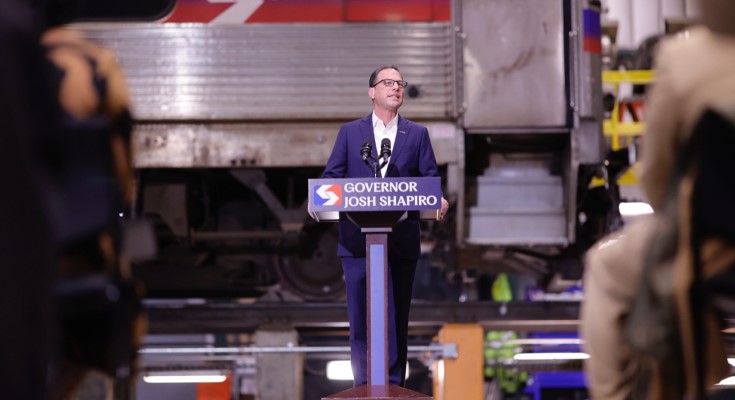
Governor Josh Shapiro has announced an emergency allocation of nearly $220 million to the Southeastern Pennsylvania Transportation Authority (SEPTA) to address a growing safety crisis. This funding aims to stabilize the transit agency as it grapples with federal safety mandates, a shortage of railcars, and deteriorating infrastructure.
During a press event at SEPTA’s Frazer Shop & Yard in Chester County on Monday, Shapiro highlighted the urgent need for safe transportation, stating, “Nearly 800,000 Pennsylvanians rely on SEPTA every single day — to get to school, to work, to medical appointments, and wherever else they need to go safely and reliably.” The funding is intended to help SEPTA complete essential repairs and meet federal safety requirements.
Federal Safety Directives Prompt Emergency Funding
The allocation of $219.9 million comes in response to a series of federal directives that mandated repairs on aging railcars and improvements to the trolley catenary network. The Federal Railroad Administration issued an emergency order to inspect and repair 223 Silverliner IV railcars following several safety incidents. Concurrently, the Federal Transit Administration required inspections across the trolley overhead wire network.
SEPTA has acted swiftly, completing necessary inspections and returning 98 railcars to service ahead of deadlines. The agency expects to have approximately 180 railcars operational by mid-December, which will allow for the resumption of full weekday Regional Rail services.
Mike Carroll, Secretary of the Pennsylvania Department of Transportation, expressed cautious optimism regarding the new funding. “These resources will help SEPTA complete essential repairs, modernize aging infrastructure, and keep riders safe. But this is a temporary fix — we need sustained, predictable mass transit funding,” he remarked.
Acknowledging the Need for Long-Term Solutions
The funding will support various upgrades throughout the SEPTA system, including enhancements to railcars, procurement of additional vehicles, and improvements to maintenance equipment. General Manager Scott Sauer noted that the funding will facilitate ongoing repair efforts and enhance the agency’s preventative maintenance strategies. “Thanks to the dedication of our employees, who have been working around the clock, we’re already returning up to five railcars to service each day,” Sauer stated.
Commissioner Marian Moskowitz, vice chair of SEPTA’s board, referred to the funding as a “lifeline” that will help maintain operations and plan for the future. State lawmakers echoed similar sentiments, emphasizing the need for long-term transit funding solutions. Senator Vincent Hughes criticized Senate Republicans for blocking proposals aimed at providing sustainable funding despite federal warnings about safety and infrastructure needs.
Representative Ed Neilson highlighted that reliable transit service is crucial for all Pennsylvanians, regardless of their urban or rural location. He praised the administration’s decision to allocate emergency funds, reinforcing the importance of a functional transit system for the entire state.
The administration has made it clear that while the new funding will allow SEPTA to fulfill immediate safety demands, a long-term solution is necessary. Shapiro has consistently proposed recurring mass transit funding in his budget plans and has urged legislative support for a dedicated funding strategy.
As Pennsylvania prepares for significant events in the coming years, including the FIFA World Cup and the MLB All-Star Game, a reliable SEPTA system will be essential for accommodating residents and visitors alike. For now, the emergency allocation of $219.9 million provides a crucial stopgap, addressing immediate safety concerns while larger questions about sustainable funding remain unresolved.

Tottenville Falls Short in PSAL 4A Title Game Against Erasmus

Shark Teeth Study Reveals Urgent Clues to Prevent Extinction

Church Members Rally Together After Thanksgiving Fire Devastation

U.S. Investment in Canadian Energy Firms Surges Despite Low Oil Prices

Nick Jonas Unveils New Solo Album ‘Sunday Best’ Set for February Release

Researchers Urge Label Changes for Low-Alcohol Drinks to Aid Pregnant Women

Wedding Cookie Table Community Aims for World’s Largest Cookie Exchange

Mayor Appoints Alan Wong as New Supervisor for District 4

UK Report Reveals Growing Role of AI in University Research Assessments

Urgent Update: Tom Aspinall’s Vision Deteriorates After UFC 321

MIT Scientists Uncover Surprising Genomic Loops During Cell Division

University of Hawaiʻi Joins $25.6M AI Project to Enhance Disaster Monitoring

AI Disruption: AWS Faces Threat as Startups Shift Cloud Focus

Time Crystals Revolutionize Quantum Computing Potential

Honeywell Forecasts Record Business Jet Deliveries Over Next Decade

Discover the Full Map of Pokémon Legends: Z-A’s Lumiose City

GOP Faces Backlash as Protests Surge Against Trump Policies

Parenthood Set to Depart Hulu: What Fans Need to Know
-
 Top Stories1 month ago
Urgent Update: Tom Aspinall’s Vision Deteriorates After UFC 321
-
 Health1 month ago
MIT Scientists Uncover Surprising Genomic Loops During Cell Division
-
Science4 weeks ago
University of Hawaiʻi Joins $25.6M AI Project to Enhance Disaster Monitoring
-
 Top Stories1 month ago
AI Disruption: AWS Faces Threat as Startups Shift Cloud Focus
-
 Science2 months ago
Time Crystals Revolutionize Quantum Computing Potential
-
 World2 months ago
Honeywell Forecasts Record Business Jet Deliveries Over Next Decade
-
 Entertainment1 month ago
Discover the Full Map of Pokémon Legends: Z-A’s Lumiose City
-
 Top Stories2 months ago
GOP Faces Backlash as Protests Surge Against Trump Policies
-
 Entertainment2 months ago
Parenthood Set to Depart Hulu: What Fans Need to Know
-

 Politics2 months ago
Judge Signals Dismissal of Chelsea Housing Case Citing AI Flaws
-

 Sports2 months ago
Yoshinobu Yamamoto Shines in Game 2, Leading Dodgers to Victory
-

 Health2 months ago
Maine Insurers Cut Medicare Advantage Plans Amid Cost Pressures