
World
Trump Announces Nuclear Submarine Tech Deal with South Korea

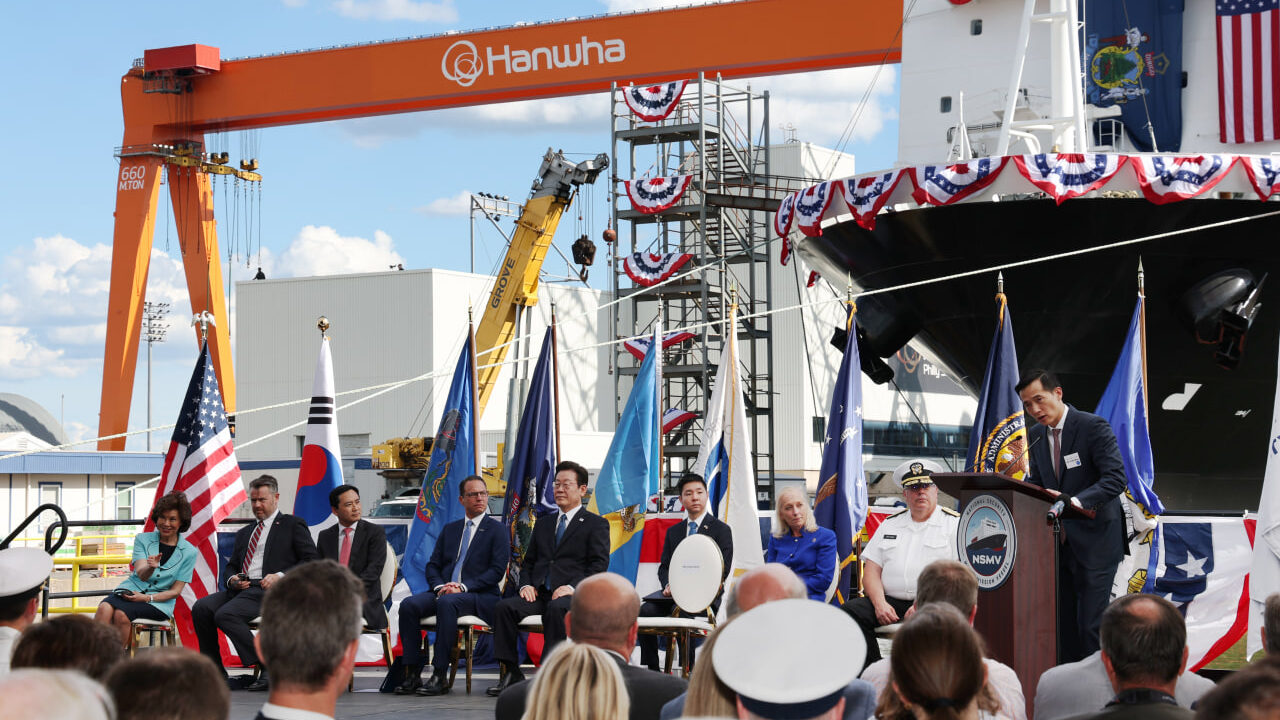
President Donald Trump announced on March 15, 2024, that the United States will share sensitive nuclear submarine propulsion technology with South Korea. This significant diplomatic move comes after the Biden administration previously declined to provide the technology to its key Indo-Pacific ally. Trump made the announcement via a social media post, stating that South Korea would construct its nuclear-powered submarines at the Philadelphia Shipyard in the United States.
In his post on Truth Social, Trump remarked, “Shipbuilding in our Country will soon be making a BIG COMEBACK.” This deal marks a pivotal moment in US-South Korea relations, particularly in the context of military collaboration. Hanwha, a South Korean defense contractor, acquired the Philadelphia Shipyard from a Norwegian investment group last year, signaling its intent to enhance business with the US Navy.
Financial Implications and Strategic Goals
In a separate statement, Trump indicated that South Korea has agreed to pay $350 billion to lower tariffs imposed by the White House. This financial arrangement underscores the growing economic ties between the two nations and highlights South Korea’s commitment to securing advanced military technology.
The nuclear propulsion technology, which is closely guarded by the United States, the United Kingdom, and Australia under the AUKUS security pact, is highly sought after. Previously, South Korea had sought access to this technology but was rebuffed by the Biden administration, which may have misinterpreted the request as an interest in developing nuclear weapons rather than acquiring fuel for submarines.
South Korean President Lee Jae Myung emphasized that possessing nuclear-powered submarines would enhance South Korea’s ability to contribute to security in the region. This aligns with the rationale that US and UK officials provided when supporting Australia’s acquisition of nuclear-powered submarines in 2021.
Challenges Ahead for Shipbuilding Initiatives
The prospect of constructing submarines in the United States raises numerous questions for the American maritime industrial sector. Historically, the Philadelphia Shipyard has focused on manufacturing commercial vessels. Under Hanwha’s ownership, there is a clear intention to pursue contracts with the US Navy, yet establishing a facility capable of building nuclear submarines will require significant time and resources.
The task of developing such capabilities is daunting, with estimates suggesting that Australia may take until the 2030s and 2040s to fully realize its submarine program. Hanwha will need to overcome substantial challenges, particularly in attracting a skilled workforce necessary for submarine construction. The US Navy has initiated a multi-year marketing campaign aimed at recruiting workers for the maritime industrial base, but it continues to struggle to meet its staffing goals amid high attrition rates.
As the dynamics of military collaboration between the United States and South Korea evolve, the implications of this deal will resonate through both nations’ defense strategies, potentially reshaping security in the Indo-Pacific region.

Hallmark’s ‘Christmas at the Catnip Café’ Premieres Tonight

Woman Arrested for Threatening U-Haul Worker with Baton

Japan’s PM Takaichi Vows Urgent Fiscal Management Amid Rate Trends

Bitcoin Plummets Below $88K Amid Tether Concerns and Warnings

Tottenville Falls Short in PSAL 4A Title Game Against Erasmus

Shark Teeth Study Reveals Urgent Clues to Prevent Extinction

Church Members Rally Together After Thanksgiving Fire Devastation

U.S. Investment in Canadian Energy Firms Surges Despite Low Oil Prices

Nick Jonas Unveils New Solo Album ‘Sunday Best’ Set for February Release

Urgent Update: Tom Aspinall’s Vision Deteriorates After UFC 321

MIT Scientists Uncover Surprising Genomic Loops During Cell Division

University of Hawaiʻi Joins $25.6M AI Project to Enhance Disaster Monitoring

AI Disruption: AWS Faces Threat as Startups Shift Cloud Focus

Time Crystals Revolutionize Quantum Computing Potential

Honeywell Forecasts Record Business Jet Deliveries Over Next Decade

Discover the Full Map of Pokémon Legends: Z-A’s Lumiose City

GOP Faces Backlash as Protests Surge Against Trump Policies

Parenthood Set to Depart Hulu: What Fans Need to Know
-
 Top Stories1 month ago
Urgent Update: Tom Aspinall’s Vision Deteriorates After UFC 321
-
 Health1 month ago
MIT Scientists Uncover Surprising Genomic Loops During Cell Division
-
Science4 weeks ago
University of Hawaiʻi Joins $25.6M AI Project to Enhance Disaster Monitoring
-
 Top Stories1 month ago
AI Disruption: AWS Faces Threat as Startups Shift Cloud Focus
-
 Science2 months ago
Time Crystals Revolutionize Quantum Computing Potential
-
 World2 months ago
Honeywell Forecasts Record Business Jet Deliveries Over Next Decade
-
 Entertainment1 month ago
Discover the Full Map of Pokémon Legends: Z-A’s Lumiose City
-
 Top Stories2 months ago
GOP Faces Backlash as Protests Surge Against Trump Policies
-
 Entertainment2 months ago
Parenthood Set to Depart Hulu: What Fans Need to Know
-

 Politics2 months ago
Judge Signals Dismissal of Chelsea Housing Case Citing AI Flaws
-

 Sports2 months ago
Yoshinobu Yamamoto Shines in Game 2, Leading Dodgers to Victory
-

 Health2 months ago
Maine Insurers Cut Medicare Advantage Plans Amid Cost Pressures