
Science
Moon Phase Update: Witness the Waning Crescent on October 18

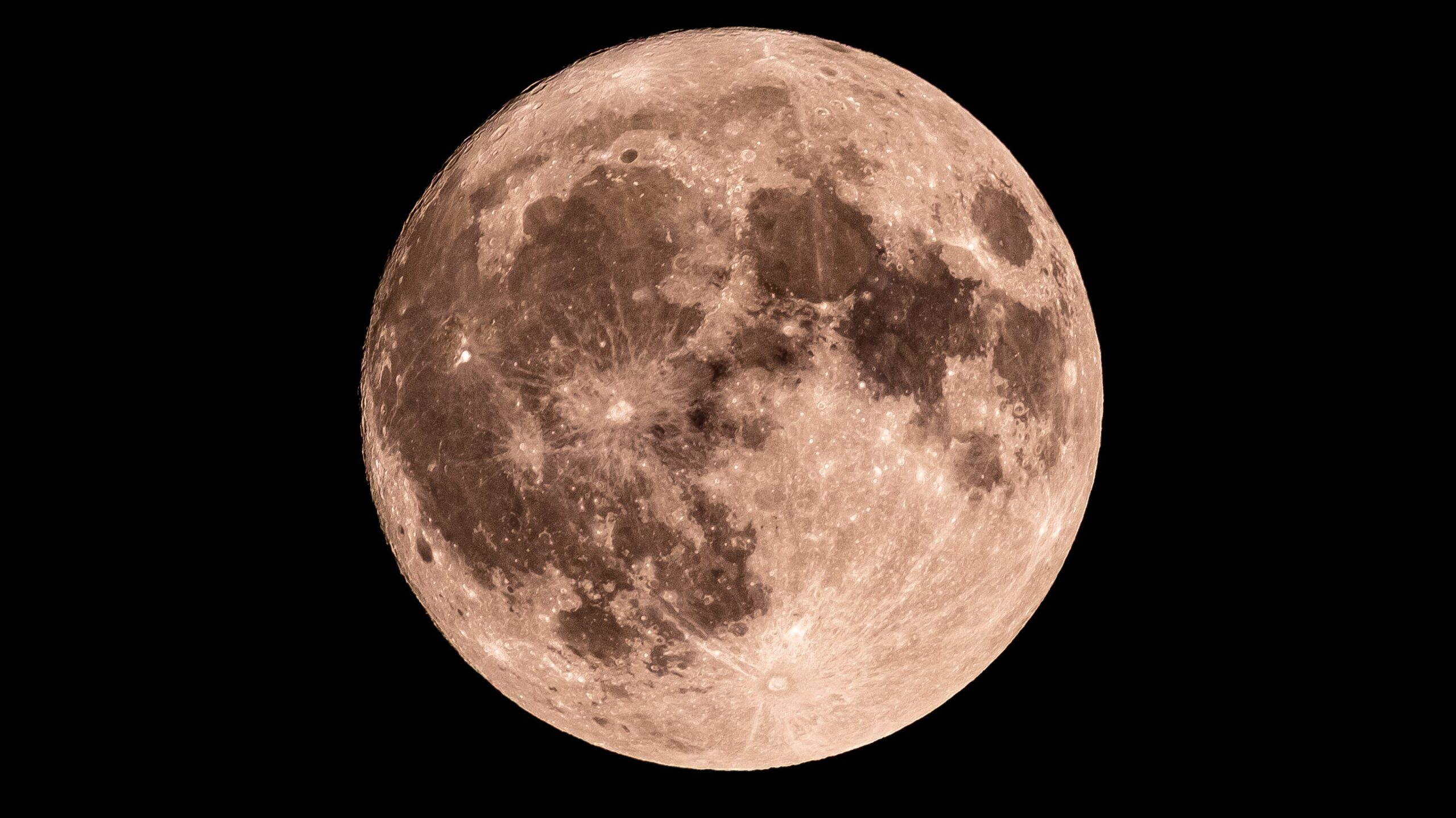
As of October 18, the Moon is in its Waning Crescent phase, revealing only a small fraction of its surface to observers. With just 8% illumination visible, stargazers looking up tonight may find limited sights. This phase will continue for the next few days until the arrival of the New Moon.
The Waning Crescent phase is characterized by a thin sliver of light on the left side of the Moon. According to NASA’s Daily Moon Observation, tonight’s visibility is minimal, but those equipped with binoculars or a telescope may catch a glimpse of the Grimaldi Basin. This significant feature is an impact basin measuring approximately 124 miles in diameter and offers a glimpse into the Moon’s geological history.
Looking ahead, the next full moon will occur on November 5. The Moon’s phases, including the full moon, are part of a continuous cycle that lasts about 29.5 days. This cycle is driven by the changing positions of the Sun, Earth, and Moon relative to one another.
Understanding the Moon’s phases can enhance our appreciation of its beauty and significance. The eight main phases include:
– **New Moon**: The Moon is positioned between the Earth and the Sun, rendering it invisible from our perspective.
– **Waxing Crescent**: A small sliver of light appears on the right side of the Moon.
– **First Quarter**: Half of the Moon is illuminated on the right side, creating a half-moon appearance.
– **Waxing Gibbous**: More than half of the Moon is lit, but it is not fully illuminated.
– **Full Moon**: The entire face of the Moon is visible and fully illuminated.
– **Waning Gibbous**: The illumination begins to decrease on the right side.
– **Third Quarter (or Last Quarter)**: Another half-moon appears, but now the left side is lit.
– **Waning Crescent**: A thin sliver of light remains on the left side, leading back to the New Moon.
This cyclical nature of the Moon affects not only our night skies but also various cultural practices and scientific studies. Observing these phases can serve as a reminder of the natural rhythms that govern our universe. As we continue to monitor the Moon, each phase provides an opportunity to reflect on its role in our lives and its impact on Earth.

Philadelphia Parks Launch Free Earth Month Events Starting April 1

Bradford’s Fish Fry Fridays Serve Community with Delicious Dinners

Trump Faces Growing Challenges Amid Rising Tensions with Iran

Scientists Probe the Universe’s Missing Topological Defects

Samsung Galaxy Watch 9 to Feature Larger 435mAh Battery

UConn Huskies Aim to Defend Title in 2026 NCAA Women’s Tournament

U.S. Littoral Combat Ships Dock in Malaysia Amid Regional Tensions

Healthy Choice Wellness Reports Quarterly Earnings, Shares Rise

Urgent News: Charles M. Payment Passes Away at 78 in Duluth

University of Hawaiʻi Joins $25.6M AI Project to Enhance Disaster Monitoring

Major Grant Enhances Cancer Care and Research in Hawaiʻi

Joleen Chaney, Beloved Journalist, Passes Leaving Lasting Legacy

San Francisco’s SFO to Welcome 16 Airlines with Nonstop Flights to Europe in 2026

Goldman Sachs Unveils 2026 Catalyst Playbook for Biotech Investors

Discover Top Business Smartphones for Professionals in 2026

Urgent Update: Tom Aspinall’s Vision Deteriorates After UFC 321

Texas Roadhouse Honors Veterans with Free Meal Vouchers

CD Projekt Red Confirms No Release for The Witcher 4 in 2026
-
Science9 months ago
University of Hawaiʻi Joins $25.6M AI Project to Enhance Disaster Monitoring
-
 Health8 months ago
Major Grant Enhances Cancer Care and Research in Hawaiʻi
-
 Top Stories9 months ago
Joleen Chaney, Beloved Journalist, Passes Leaving Lasting Legacy
-
 World7 months ago
San Francisco’s SFO to Welcome 16 Airlines with Nonstop Flights to Europe in 2026
-
 Business8 months ago
Goldman Sachs Unveils 2026 Catalyst Playbook for Biotech Investors
-
 Business7 months ago
Discover Top Business Smartphones for Professionals in 2026
-
 Top Stories9 months ago
Urgent Update: Tom Aspinall’s Vision Deteriorates After UFC 321
-
 Lifestyle9 months ago
Texas Roadhouse Honors Veterans with Free Meal Vouchers
-
 Entertainment8 months ago
CD Projekt Red Confirms No Release for The Witcher 4 in 2026
-

 Top Stories10 months ago
AI Disruption: AWS Faces Threat as Startups Shift Cloud Focus
-

 Health10 months ago
MIT Scientists Uncover Surprising Genomic Loops During Cell Division
-

 Entertainment10 months ago
Discover the Full Map of Pokémon Legends: Z-A’s Lumiose City