
Science
Ancient Lead Exposure Influenced Human and Neanderthal Brains

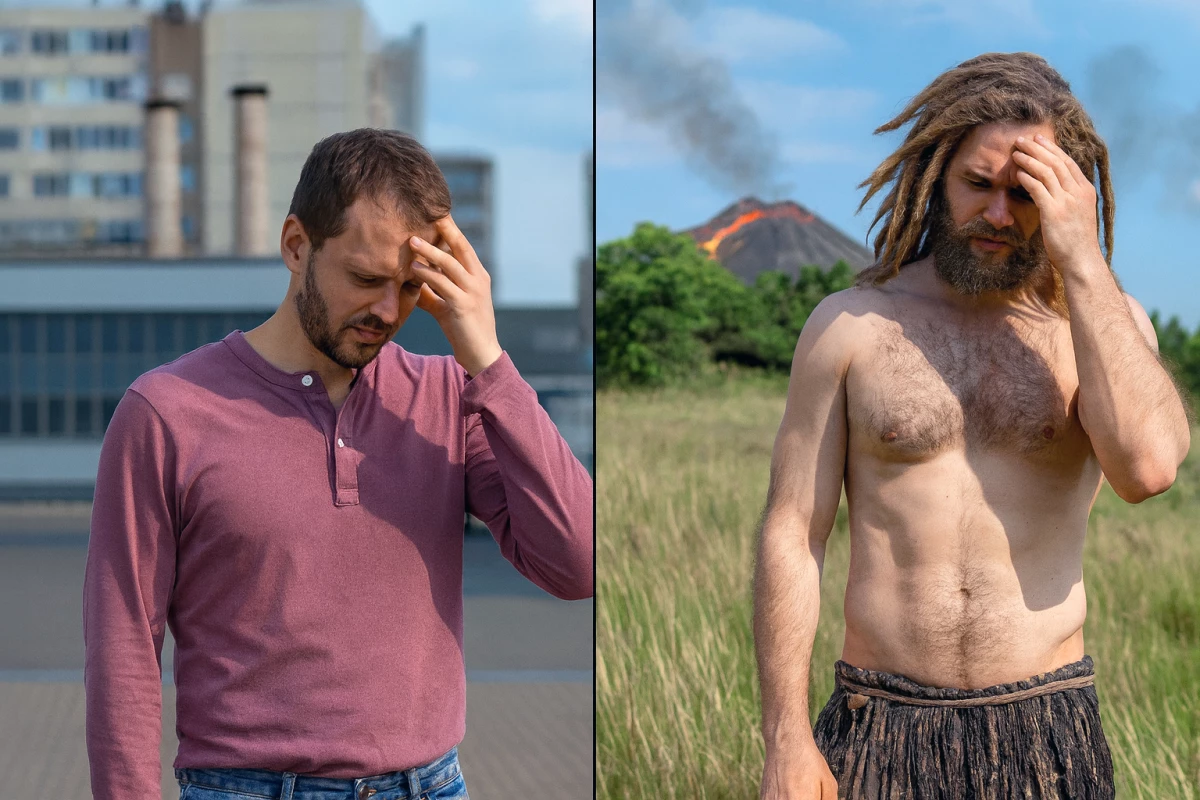
A groundbreaking study reveals that lead exposure significantly influenced the brain development of both Neanderthals and early humans for millions of years. Contrary to the belief that lead toxicity is a modern issue related to industrial pollution, researchers from Southern Cross University in Australia have found evidence of lead exposure dating back at least two million years.
The study, published in the journal Science Advances, analyzed ancient primate and human teeth, demonstrating that lead presence was a long-standing environmental factor affecting cognitive evolution. “Our data show that lead exposure wasn’t just a product of the Industrial Revolution – it was part of our evolutionary landscape,” stated Professor Renaud Joannes-Boyau, the study’s co-corresponding author and Head of the Geoarchaeology and Archaeometry Research Group at SCU.
Using laser ablation mass spectrometry, the researchers examined Neanderthal molars and other hominid fossils, including samples from Payre, France, dated to around 250,000 years ago. The analysis revealed distinct bands of lead within the teeth, indicating repeated exposure during tooth development. In fact, lead was found in 73% of the primate and hominid fossils tested, originating from geological sources such as lead-rich soil and volcanic dust, as well as water from the limestone environment of the Rhone Valley.
These findings suggest that the lead exposure experienced by Neanderthals and their ancestors could have had lasting effects on their neurological development. In modern humans, lead is recognized as a neurotoxin that can impair cognitive functions, learning, and social behavior. Researchers linked this ancient exposure to potential neurological consequences, particularly involving the NOVA1 gene, which regulates gene expression in neurons.
When the team introduced lead to human brain organoids—miniature brain models containing the archaic Neanderthal-like version of NOVA1—they observed disruptions in the FOXP2 gene, critical for language and speech development. The modern human version of NOVA1 displayed greater resilience to lead-related neuronal stress, suggesting that evolutionary adaptations allowed modern humans to better withstand environmental toxins.
Professor Alysson Muotri from the School of Medicine at UC San Diego remarked, “These results suggest that our NOVA1 variant may have offered protection against the harmful neurological effects of lead.” This adaptation could indicate that environmental pressures, such as lead toxicity, drove genetic changes that enhanced survival and communication capabilities, potentially giving modern humans an advantage over Neanderthals.
The implications of the study extend beyond evolutionary biology. According to Professor Manish Arora from the Department of Environmental Medicine at the Icahn School of Medicine at Mount Sinai in New York, “This study shows how our environmental exposures shaped our evolution.” He emphasized the importance of examining the evolutionary roots of disorders linked to environmental factors.
As scientists continue to explore the impact of ancient environmental exposures, this research underscores the complex interplay between our ancestors and their surroundings. The findings challenge long-held beliefs about lead toxicity and offer new insights into how ancient challenges may have shaped human evolution.

Philadelphia Parks Launch Free Earth Month Events Starting April 1

Bradford’s Fish Fry Fridays Serve Community with Delicious Dinners

Trump Faces Growing Challenges Amid Rising Tensions with Iran

Scientists Probe the Universe’s Missing Topological Defects

Samsung Galaxy Watch 9 to Feature Larger 435mAh Battery

UConn Huskies Aim to Defend Title in 2026 NCAA Women’s Tournament

U.S. Littoral Combat Ships Dock in Malaysia Amid Regional Tensions

Healthy Choice Wellness Reports Quarterly Earnings, Shares Rise

Urgent News: Charles M. Payment Passes Away at 78 in Duluth

University of Hawaiʻi Joins $25.6M AI Project to Enhance Disaster Monitoring

Major Grant Enhances Cancer Care and Research in Hawaiʻi

Joleen Chaney, Beloved Journalist, Passes Leaving Lasting Legacy

San Francisco’s SFO to Welcome 16 Airlines with Nonstop Flights to Europe in 2026

Goldman Sachs Unveils 2026 Catalyst Playbook for Biotech Investors

Discover Top Business Smartphones for Professionals in 2026

Urgent Update: Tom Aspinall’s Vision Deteriorates After UFC 321

Texas Roadhouse Honors Veterans with Free Meal Vouchers

CD Projekt Red Confirms No Release for The Witcher 4 in 2026
-
Science9 months ago
University of Hawaiʻi Joins $25.6M AI Project to Enhance Disaster Monitoring
-
 Health8 months ago
Major Grant Enhances Cancer Care and Research in Hawaiʻi
-
 Top Stories9 months ago
Joleen Chaney, Beloved Journalist, Passes Leaving Lasting Legacy
-
 World7 months ago
San Francisco’s SFO to Welcome 16 Airlines with Nonstop Flights to Europe in 2026
-
 Business8 months ago
Goldman Sachs Unveils 2026 Catalyst Playbook for Biotech Investors
-
 Business7 months ago
Discover Top Business Smartphones for Professionals in 2026
-
 Top Stories9 months ago
Urgent Update: Tom Aspinall’s Vision Deteriorates After UFC 321
-
 Lifestyle9 months ago
Texas Roadhouse Honors Veterans with Free Meal Vouchers
-
 Entertainment8 months ago
CD Projekt Red Confirms No Release for The Witcher 4 in 2026
-

 Top Stories10 months ago
AI Disruption: AWS Faces Threat as Startups Shift Cloud Focus
-

 Health10 months ago
MIT Scientists Uncover Surprising Genomic Loops During Cell Division
-

 Entertainment10 months ago
Discover the Full Map of Pokémon Legends: Z-A’s Lumiose City