
Science
Author Aditi Kantipuly Explores Genetic Disorders Through Children’s Book

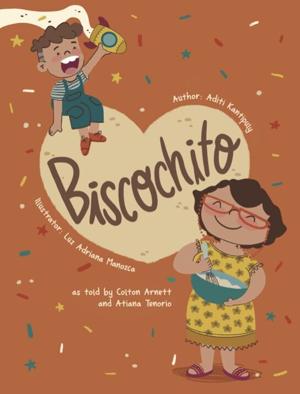
Aditi Kantipuly, a physician training in preventive medicine in Canada, has creatively bridged the worlds of science and art through her recently published children’s book, Biscochito. This engaging narrative addresses the complexities of cerebral cavernous malformation (CCM), a rare genetic disorder that affects the brain and spinal cord, in a format that is accessible to younger audiences.
Cerebral cavernous malformation is characterized by clusters of small blood vessels with abnormally thin walls, leading to debilitating symptoms such as chronic headaches, seizures, and stroke-like episodes. This condition is notably more prevalent in New Mexico, where genealogists have traced one variant of CCM to early Spanish settlers. Although there is currently no cure, ongoing research—including efforts from the University of New Mexico Health Sciences Center—aims to improve treatment options and educate families about the disorder.
Kantipuly’s approach to disseminating information about CCM is distinctive. She collaborated closely with a group of CCM patients from New Mexico to ensure their perspectives were represented in the book. Through storytelling, she seeks to demystify the condition, transforming what can often be a frightening topic into a relatable and family-friendly experience.
The book follows a grandmother with CCM as she shares her experiences with her grandson while baking biscochitos, New Mexico’s official state cookie. This cultural connection was significant for Kantipuly, who stated that blending local traditions with scientific awareness was a priority. “That format can work well when you’re trying to pair it with something really complex,” she explained.
The writing of Biscochito began when Kantipuly applied for funding from the Rare Disease Diversity Coalition, an organization focused on the challenges faced by underserved populations with rare diseases. Through this coalition, she connected with the Alliance to Cure Cavernous Malformation and embarked on a project that felt like a perfect fit. Researching the history of CCM in New Mexico further fueled her passion for the project.
Kantipuly emphasized the importance of community involvement in the book’s creation. Feedback from the CCM support group played a crucial role in shaping the narrative. “The way that the narrative evolved was through conversations with the support group and myself,” she noted. This collaborative effort ensured that the book resonated with those most affected by the condition.
To further enhance its reach, Kantipuly partnered with the New Mexico Public Education Department, which distributed copies of Biscochito to 50 elementary schools across the state. According to Anne Marlow-Geter, manager of the agency’s Safe and Healthy Schools Bureau, this initiative has made the book a valuable resource for students and families alike.
One family benefiting from the book is that of Sakura Tafoya, an 8-year-old CCM patient from Santa Fe. Her father, Jared Tafoya, shared that they have two copies of the book—one for home and one for Sakura’s school library. Last year, Sakura read the story to her second-grade class, helping to spread awareness about the condition. “The whole thing behind the book is, CCM is like a legacy—like a good recipe for biscochitos,” Jared Tafoya remarked.
Published in 2023, Biscochito serves as an innovative gateway to knowledge about cerebral cavernous malformation. By combining the art of storytelling with scientific education, Kantipuly hopes to empower families facing the challenges of rare genetic disorders and foster a deeper understanding of CCM within the community.

Woman Arrested for Threatening U-Haul Worker with Baton

Japan’s PM Takaichi Vows Urgent Fiscal Management Amid Rate Trends

Bitcoin Plummets Below $88K Amid Tether Concerns and Warnings

Tottenville Falls Short in PSAL 4A Title Game Against Erasmus

Shark Teeth Study Reveals Urgent Clues to Prevent Extinction

Church Members Rally Together After Thanksgiving Fire Devastation

U.S. Investment in Canadian Energy Firms Surges Despite Low Oil Prices

Nick Jonas Unveils New Solo Album ‘Sunday Best’ Set for February Release

Researchers Urge Label Changes for Low-Alcohol Drinks to Aid Pregnant Women

Urgent Update: Tom Aspinall’s Vision Deteriorates After UFC 321

MIT Scientists Uncover Surprising Genomic Loops During Cell Division

University of Hawaiʻi Joins $25.6M AI Project to Enhance Disaster Monitoring

AI Disruption: AWS Faces Threat as Startups Shift Cloud Focus

Time Crystals Revolutionize Quantum Computing Potential

Honeywell Forecasts Record Business Jet Deliveries Over Next Decade

Discover the Full Map of Pokémon Legends: Z-A’s Lumiose City

GOP Faces Backlash as Protests Surge Against Trump Policies

Parenthood Set to Depart Hulu: What Fans Need to Know
-
 Top Stories1 month ago
Urgent Update: Tom Aspinall’s Vision Deteriorates After UFC 321
-
 Health1 month ago
MIT Scientists Uncover Surprising Genomic Loops During Cell Division
-
Science4 weeks ago
University of Hawaiʻi Joins $25.6M AI Project to Enhance Disaster Monitoring
-
 Top Stories1 month ago
AI Disruption: AWS Faces Threat as Startups Shift Cloud Focus
-
 Science2 months ago
Time Crystals Revolutionize Quantum Computing Potential
-
 World2 months ago
Honeywell Forecasts Record Business Jet Deliveries Over Next Decade
-
 Entertainment1 month ago
Discover the Full Map of Pokémon Legends: Z-A’s Lumiose City
-
 Top Stories2 months ago
GOP Faces Backlash as Protests Surge Against Trump Policies
-
 Entertainment2 months ago
Parenthood Set to Depart Hulu: What Fans Need to Know
-

 Politics2 months ago
Judge Signals Dismissal of Chelsea Housing Case Citing AI Flaws
-

 Sports2 months ago
Yoshinobu Yamamoto Shines in Game 2, Leading Dodgers to Victory
-

 Health2 months ago
Maine Insurers Cut Medicare Advantage Plans Amid Cost Pressures