
Science
Joyce Carol Oates Critiques Elon Musk in Viral Twitter Exchange

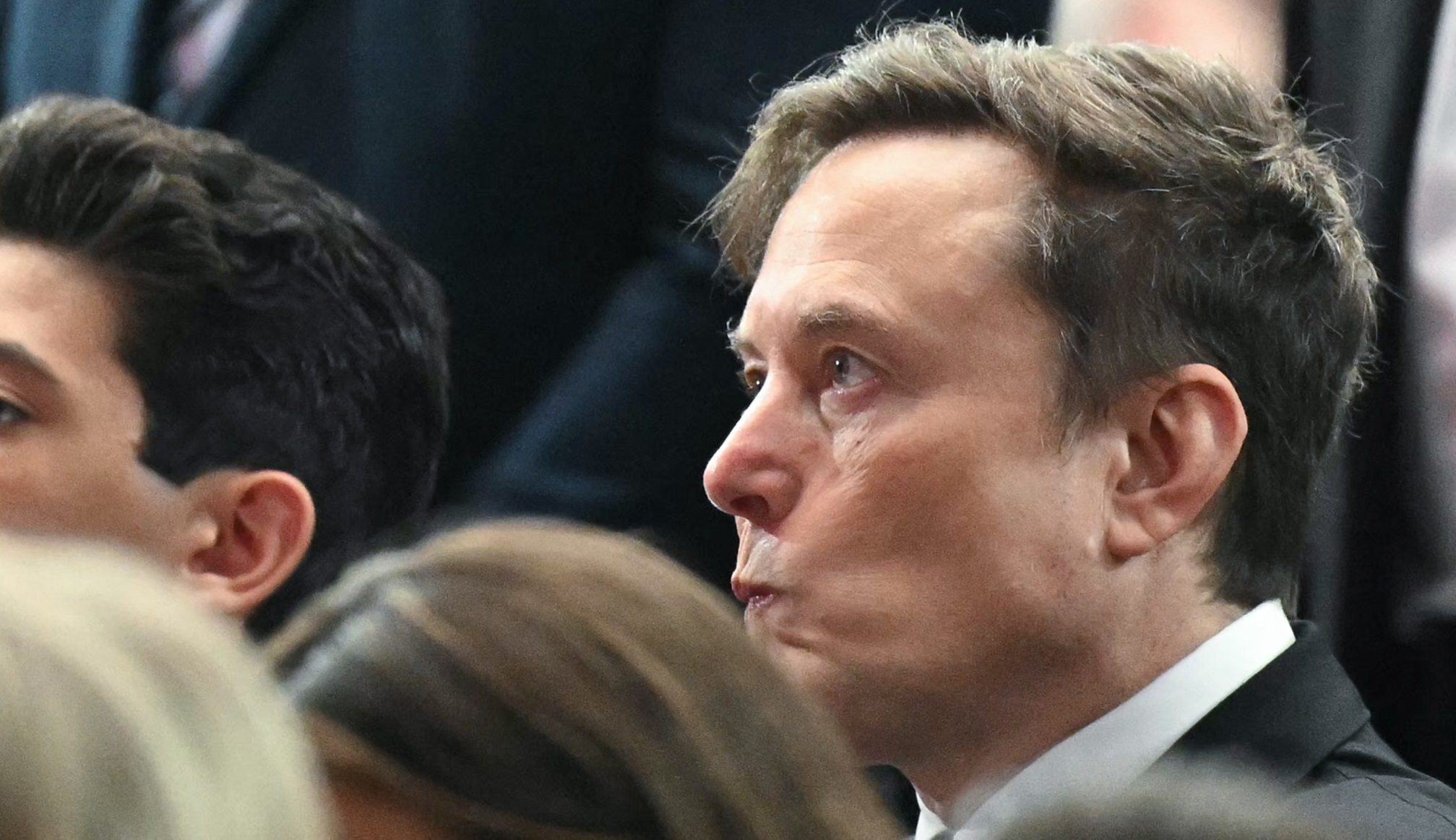
Elon Musk faced a public backlash after a pointed critique from acclaimed author Joyce Carol Oates on social media platform X, formerly known as Twitter. The exchange, which unfolded over the weekend, highlighted Musk’s perceived lack of cultural engagement and sparked significant discussion online.
Oates, known for her extensive literary contributions, responded to a tweet in which Musk boasted about his substantial wealth and a reported $1 trillion pay package. She questioned why someone with such resources did not express appreciation for common cultural experiences, stating, “So curious that such a wealthy man never posts anything that indicates that he enjoys or is even aware of what virtually everyone appreciates.”
The 87-year-old author continued her critique, suggesting that Musk appeared “totally uneducated, uncultured,” and that “the poorest persons on Twitter may have access to more beauty & meaning in life than the ‘most wealthy person in the world.’” Oates’ words resonated widely, quickly garnering attention and engagement from users on the platform.
In response, Musk took to the site to defend himself, launching a series of replies aimed at discrediting Oates. He described her as a “lazy liar” and expressed disdain for her writing style, claiming, “Eating a bag of sawdust would be vastly more enjoyable than reading the laboriously pretentious drivel of Oates.” Musk’s emotional reaction suggested he was unsettled by the remarks, leading him to engage even more on the platform.
Shortly after the exchange, Musk began posting about films and books, perhaps attempting to counteract Oates’ critique. He shared brief opinions on films such as “Edge of Tomorrow” and “The Fifth Element,” offering simple remarks like “Great movie” and “Fifth Element has great style.” These comments, however, were met with skepticism regarding his genuine engagement with the material.
Interestingly, shortly after Oates’ critique, advertisements began appearing on X for a service called Blinkist, which provides summaries of books. The ads claimed that Musk “reads a lot,” adding an ironic twist to the situation given the context of the critique.
Oates later clarified that her original intent was not to insult Musk, but rather to express curiosity about why someone with such wealth demonstrates little appreciation for cultural values. She noted, “Truly it was out of curiosity: why a person with unlimited resources exhibits so little appreciation or even awareness of the things that most people value as giving meaning to life.”
This exchange between Musk and Oates has sparked conversations about wealth, culture, and the responsibilities that come with significant influence. The incident illustrates how prominent figures navigate public scrutiny in the digital age, highlighting the complexities of personal branding and public perception.

Bitcoin Plummets Below $88K Amid Tether Concerns and Warnings

Tottenville Falls Short in PSAL 4A Title Game Against Erasmus

Shark Teeth Study Reveals Urgent Clues to Prevent Extinction

Church Members Rally Together After Thanksgiving Fire Devastation

U.S. Investment in Canadian Energy Firms Surges Despite Low Oil Prices

Nick Jonas Unveils New Solo Album ‘Sunday Best’ Set for February Release

Researchers Urge Label Changes for Low-Alcohol Drinks to Aid Pregnant Women

Wedding Cookie Table Community Aims for World’s Largest Cookie Exchange

Mayor Appoints Alan Wong as New Supervisor for District 4

Urgent Update: Tom Aspinall’s Vision Deteriorates After UFC 321

MIT Scientists Uncover Surprising Genomic Loops During Cell Division

University of Hawaiʻi Joins $25.6M AI Project to Enhance Disaster Monitoring

AI Disruption: AWS Faces Threat as Startups Shift Cloud Focus

Time Crystals Revolutionize Quantum Computing Potential

Honeywell Forecasts Record Business Jet Deliveries Over Next Decade

Discover the Full Map of Pokémon Legends: Z-A’s Lumiose City

GOP Faces Backlash as Protests Surge Against Trump Policies

Parenthood Set to Depart Hulu: What Fans Need to Know
-
 Top Stories1 month ago
Urgent Update: Tom Aspinall’s Vision Deteriorates After UFC 321
-
 Health1 month ago
MIT Scientists Uncover Surprising Genomic Loops During Cell Division
-
Science4 weeks ago
University of Hawaiʻi Joins $25.6M AI Project to Enhance Disaster Monitoring
-
 Top Stories1 month ago
AI Disruption: AWS Faces Threat as Startups Shift Cloud Focus
-
 Science2 months ago
Time Crystals Revolutionize Quantum Computing Potential
-
 World2 months ago
Honeywell Forecasts Record Business Jet Deliveries Over Next Decade
-
 Entertainment1 month ago
Discover the Full Map of Pokémon Legends: Z-A’s Lumiose City
-
 Top Stories2 months ago
GOP Faces Backlash as Protests Surge Against Trump Policies
-
 Entertainment2 months ago
Parenthood Set to Depart Hulu: What Fans Need to Know
-

 Politics2 months ago
Judge Signals Dismissal of Chelsea Housing Case Citing AI Flaws
-

 Sports2 months ago
Yoshinobu Yamamoto Shines in Game 2, Leading Dodgers to Victory
-

 Health2 months ago
Maine Insurers Cut Medicare Advantage Plans Amid Cost Pressures