
Science
Scientists Harness Sound Waves, Gene Therapy to Control Seizures

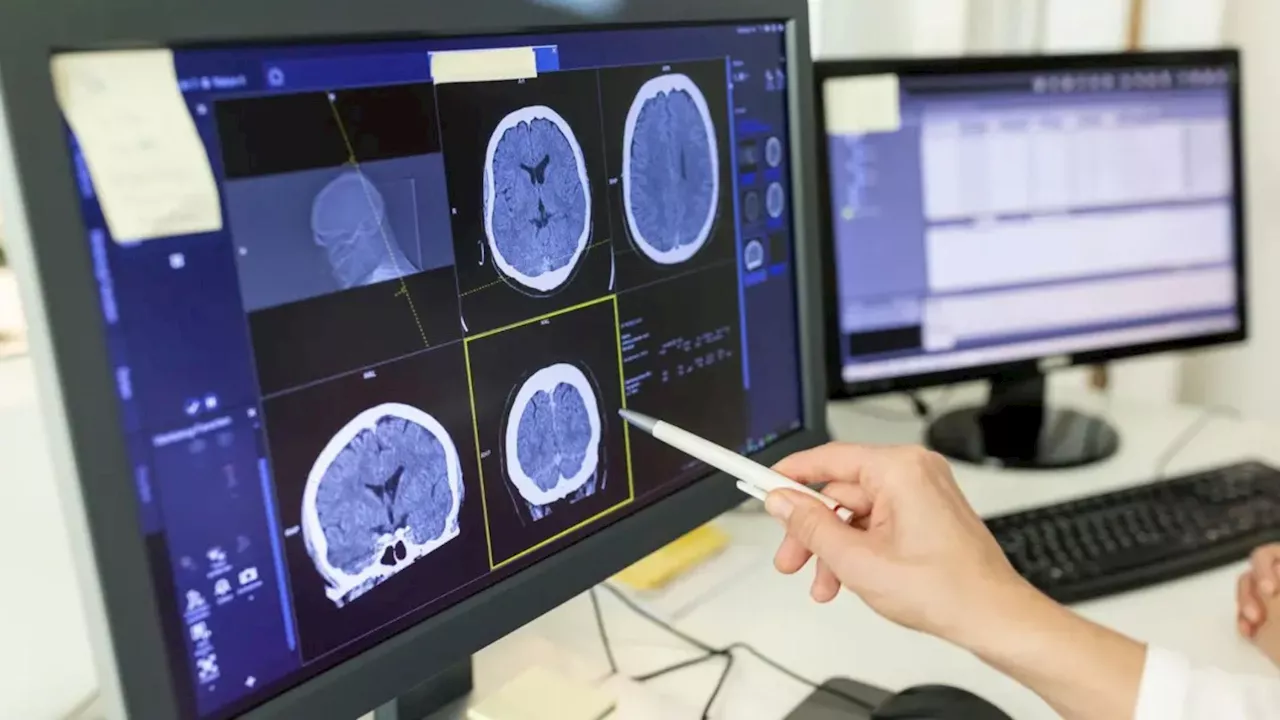
Researchers at Rice University have made significant strides in the treatment of epilepsy by developing a non-invasive method to control seizure-related brain activity using sound waves and gene therapy. This innovative approach, which targets the hippocampus, offers a precise and less invasive alternative to traditional surgical interventions.
Led by Jerzy Szablowski, an assistant professor of bioengineering and a member of the Rice Neuroengineering Initiative, the team has demonstrated that low-intensity focused ultrasound can temporarily open the blood-brain barrier. This breakthrough allows therapeutic agents to enter specific brain regions without the need for surgery or permanent implants.
The technique, known as acoustically targeted chemogenetics or ATAC, combines ultrasound technology with gene therapy and chemogenetics. During the procedure, researchers inject tiny, gas-filled bubbles into the bloodstream. When ultrasound waves target the hippocampus, these bubbles create temporary openings in the blood-brain barrier, enabling gene therapy vectors to reach the affected areas.
“This method allows us to aim therapy precisely where it is needed and control it effectively, all without the need for a surgical procedure,” Szablowski explained. The vectors introduced carry genetic instructions for an inhibitory chemogenetic receptor, functioning as a molecular “dimmer switch” that can quiet hyperactive neurons.
In this study, Honghao Li, a bioengineering doctoral student at Rice and the first author, noted that by selectively targeting the hippocampus, they can dampen overactivity where it matters most while leaving other brain areas undisturbed. The findings indicate that ATAC can effectively manage specific brain circuits through a minimally invasive process, requiring only a simple drug for activation.
The research team believes that with ongoing clinical trials for both focused ultrasound and viral vector gene delivery, this method has the potential to accelerate the development of new treatments for epilepsy and other neurological disorders.
As the team continues its work, they aim to build a flexible brain therapy platform capable of safely reaching various brain regions, delivering genetic material precisely, and allowing clinicians to exert control on demand. Szablowski’s lab has also developed another ultrasound-based method called recovery of markers through insonation, or REMIS, which enables proteins from specific brain areas to be monitored via release into the bloodstream.
“These technologies complement each other,” Szablowski said, emphasizing the potential of ultrasound to deliver therapy, control targeted neurons, and measure effects in specific circuits.
This research highlights Rice University’s increasing commitment to advancing brain science and neurological health, now encapsulated within the newly established Rice Brain Institute. The full study is published in the journal ACS Chemical Neuroscience, showcasing the promising future of non-invasive treatments for epilepsy.

Philadelphia Parks Launch Free Earth Month Events Starting April 1

Bradford’s Fish Fry Fridays Serve Community with Delicious Dinners

Trump Faces Growing Challenges Amid Rising Tensions with Iran

Scientists Probe the Universe’s Missing Topological Defects

Samsung Galaxy Watch 9 to Feature Larger 435mAh Battery

UConn Huskies Aim to Defend Title in 2026 NCAA Women’s Tournament

U.S. Littoral Combat Ships Dock in Malaysia Amid Regional Tensions

Healthy Choice Wellness Reports Quarterly Earnings, Shares Rise

Urgent News: Charles M. Payment Passes Away at 78 in Duluth

University of Hawaiʻi Joins $25.6M AI Project to Enhance Disaster Monitoring

Major Grant Enhances Cancer Care and Research in Hawaiʻi

Joleen Chaney, Beloved Journalist, Passes Leaving Lasting Legacy

San Francisco’s SFO to Welcome 16 Airlines with Nonstop Flights to Europe in 2026

Goldman Sachs Unveils 2026 Catalyst Playbook for Biotech Investors

Discover Top Business Smartphones for Professionals in 2026

Urgent Update: Tom Aspinall’s Vision Deteriorates After UFC 321

Texas Roadhouse Honors Veterans with Free Meal Vouchers

CD Projekt Red Confirms No Release for The Witcher 4 in 2026
-
Science9 months ago
University of Hawaiʻi Joins $25.6M AI Project to Enhance Disaster Monitoring
-
 Health8 months ago
Major Grant Enhances Cancer Care and Research in Hawaiʻi
-
 Top Stories9 months ago
Joleen Chaney, Beloved Journalist, Passes Leaving Lasting Legacy
-
 World7 months ago
San Francisco’s SFO to Welcome 16 Airlines with Nonstop Flights to Europe in 2026
-
 Business8 months ago
Goldman Sachs Unveils 2026 Catalyst Playbook for Biotech Investors
-
 Business7 months ago
Discover Top Business Smartphones for Professionals in 2026
-
 Top Stories9 months ago
Urgent Update: Tom Aspinall’s Vision Deteriorates After UFC 321
-
 Lifestyle9 months ago
Texas Roadhouse Honors Veterans with Free Meal Vouchers
-
 Entertainment8 months ago
CD Projekt Red Confirms No Release for The Witcher 4 in 2026
-

 Top Stories10 months ago
AI Disruption: AWS Faces Threat as Startups Shift Cloud Focus
-

 Health10 months ago
MIT Scientists Uncover Surprising Genomic Loops During Cell Division
-

 Entertainment10 months ago
Discover the Full Map of Pokémon Legends: Z-A’s Lumiose City