
Business
Government Shutdowns: Surprising Benefits for Investors Revealed

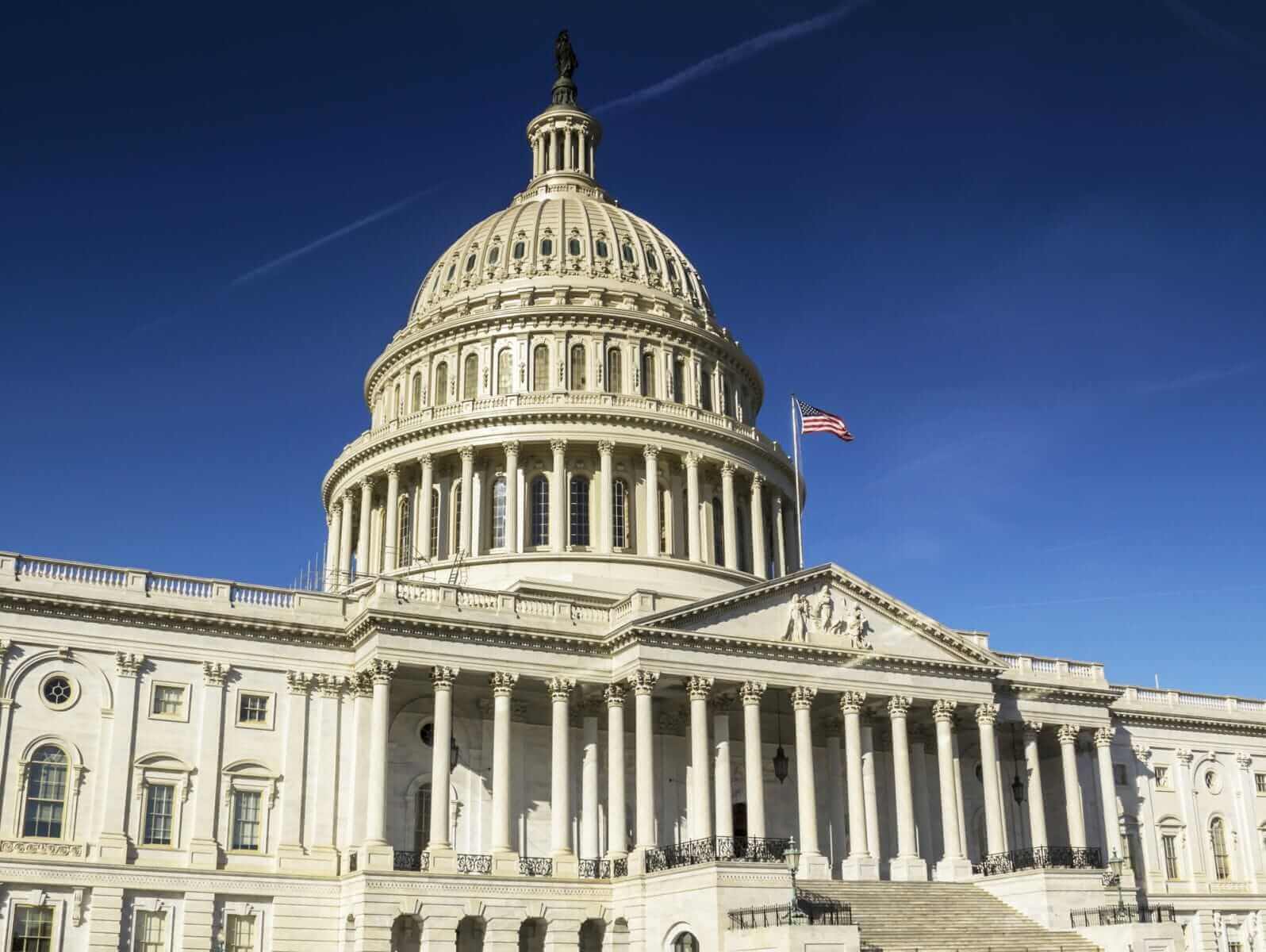
Potential government shutdowns in the United States often prompt concern among citizens and investors alike. However, historical trends indicate that these shutdowns can lead to unexpected benefits for investors. The S&P 500, a key benchmark for U.S. stock performance, has shown a tendency to rally in the aftermath of such events, suggesting that short-term market mispricing can create valuable opportunities.
What many may not realize is that government shutdowns can actually help ease inflation. When federal operations pause, spending slows, which can contribute to a temporary reduction in inflationary pressures. This effect can create a more favorable environment for investors, as lower inflation may enhance purchasing power for consumers and stabilize market conditions.
Historical Trends of Market Performance
According to historical data, the S&P 500 has experienced gains following each of the last five government shutdowns. For instance, during the 2018-2019 shutdown, which lasted 35 days, the index surged by approximately 11% in the following months. This pattern suggests that while uncertainty surrounds a shutdown, it often leads to an eventual market rebound as investors adjust to the new economic landscape.
Moreover, the mispricing of stocks during a shutdown can present unique buying opportunities. When government operations are interrupted, many investors may react impulsively, leading to stock sell-offs. Savvy investors can capitalize on these moments by purchasing undervalued stocks. The subsequent recovery typically allows these investors to benefit from substantial returns.
Understanding the Economic Context
The economic implications of a government shutdown are complex. While the immediate effects can be disruptive, the long-term outcomes may prove beneficial. For example, a temporary halt in government spending can lead to decreased demand for goods and services. This reduction can help mitigate inflation, which has been a significant concern in the current economic climate.
As inflation decreases, the Federal Reserve may adjust its monetary policy. Should interest rates stabilize or decline, borrowing becomes more attractive, potentially stimulating economic growth. This environment is conducive to stock market performance, further benefiting investors who are strategically positioned.
Investors should also consider the broader financial landscape. Analysts note that uncertainty surrounding fiscal policies can impact investor sentiment. Risk-averse individuals may retreat from the market, while those willing to embrace volatility could find significant opportunities for profit.
In conclusion, while government shutdowns often trigger apprehension, they can also create advantageous conditions for investors. Historical trends indicate a pattern of recovery in the S&P 500 post-shutdown, and the potential for easing inflation can further enhance market stability. By understanding these dynamics, investors can position themselves to capitalize on the unique opportunities that arise during such events. It is crucial to remain informed and adaptable in the face of changing economic conditions and to view potential shutdowns not merely as obstacles, but as possible avenues for growth in a diversified portfolio.

Japan’s PM Takaichi Vows Urgent Fiscal Management Amid Rate Trends

Bitcoin Plummets Below $88K Amid Tether Concerns and Warnings

Tottenville Falls Short in PSAL 4A Title Game Against Erasmus

Shark Teeth Study Reveals Urgent Clues to Prevent Extinction

Church Members Rally Together After Thanksgiving Fire Devastation

U.S. Investment in Canadian Energy Firms Surges Despite Low Oil Prices

Nick Jonas Unveils New Solo Album ‘Sunday Best’ Set for February Release

Researchers Urge Label Changes for Low-Alcohol Drinks to Aid Pregnant Women

Wedding Cookie Table Community Aims for World’s Largest Cookie Exchange

Urgent Update: Tom Aspinall’s Vision Deteriorates After UFC 321

MIT Scientists Uncover Surprising Genomic Loops During Cell Division

University of Hawaiʻi Joins $25.6M AI Project to Enhance Disaster Monitoring

AI Disruption: AWS Faces Threat as Startups Shift Cloud Focus

Time Crystals Revolutionize Quantum Computing Potential

Honeywell Forecasts Record Business Jet Deliveries Over Next Decade

Discover the Full Map of Pokémon Legends: Z-A’s Lumiose City

GOP Faces Backlash as Protests Surge Against Trump Policies

Parenthood Set to Depart Hulu: What Fans Need to Know
-
 Top Stories1 month ago
Urgent Update: Tom Aspinall’s Vision Deteriorates After UFC 321
-
 Health1 month ago
MIT Scientists Uncover Surprising Genomic Loops During Cell Division
-
Science4 weeks ago
University of Hawaiʻi Joins $25.6M AI Project to Enhance Disaster Monitoring
-
 Top Stories1 month ago
AI Disruption: AWS Faces Threat as Startups Shift Cloud Focus
-
 Science2 months ago
Time Crystals Revolutionize Quantum Computing Potential
-
 World2 months ago
Honeywell Forecasts Record Business Jet Deliveries Over Next Decade
-
 Entertainment1 month ago
Discover the Full Map of Pokémon Legends: Z-A’s Lumiose City
-
 Top Stories2 months ago
GOP Faces Backlash as Protests Surge Against Trump Policies
-
 Entertainment2 months ago
Parenthood Set to Depart Hulu: What Fans Need to Know
-

 Politics2 months ago
Judge Signals Dismissal of Chelsea Housing Case Citing AI Flaws
-

 Sports2 months ago
Yoshinobu Yamamoto Shines in Game 2, Leading Dodgers to Victory
-

 Health2 months ago
Maine Insurers Cut Medicare Advantage Plans Amid Cost Pressures