
Business
Residents Weigh in on Delayed Searstown Development Plans

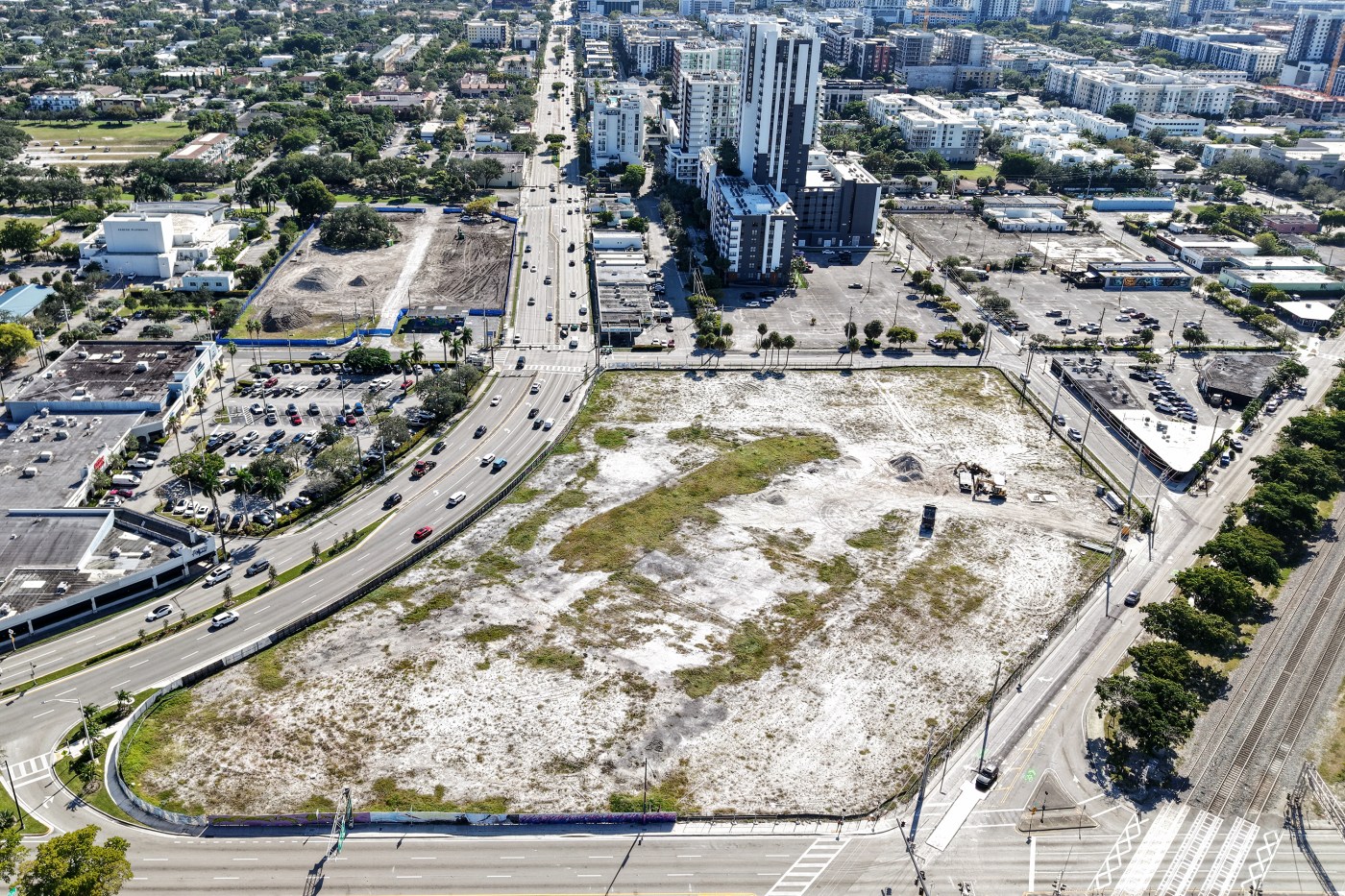
Residents of Fort Lauderdale are expressing mixed feelings about the potential delay of the Searstown mega-project. Many locals view the postponement as a positive development, citing concerns over traffic congestion and the need for improved infrastructure. The site, which has remained largely undeveloped, may soon return to the market, allowing for a reevaluation of its future.
The six years since moving to Fort Lauderdale have seen significant changes for residents. Traffic has increased dramatically, reminiscent of the congestion experienced in larger urban areas like Los Angeles and the San Francisco Bay area. With the city evolving into a year-round destination, the annual influx of tourists and seasonal residents has added to the strain on local roadways, particularly along U.S. 1 and Sunrise Boulevard.
Kevin Schoeler, a Fort Lauderdale resident, expressed relief at the prospect of the Searstown site remaining undeveloped for the time being. He emphasized the lack of meaningful plans to address the area’s traffic issues, hoping that a shift in local governance might empower municipalities to manage development more effectively. Schoeler criticized the influence of lobbyists and developers on quality of life, suggesting that their interests often overshadow community needs.
In related discussions, the public’s attention has also turned to recent comments made by Archbishop Thomas Wenski regarding immigration. Wenski’s remarks on the characterization of individuals entering the United States illegally have sparked debate. Some residents, like Terrence J. O’Loughlin, a local attorney, argue that the law should be enforced strictly and that those who violate it must face consequences. O’Loughlin contends that referring to such individuals as “irregular” detracts from the seriousness of their actions.
The political climate has further intensified with President Trump‘s proposal for offshore drilling along Florida’s coast. Critics argue that such initiatives threaten the environment and public health. Local resident Merri Rosenberg suggested that if Trump is committed to drilling, it should commence near his Mar-a-Lago estate, highlighting the perceived hypocrisy in advocating for environmental risks while benefiting from their consequences.
On the educational front, Florida’s new curriculum aimed at teaching students about the dangers of communism has drawn scrutiny. Lawrence M. Kopelman pointed out that while the ideological tenets of communism promote equality, its practical implementations are often marred by authoritarian governance. Kopelman raised concerns about how these lessons might be presented in classrooms, especially regarding their political implications.
As Fort Lauderdale navigates these complex issues, the community remains engaged, voicing opinions on development, immigration, environmental policy, and education. The discussions reflect a broader dialogue about balancing growth with quality of life, showcasing the diverse perspectives of those who call this vibrant city home.

South Korea Strengthens FX Oversight in Urgent Market Stabilization

U.S. Climate Stance Sparks Global Call for Action and Tariffs

Cyber Monday Mattress Deals: Save Up to 59% Today Only!

Razorbacks Suffer Defeat Against Duke, Eye Louisville Showdown

Swiss Residents Reject 50% Inheritance Tax on Wealthy Citizens

Texas Oil Firm Fights California to Restart Offshore Platforms

Alexander Skarsgård Celebrates British Cinema at BIFA 2025

GOP Faces Urgent Deadline to Decide on Affordable Care Act Funding

Stay Organized This Holiday Season with the Midea Air Fryer

Urgent Update: Tom Aspinall’s Vision Deteriorates After UFC 321

MIT Scientists Uncover Surprising Genomic Loops During Cell Division

University of Hawaiʻi Joins $25.6M AI Project to Enhance Disaster Monitoring

AI Disruption: AWS Faces Threat as Startups Shift Cloud Focus

Time Crystals Revolutionize Quantum Computing Potential

Honeywell Forecasts Record Business Jet Deliveries Over Next Decade

Discover the Full Map of Pokémon Legends: Z-A’s Lumiose City

GOP Faces Backlash as Protests Surge Against Trump Policies

Parenthood Set to Depart Hulu: What Fans Need to Know
-
 Top Stories1 month ago
Urgent Update: Tom Aspinall’s Vision Deteriorates After UFC 321
-
 Health1 month ago
MIT Scientists Uncover Surprising Genomic Loops During Cell Division
-
Science4 weeks ago
University of Hawaiʻi Joins $25.6M AI Project to Enhance Disaster Monitoring
-
 Top Stories1 month ago
AI Disruption: AWS Faces Threat as Startups Shift Cloud Focus
-
 Science2 months ago
Time Crystals Revolutionize Quantum Computing Potential
-
 World2 months ago
Honeywell Forecasts Record Business Jet Deliveries Over Next Decade
-
 Entertainment1 month ago
Discover the Full Map of Pokémon Legends: Z-A’s Lumiose City
-
 Top Stories1 month ago
GOP Faces Backlash as Protests Surge Against Trump Policies
-
 Entertainment2 months ago
Parenthood Set to Depart Hulu: What Fans Need to Know
-

 Politics2 months ago
Judge Signals Dismissal of Chelsea Housing Case Citing AI Flaws
-

 Sports2 months ago
Yoshinobu Yamamoto Shines in Game 2, Leading Dodgers to Victory
-

 Health2 months ago
Maine Insurers Cut Medicare Advantage Plans Amid Cost Pressures