
Science
Observe Saturn and Jupiter: Best Times and Telescopes Unveiled

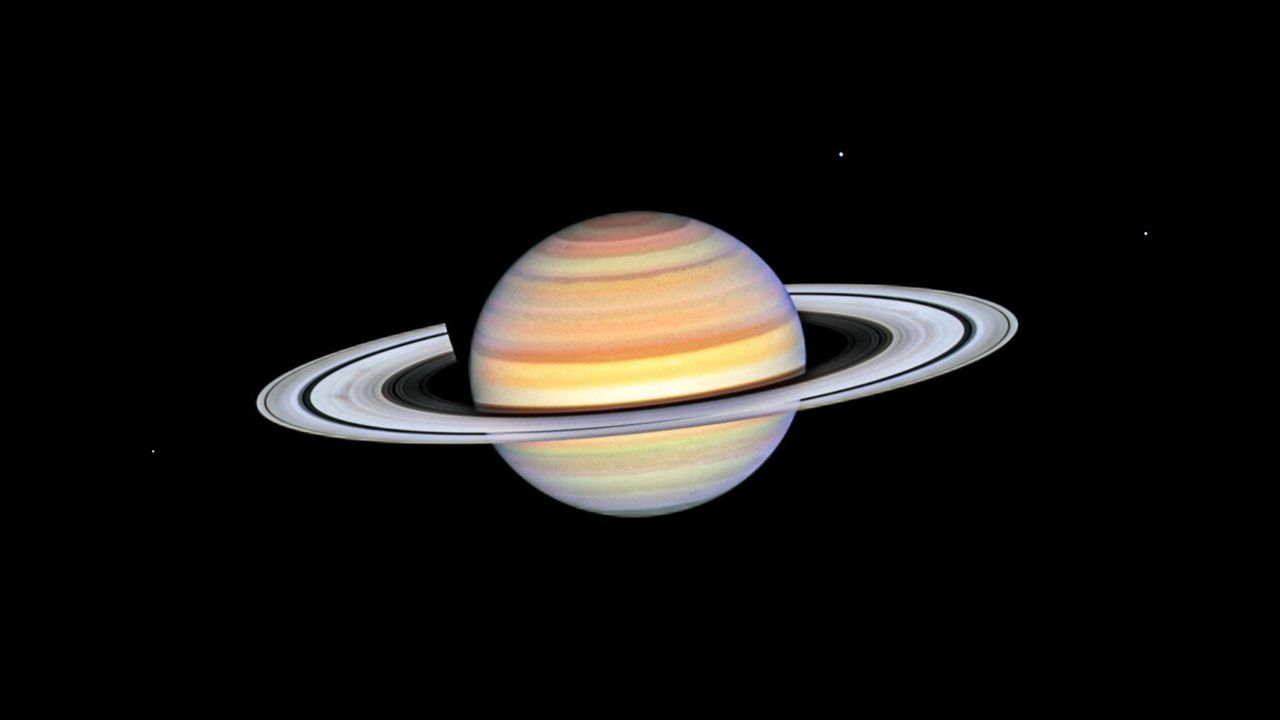
For astronomy enthusiasts, the opportunity to observe Saturn and Jupiter through a telescope is an exhilarating experience. The striking rings of Saturn and the swirling cloud bands of Jupiter, including its famed Great Red Spot, offer breathtaking views that can captivate anyone looking up at the night sky. As both planets approach their ideal viewing times, this article outlines when to observe them and provides recommendations for telescopes.
Optimal Viewing Times for Saturn and Jupiter
Late 2025 is poised to be an exceptional period for viewing both gas giants. The best time to observe any outer planet occurs approximately one month before and after its opposition—the moment when Earth is positioned directly between the planet and the Sun. During opposition, planets appear at their brightest and largest in the night sky. For Saturn, the next opposition will occur on October 4, 2026, while Jupiter’s opposition is set for January 10, 2026. Observers can expect Saturn to rise in the east at dusk and set in the west at dawn.
Choosing the Right Telescope
When selecting a telescope to view Saturn and Jupiter, understanding the types available is crucial. Refractor telescopes generally provide sharper images and are recommended for those on a budget. A minimum aperture of 50mm (2 inches) is required to view Saturn’s rings and Jupiter’s cloud bands. However, for more detailed observations, an aperture of 102mm (4 inches) or 125mm (5 inches) is preferable. This larger aperture allows for the visibility of features such as the Cassini Division in Saturn’s rings and the intricate details of Jupiter’s surface.
Several models stand out for their quality and affordability. The Celestron Inspire 100AZ, a 4-inch refractor, offers excellent views of the planets. For those seeking higher performance, the Celestron NexStar 6SE, a catadioptric telescope, is capable of increasing magnification and detail, making it a solid choice for serious stargazers.
Many buyers focus on magnification numbers when selecting telescopes. However, it is essential to choose one with the largest possible aperture and a longer focal length. For instance, to calculate usable magnification, divide the telescope’s focal length by that of the eyepiece. A telescope with a focal length of 660mm and a 10mm eyepiece would yield a magnification of 66x.
For entry-level telescopes, the Celestron AstroMaster 70AZ provides a lightweight option that delivers decent views of both planets. Its 900mm focal length, paired with included eyepieces, allows for 45x and 90x magnification. For a more advanced model, the Celestron NexStar 8SE excels with high magnifications, providing crisp views of planetary details.
For those considering a smart telescope, the Unistellar Odyssey offers innovative features. It utilizes ‘lucky imaging’ technology to capture the sharpest images of planets, enhancing the viewing experience.
In conclusion, the upcoming opportunities to observe Saturn and Jupiter promise to be spectacular. With the right telescope and the knowledge of when to look, both novice and seasoned astronomers can enjoy these magnificent celestial bodies. As the dates approach, now is the perfect time to prepare for what promises to be an unforgettable experience in stargazing.

Philadelphia Parks Launch Free Earth Month Events Starting April 1

Bradford’s Fish Fry Fridays Serve Community with Delicious Dinners

Trump Faces Growing Challenges Amid Rising Tensions with Iran

Scientists Probe the Universe’s Missing Topological Defects

Samsung Galaxy Watch 9 to Feature Larger 435mAh Battery

UConn Huskies Aim to Defend Title in 2026 NCAA Women’s Tournament

U.S. Littoral Combat Ships Dock in Malaysia Amid Regional Tensions

Healthy Choice Wellness Reports Quarterly Earnings, Shares Rise

Urgent News: Charles M. Payment Passes Away at 78 in Duluth

University of Hawaiʻi Joins $25.6M AI Project to Enhance Disaster Monitoring

Major Grant Enhances Cancer Care and Research in Hawaiʻi

Joleen Chaney, Beloved Journalist, Passes Leaving Lasting Legacy

San Francisco’s SFO to Welcome 16 Airlines with Nonstop Flights to Europe in 2026

Goldman Sachs Unveils 2026 Catalyst Playbook for Biotech Investors

Discover Top Business Smartphones for Professionals in 2026

Urgent Update: Tom Aspinall’s Vision Deteriorates After UFC 321

Texas Roadhouse Honors Veterans with Free Meal Vouchers

CD Projekt Red Confirms No Release for The Witcher 4 in 2026
-
Science9 months ago
University of Hawaiʻi Joins $25.6M AI Project to Enhance Disaster Monitoring
-
 Health8 months ago
Major Grant Enhances Cancer Care and Research in Hawaiʻi
-
 Top Stories9 months ago
Joleen Chaney, Beloved Journalist, Passes Leaving Lasting Legacy
-
 World7 months ago
San Francisco’s SFO to Welcome 16 Airlines with Nonstop Flights to Europe in 2026
-
 Business8 months ago
Goldman Sachs Unveils 2026 Catalyst Playbook for Biotech Investors
-
 Business7 months ago
Discover Top Business Smartphones for Professionals in 2026
-
 Top Stories9 months ago
Urgent Update: Tom Aspinall’s Vision Deteriorates After UFC 321
-
 Lifestyle9 months ago
Texas Roadhouse Honors Veterans with Free Meal Vouchers
-
 Entertainment8 months ago
CD Projekt Red Confirms No Release for The Witcher 4 in 2026
-

 Top Stories10 months ago
AI Disruption: AWS Faces Threat as Startups Shift Cloud Focus
-

 Health10 months ago
MIT Scientists Uncover Surprising Genomic Loops During Cell Division
-

 Entertainment10 months ago
Discover the Full Map of Pokémon Legends: Z-A’s Lumiose City