
Business
Supreme Court to Review Trump Tariffs That Could Change Trade Policy

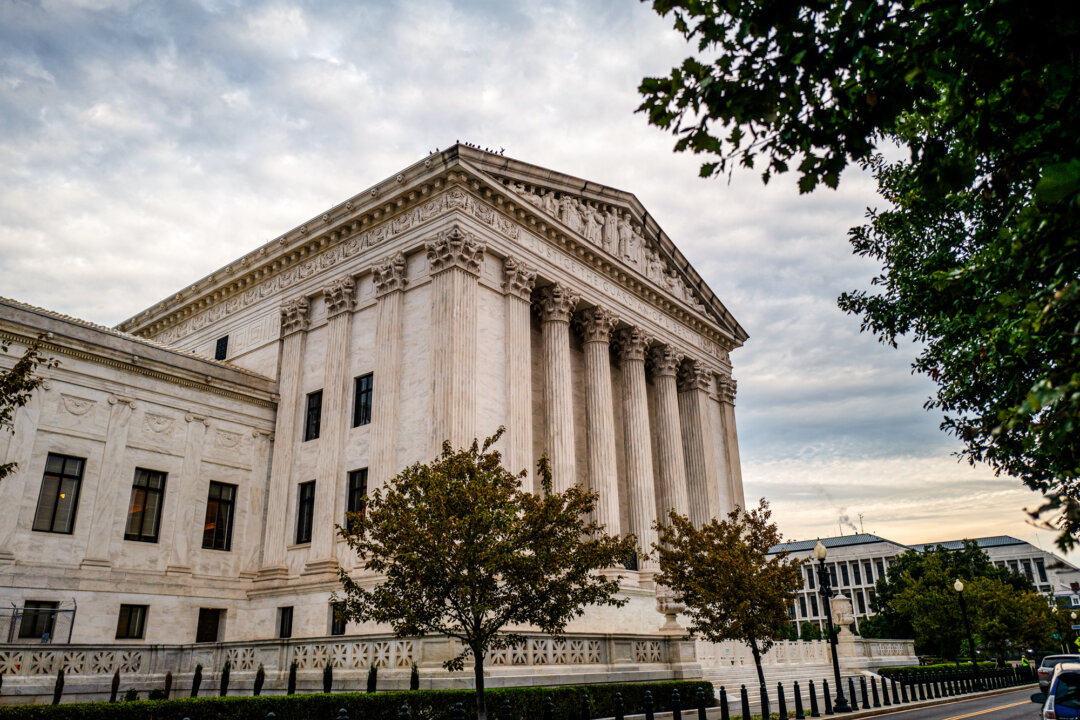
The United States Supreme Court is set to hear a pivotal case that could significantly influence the future of U.S. trade policy. The court will examine the legality of the tariffs imposed by former President Donald Trump under the 1977 International Emergency Economic Powers Act (IEEPA). This case is crucial as it questions whether Trump exceeded his presidential authority by imposing extensive tariffs on various trading partners, including nations as influential as China and members of the European Union.
These tariffs, implemented during Trump’s administration, have had far-reaching implications, altering global supply chains and escalating trade tensions with several countries. The Supreme Court’s decision, anticipated sometime in the court’s 2025–2026 term, could redefine the scope of presidential power in trade matters and establish a new framework for how such decisions are made in the future.
The legal challenge centers on the interpretation of the IEEPA, which grants the president the authority to impose economic sanctions in response to national emergencies. Critics argue that Trump’s use of this power for broad tariffs was an overreach, while supporters contend that such measures were necessary to protect U.S. interests.
As the Supreme Court prepares to deliberate, the outcome could have lasting effects on the balance of power between the executive branch and Congress regarding trade policy. A ruling in support of the tariffs could embolden future presidents to take similar actions without congressional approval, while a decision against them may reinforce the legislative branch’s role in trade negotiations.
Legal experts are closely monitoring the case, recognizing its potential to reshape not only U.S. trade law but also international relations. The implications extend beyond tariffs; they touch on the fundamental question of how much authority a president should wield in economic matters that affect the global landscape.
In this evolving legal landscape, the Supreme Court’s ruling will resonate far beyond the courtroom, influencing economic policies and diplomatic relations for years to come. As both domestic and international stakeholders await the court’s decision, the stakes could not be higher for the future of U.S. trade policy and its position on the world stage.

South Korea Strengthens FX Oversight in Urgent Market Stabilization

U.S. Climate Stance Sparks Global Call for Action and Tariffs

Cyber Monday Mattress Deals: Save Up to 59% Today Only!

Razorbacks Suffer Defeat Against Duke, Eye Louisville Showdown

Swiss Residents Reject 50% Inheritance Tax on Wealthy Citizens

Texas Oil Firm Fights California to Restart Offshore Platforms

Alexander Skarsgård Celebrates British Cinema at BIFA 2025

GOP Faces Urgent Deadline to Decide on Affordable Care Act Funding

Stay Organized This Holiday Season with the Midea Air Fryer

Urgent Update: Tom Aspinall’s Vision Deteriorates After UFC 321

MIT Scientists Uncover Surprising Genomic Loops During Cell Division

University of Hawaiʻi Joins $25.6M AI Project to Enhance Disaster Monitoring

AI Disruption: AWS Faces Threat as Startups Shift Cloud Focus

Time Crystals Revolutionize Quantum Computing Potential

Honeywell Forecasts Record Business Jet Deliveries Over Next Decade

Discover the Full Map of Pokémon Legends: Z-A’s Lumiose City

GOP Faces Backlash as Protests Surge Against Trump Policies

Parenthood Set to Depart Hulu: What Fans Need to Know
-
 Top Stories1 month ago
Urgent Update: Tom Aspinall’s Vision Deteriorates After UFC 321
-
 Health1 month ago
MIT Scientists Uncover Surprising Genomic Loops During Cell Division
-
Science4 weeks ago
University of Hawaiʻi Joins $25.6M AI Project to Enhance Disaster Monitoring
-
 Top Stories1 month ago
AI Disruption: AWS Faces Threat as Startups Shift Cloud Focus
-
 Science2 months ago
Time Crystals Revolutionize Quantum Computing Potential
-
 World2 months ago
Honeywell Forecasts Record Business Jet Deliveries Over Next Decade
-
 Entertainment1 month ago
Discover the Full Map of Pokémon Legends: Z-A’s Lumiose City
-
 Top Stories1 month ago
GOP Faces Backlash as Protests Surge Against Trump Policies
-
 Entertainment2 months ago
Parenthood Set to Depart Hulu: What Fans Need to Know
-

 Politics2 months ago
Judge Signals Dismissal of Chelsea Housing Case Citing AI Flaws
-

 Sports2 months ago
Yoshinobu Yamamoto Shines in Game 2, Leading Dodgers to Victory
-

 Health2 months ago
Maine Insurers Cut Medicare Advantage Plans Amid Cost Pressures