
Health
Former NIH Scientist Files Lawsuit Against Trump Administration Over Firing

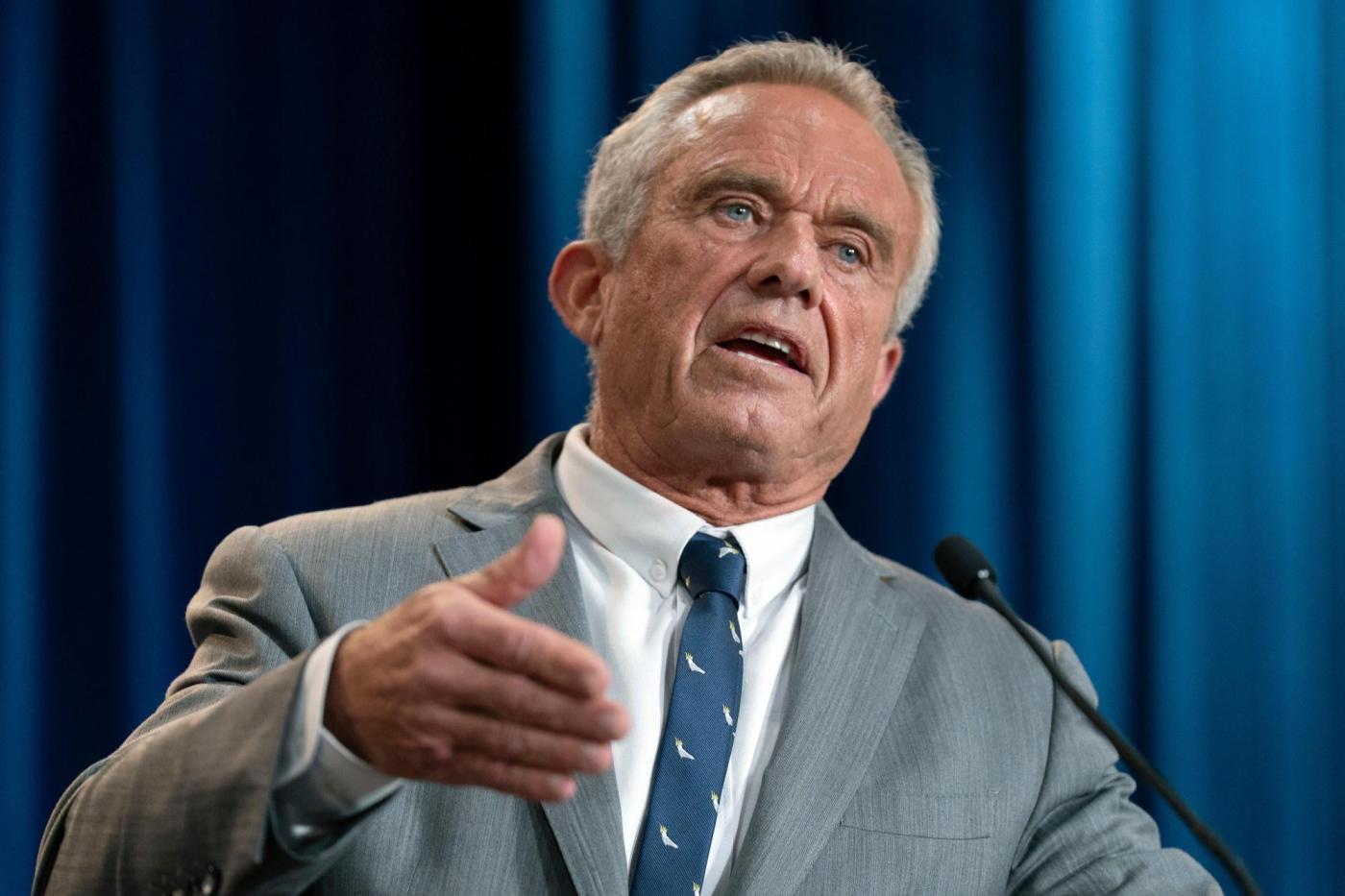
A former scientist at the National Institutes of Health (NIH) has initiated legal action against the Trump administration, claiming her termination was illegal and retaliatory. Dr. Jeanne Marrazzo, a prominent expert in infectious diseases, argues that she was dismissed for expressing concerns over significant cuts to research that could jeopardize patient safety and public health.
The lawsuit, filed in federal court in Maryland on Tuesday, highlights the NIH’s decision to reduce funding for various research projects since January 2017, when Donald Trump assumed the presidency. These reductions have reportedly affected clinical trials targeting crucial health issues such as cancer and neurological disorders, impacting over 74,000 participants involved in these studies.
Details of the Lawsuit
Dr. Marrazzo previously led the NIH’s National Institute of Allergy and Infectious Diseases. According to court documents, she was placed on administrative leave last spring after questioning NIH leadership about the funding cuts. Her objections focused on the potential risks to clinical trial participants and the detrimental effects on infectious disease and vaccine research.
In September 2023, she filed a whistleblower complaint with the U.S. Office of Special Counsel, which alleged retaliation for her advocacy. The lawsuit claims that her termination by Health Secretary Robert F. Kennedy Jr. occurred shortly after she publicly articulated her concerns regarding the funding reductions.
Dr. Marrazzo, through her legal representatives, stated that this lawsuit is not only about her individual rights but also about safeguarding the ability of all federal employees to report government misconduct. She emphasized the need to protect vital public health priorities and uphold the integrity of scientific research.
A spokesperson for the Department of Health and Human Services declined to comment on the lawsuit, citing ongoing litigation.
The situation underscores a broader discourse on the impact of funding decisions on public health research. With substantial cuts to NIH funding, experts worry about the long-term consequences for patient care and medical advancements.
As the case unfolds, it may shine a light on the delicate balancing act between governmental budgetary constraints and the necessity for robust scientific inquiry that can ultimately benefit public health.
The Associated Press Health and Science Department receives support from the Howard Hughes Medical Institute and the Robert Wood Johnson Foundation. The AP is solely responsible for all content.

US CPI Report to Drive Market Volatility Ahead of Central Bank Decisions

Joseph F. DeLong, 58, Passes Away Surrounded by Family

Pennsylvania House Passes Abortion Rights Bill in Close Vote

Powerball Draws Winning Numbers for $1.27B Jackpot—Check Now!

Trump Blames Biden in Prime Time Speech, Declares ‘Inflation Stopped’

Jen Psaki SLAMS Trump’s $1,776 Claims in Brutal Fact-Check

Paul McNeil Jr. Scores 47, Sets 3-Point Record in NC State Win

Trump Addresses Nation Amid Tumbling Poll Numbers and Urgency

Model Alleges Trump Groped Her While Epstein Watched in 1993

Urgent Update: Tom Aspinall’s Vision Deteriorates After UFC 321

University of Hawaiʻi Joins $25.6M AI Project to Enhance Disaster Monitoring

MIT Scientists Uncover Surprising Genomic Loops During Cell Division

AI Disruption: AWS Faces Threat as Startups Shift Cloud Focus

Time Crystals Revolutionize Quantum Computing Potential

Discover the Full Map of Pokémon Legends: Z-A’s Lumiose City

GOP Faces Backlash as Protests Surge Against Trump Policies

Honeywell Forecasts Record Business Jet Deliveries Over Next Decade

Judge Signals Dismissal of Chelsea Housing Case Citing AI Flaws
-
 Top Stories2 months ago
Urgent Update: Tom Aspinall’s Vision Deteriorates After UFC 321
-
Science2 months ago
University of Hawaiʻi Joins $25.6M AI Project to Enhance Disaster Monitoring
-
 Health2 months ago
MIT Scientists Uncover Surprising Genomic Loops During Cell Division
-
 Top Stories2 months ago
AI Disruption: AWS Faces Threat as Startups Shift Cloud Focus
-
 Science2 months ago
Time Crystals Revolutionize Quantum Computing Potential
-
 Entertainment2 months ago
Discover the Full Map of Pokémon Legends: Z-A’s Lumiose City
-
 Top Stories2 months ago
GOP Faces Backlash as Protests Surge Against Trump Policies
-
 World2 months ago
Honeywell Forecasts Record Business Jet Deliveries Over Next Decade
-
 Politics2 months ago
Judge Signals Dismissal of Chelsea Housing Case Citing AI Flaws
-

 Entertainment2 months ago
Parenthood Set to Depart Hulu: What Fans Need to Know
-

 Top Stories1 month ago
Joleen Chaney, Beloved Journalist, Passes Leaving Lasting Legacy
-

 Sports2 months ago
Yoshinobu Yamamoto Shines in Game 2, Leading Dodgers to Victory