
Health
Groundbreaking Study Reveals Key Causes of Cancer Deaths

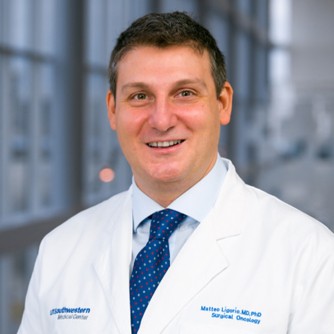
A recent study led by researchers at UT Southwestern Medical Center has challenged long-standing beliefs about the causes of cancer mortality. Published in Nature Medicine on October 16, 2025, the research suggests that the infiltration of tumors into major blood vessels, rather than metastatic disease, may be the primary driver of cancer-related deaths. This revelation could lead to new interventions aimed at extending the lives of patients with advanced cancers.
The lead investigator, Matteo Ligorio, M.D., Ph.D., an Assistant Professor of Surgery at UT Southwestern, alongside his colleagues Kelley Newcomer, M.D., and Nicola Aceto, Ph.D., sought to answer a critical question: What exactly causes cancer patients to die on a specific day rather than months earlier or later? Their findings indicate that the mechanisms behind cancer mortality are more complex than previously understood.
Cancer is responsible for approximately 600,000 deaths in the U.S. annually, yet the factors leading to these fatalities have remained elusive. Traditionally, scientists have attributed cancer deaths primarily to metastatic spread—tumors disseminating throughout the body. However, many patients with metastatic disease can live for years, which raises questions about the true causes of their clinical decline.
Dr. Ligorio noted that previous studies suggested a link between advanced cancers and an increased incidence of blood clots in organs such as the heart, liver, and lungs. To investigate further, researchers analyzed a cohort of over 100 patients who died from colorectal, lung, ovarian, liver, or pancreatic cancer at William P. Clements Jr. University Hospital and Parkland Health. These patients underwent routine autopsies, allowing for a detailed examination of the circumstances surrounding their deaths.
Dr. Newcomer also recruited 31 terminally ill patients in hospice care, monitoring them closely during their final weeks. Blood samples were collected whenever patients reported significant changes in their health status. Upon their deaths, which occurred an average of 38 days after enrollment, Dr. Ligorio performed modified autopsies that allowed for the preservation of major blood vessels, enabling a thorough examination of their interiors.
The study revealed that many cancer patients had tumors infiltrating the walls of major blood vessels, including the portal vein and abdominal aorta. In several instances, these invasive growths were detectable on routine imaging, appearing weeks or months before death. Furthermore, blood samples taken during the follow-up period showed a notable increase in circulating cancer cells just prior to death, indicating significant involvement of the cardiovascular system in the disease’s progression.
Dr. Ligorio’s findings led to a new hypothesis regarding cancer mortality: when tumors encroach upon major blood vessels, tiny fragments may break off and enter the bloodstream. This process increases the likelihood of clot formation, which can restrict blood flow to vital organs, ultimately resulting in multiorgan failure and death.
To validate these findings, the research team examined CT imaging data from 1,250 cancer patients who had died. Collaborators from the University of Lubeck and the University of Mainz in Germany confirmed that the majority of these patients exhibited tumor infiltration into major blood vessels, reinforcing Dr. Ligorio’s theory.
Dr. Newcomer emphasized the potential clinical implications of this research: “Surgery or radiation to treat tumors approaching large blood vessels could potentially transform how we diagnose, manage, and treat patients with cancers.”
The researchers expressed their gratitude to the patients and families who participated in the study, which aims to enhance the scientific understanding of cancer and support the development of new treatments. They also acknowledged the contributions of hospice organizations, including the Visiting Nurse Association of Texas, Faith Presbyterian Hospice, and Pathway Hospice.
Looking ahead, Dr. Ligorio and Dr. Newcomer are collaborating with Herbert J. Zeh III, M.D., Chair and Professor of Surgery at UT Southwestern, to design clinical trials. These trials will explore whether targeting tumor-vessel infiltration can significantly extend survival for patients, particularly those with advanced cancers.
This study received funding from multiple sources, including the Cancer Prevention and Research Institute of Texas, the National Cancer Institute, and the European Research Council, among others. The comprehensive nature of the research reflects the commitment of UT Southwestern Medical Center to pioneering advancements in cancer treatment and patient care.

South Korea Strengthens FX Oversight in Urgent Market Stabilization

U.S. Climate Stance Sparks Global Call for Action and Tariffs

Cyber Monday Mattress Deals: Save Up to 59% Today Only!

Razorbacks Suffer Defeat Against Duke, Eye Louisville Showdown

Swiss Residents Reject 50% Inheritance Tax on Wealthy Citizens

Texas Oil Firm Fights California to Restart Offshore Platforms

Alexander Skarsgård Celebrates British Cinema at BIFA 2025

GOP Faces Urgent Deadline to Decide on Affordable Care Act Funding

Stay Organized This Holiday Season with the Midea Air Fryer

Urgent Update: Tom Aspinall’s Vision Deteriorates After UFC 321

MIT Scientists Uncover Surprising Genomic Loops During Cell Division

University of Hawaiʻi Joins $25.6M AI Project to Enhance Disaster Monitoring

AI Disruption: AWS Faces Threat as Startups Shift Cloud Focus

Time Crystals Revolutionize Quantum Computing Potential

Honeywell Forecasts Record Business Jet Deliveries Over Next Decade

Discover the Full Map of Pokémon Legends: Z-A’s Lumiose City

GOP Faces Backlash as Protests Surge Against Trump Policies

Parenthood Set to Depart Hulu: What Fans Need to Know
-
 Top Stories1 month ago
Urgent Update: Tom Aspinall’s Vision Deteriorates After UFC 321
-
 Health1 month ago
MIT Scientists Uncover Surprising Genomic Loops During Cell Division
-
Science4 weeks ago
University of Hawaiʻi Joins $25.6M AI Project to Enhance Disaster Monitoring
-
 Top Stories1 month ago
AI Disruption: AWS Faces Threat as Startups Shift Cloud Focus
-
 Science2 months ago
Time Crystals Revolutionize Quantum Computing Potential
-
 World2 months ago
Honeywell Forecasts Record Business Jet Deliveries Over Next Decade
-
 Entertainment1 month ago
Discover the Full Map of Pokémon Legends: Z-A’s Lumiose City
-
 Top Stories1 month ago
GOP Faces Backlash as Protests Surge Against Trump Policies
-
 Entertainment2 months ago
Parenthood Set to Depart Hulu: What Fans Need to Know
-

 Politics2 months ago
Judge Signals Dismissal of Chelsea Housing Case Citing AI Flaws
-

 Sports2 months ago
Yoshinobu Yamamoto Shines in Game 2, Leading Dodgers to Victory
-

 Health2 months ago
Maine Insurers Cut Medicare Advantage Plans Amid Cost Pressures