
Health
Healthcare Software Development Accelerates Digital Transformation

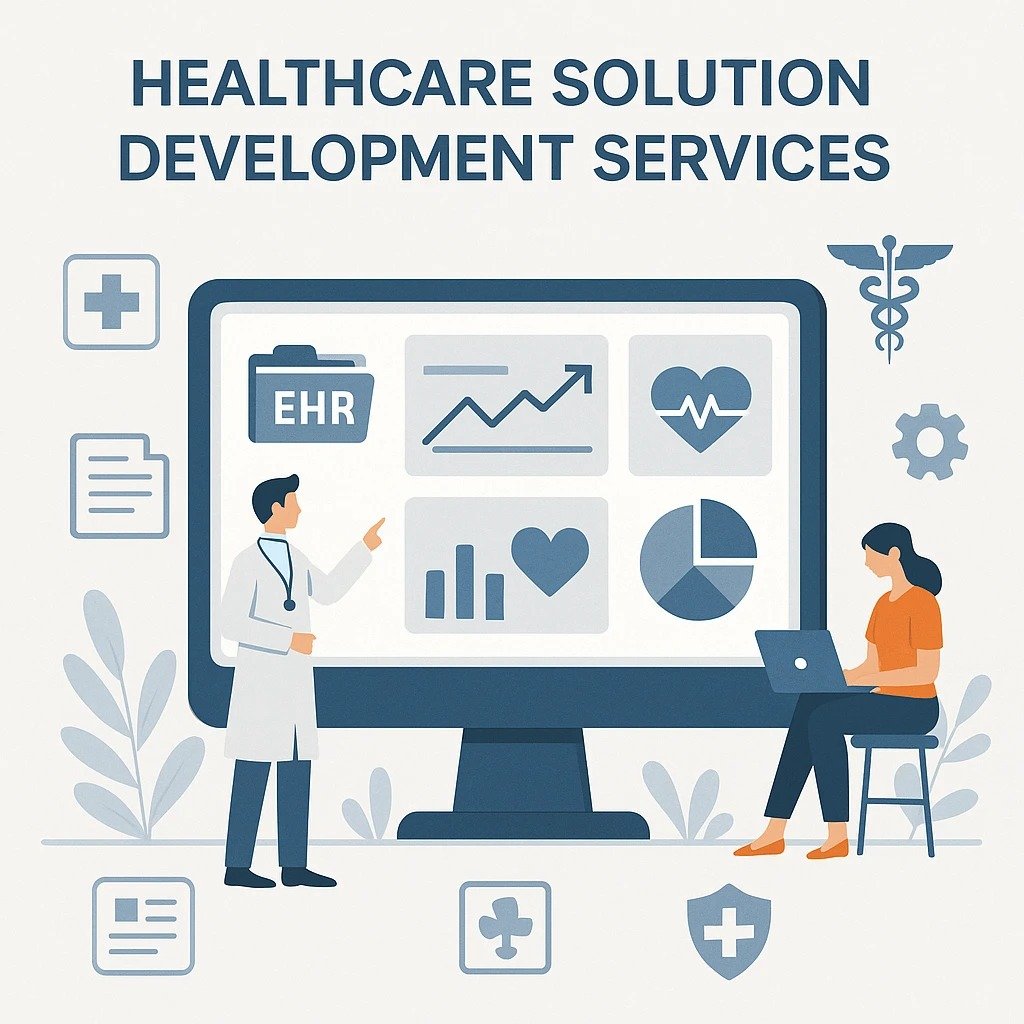
The global healthcare industry is undergoing a significant transformation as organizations increasingly prioritize digital solutions. This shift is largely driven by the need for enhanced interoperability, automation, and a focus on patient-centered care. With hospitals, clinics, and healthcare startups recognizing this urgent need, healthcare software development has emerged as a strategic priority to improve patient outcomes and operational efficiency.
Why Tailored Software Solutions are Essential
Unlike standard commercial software, healthcare systems face unique challenges, including regulatory compliance, patient privacy, and the integration of sensitive medical information. Off-the-shelf solutions often fall short in addressing the complexities of Electronic Health Record (EHR) integration and varying compliance regulations across regions. Custom software development becomes essential, delivering solutions tailored to meet specific clinical, operational, and technical needs.
Whether it is creating hospital management systems, telemedicine applications, or population health analytics platforms, custom development aligns tools with real-world healthcare scenarios rather than generic use cases. As a result, organizations are better equipped to manage patient care and administrative processes effectively.
Key Areas of Healthcare Software Development
Modern healthcare software encompasses a variety of applications, each serving distinct functions within the digital health ecosystem. EHR systems remain foundational, helping organizations reduce documentation time and enhance clinician workflows. Telehealth platforms are increasingly vital, facilitating virtual consultations and remote patient monitoring, which improve accessibility and decrease unnecessary hospital visits.
Healthcare analytics and AI-driven solutions support clinical decision-making and optimize hospital operations. Algorithms trained on clinical data can identify patient risks, automate triage processes, and personalize treatment plans. Additionally, laboratory and medical imaging systems enhance diagnostic accuracy while integrated solutions unify test results and diagnostic reports.
Insurance and claims management systems further support payers by automating eligibility checks and claims processing. Meanwhile, mobile health (mHealth) applications empower patients to manage their health actively, improving engagement and self-management.
Interoperability stands as a crucial component in the digital healthcare landscape. The ability for systems to exchange and interpret clinical data is essential for reducing bottlenecks and ensuring consistent care. Developers increasingly rely on interoperable standards such as FHIR and HL7, which enable seamless data flow and real-time insights across platforms.
Security and compliance are paramount in healthcare software development. Patient data is highly sensitive, making healthcare systems attractive targets for cyberattacks. Robust software development incorporates data encryption, secure authentication, and continuous monitoring to protect patient information. Compliance with regulations such as HIPAA and GDPR ensures legal protection and patient privacy.
Organizations often partner with developers who possess a deep understanding of these regulations, ensuring that security measures are integrated from the outset.
The Role of AI and Automation
Artificial intelligence is becoming a driving force in healthcare innovation. Machine learning algorithms analyze vast datasets to predict outcomes, streamline clinical documentation, and enhance care coordination. Natural language processing tools extract structured insights from unstructured data, while AI chatbots improve patient engagement by offering immediate assistance.
Automation also enhances administrative workflows, reducing manual tasks and minimizing human error. As AI technologies continue to evolve, they are increasingly integrated into modern healthcare platforms, transforming how care is delivered.
Digital tools not only benefit healthcare providers but also significantly improve the patient experience. Features such as appointment scheduling apps, virtual visits, and medication reminders are enhancing the overall healthcare journey. This newfound convenience empowers patients by giving them more control over their health data and facilitating quicker access to care.
Challenges and Future Trends in Healthcare Software Development
Despite the advancements, healthcare software development faces several challenges. Legacy systems often resist integration, and data quality issues can undermine analytics. Regulatory barriers may slow development timelines, and the varying workflows across organizations complicate universal design.
Looking ahead, the future of healthcare software will likely include real-time clinical decision support and advanced genomic analytics. Cloud-based systems are expected to expand, allowing for scalable solutions while reducing the burden of on-premise infrastructures. Interoperability will remain a focal point, and AI-driven personalization will redefine patient engagement.
Companies like Edenlab are at the forefront of this transformation. Specializing in high-performance healthcare engineering and interoperability solutions, Edenlab has developed robust digital infrastructures for national healthcare systems and hospital networks. Their offerings include FHIR-native product development and complex system integrations, enabling organizations to build scalable digital ecosystems that prioritize innovation and compliance.
As healthcare’s digital transformation progresses, custom software development will continue to play a pivotal role. By enabling organizations to create tailored tools that enhance quality, safety, and efficiency, healthcare solution development services are shaping the future of patient care.

South Korea Strengthens FX Oversight in Urgent Market Stabilization

U.S. Climate Stance Sparks Global Call for Action and Tariffs

Cyber Monday Mattress Deals: Save Up to 59% Today Only!

Razorbacks Suffer Defeat Against Duke, Eye Louisville Showdown

Swiss Residents Reject 50% Inheritance Tax on Wealthy Citizens

Texas Oil Firm Fights California to Restart Offshore Platforms

Alexander Skarsgård Celebrates British Cinema at BIFA 2025

GOP Faces Urgent Deadline to Decide on Affordable Care Act Funding

Stay Organized This Holiday Season with the Midea Air Fryer

Urgent Update: Tom Aspinall’s Vision Deteriorates After UFC 321

MIT Scientists Uncover Surprising Genomic Loops During Cell Division

University of Hawaiʻi Joins $25.6M AI Project to Enhance Disaster Monitoring

AI Disruption: AWS Faces Threat as Startups Shift Cloud Focus

Time Crystals Revolutionize Quantum Computing Potential

Honeywell Forecasts Record Business Jet Deliveries Over Next Decade

Discover the Full Map of Pokémon Legends: Z-A’s Lumiose City

GOP Faces Backlash as Protests Surge Against Trump Policies

Parenthood Set to Depart Hulu: What Fans Need to Know
-
 Top Stories1 month ago
Urgent Update: Tom Aspinall’s Vision Deteriorates After UFC 321
-
 Health1 month ago
MIT Scientists Uncover Surprising Genomic Loops During Cell Division
-
Science4 weeks ago
University of Hawaiʻi Joins $25.6M AI Project to Enhance Disaster Monitoring
-
 Top Stories1 month ago
AI Disruption: AWS Faces Threat as Startups Shift Cloud Focus
-
 Science2 months ago
Time Crystals Revolutionize Quantum Computing Potential
-
 World2 months ago
Honeywell Forecasts Record Business Jet Deliveries Over Next Decade
-
 Entertainment1 month ago
Discover the Full Map of Pokémon Legends: Z-A’s Lumiose City
-
 Top Stories1 month ago
GOP Faces Backlash as Protests Surge Against Trump Policies
-
 Entertainment2 months ago
Parenthood Set to Depart Hulu: What Fans Need to Know
-

 Politics2 months ago
Judge Signals Dismissal of Chelsea Housing Case Citing AI Flaws
-

 Sports2 months ago
Yoshinobu Yamamoto Shines in Game 2, Leading Dodgers to Victory
-

 Health2 months ago
Maine Insurers Cut Medicare Advantage Plans Amid Cost Pressures