
Health
Researchers Explore GLP-1 Drugs as Potential Treatment for Dementia

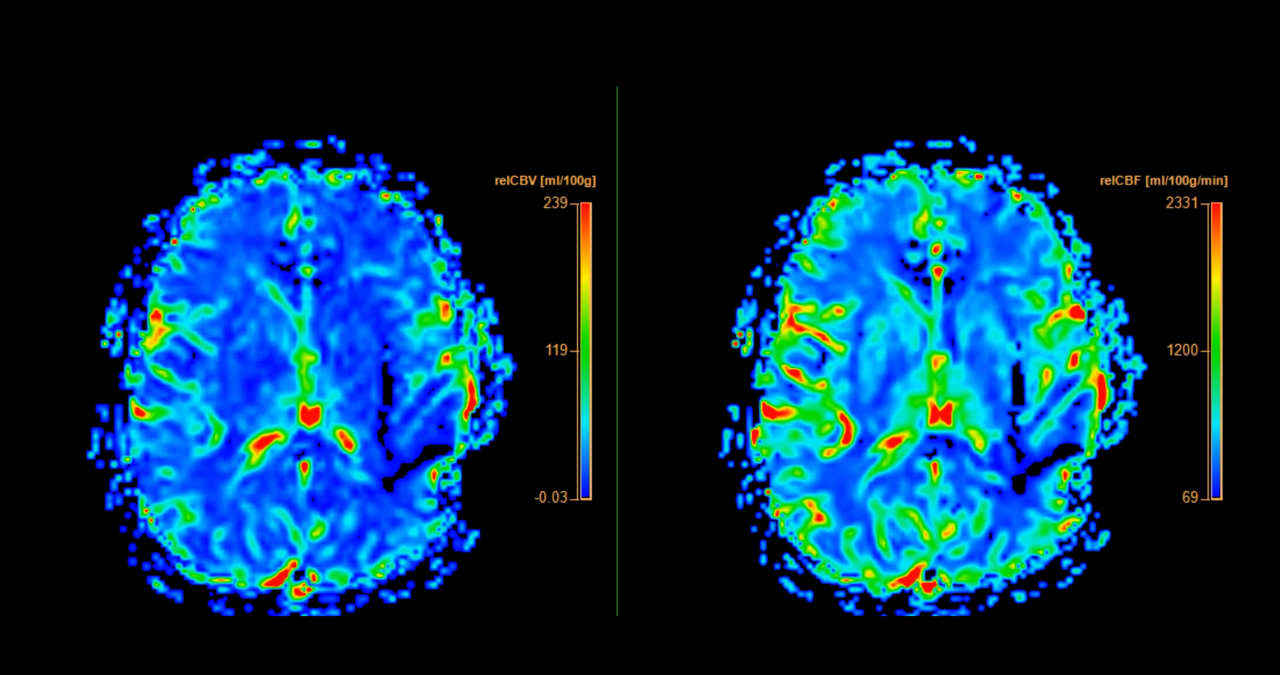
Recent research has sparked interest in the potential of GLP-1 drugs to slow the progression of vascular dementia, the second most common form of dementia following Alzheimer’s disease. Despite an initial study yielding disappointing results, some researchers remain optimistic about the therapeutic prospects of these medications.
Study Findings and Future Prospects
A study published in July 2023 by the University of California examined the effects of GLP-1 receptor agonists on patients diagnosed with vascular dementia. The findings indicated that these drugs did not significantly improve cognitive function compared to those receiving a placebo. Specifically, the trial enrolled over 300 participants, who were monitored for six months, showing no measurable benefit in cognitive health.
Despite this setback, researchers are not entirely dismissing the potential of GLP-1 drugs. These medications, primarily used to treat type 2 diabetes, have shown promise in promoting neuroprotection and reducing inflammation in the brain. Dr. Emily Chen, a leading researcher in the field, stated, “While the results were disappointing, the underlying mechanisms of GLP-1 drugs warrant further investigation.”
Understanding Vascular Dementia
Vascular dementia occurs when blood flow to the brain is disrupted, often as a result of strokes or other cardiovascular issues. According to the Alzheimer’s Association, it accounts for approximately 20% of dementia cases globally. Symptoms can include confusion, difficulty concentrating, and problems with memory.
Given the increasing prevalence of dementia worldwide, which affects an estimated 50 million people, researchers are keen to explore all avenues for treatment. The World Health Organization predicts that this number could rise to 152 million by 2050, emphasizing the urgent need for effective therapies.
Clinical trials involving GLP-1 drugs are ongoing, with some researchers proposing that different dosages or combinations with other therapies might yield better results. The potential for repurposing existing medications for new uses has gained traction in recent years, making this a noteworthy area of investigation.
The Path Ahead
In light of the recent study’s findings, experts encourage a cautious approach. Dr. Richard Lewis, a neurologist specializing in dementia, remarked, “It’s essential to explore the nuances of these treatments. We must consider the biological mechanisms at play and remain hopeful for future developments.”
As the field of dementia research continues to evolve, the quest for effective treatments remains a priority. Researchers are committed to understanding the complexities of vascular dementia and the role that GLP-1 drugs may play.
With ongoing research and clinical trials, the healthcare community remains vigilant. The hope is that, eventually, these drugs could offer new avenues for improving the lives of those affected by vascular dementia and perhaps other forms of cognitive decline.

South Korea Strengthens FX Oversight in Urgent Market Stabilization

U.S. Climate Stance Sparks Global Call for Action and Tariffs

Cyber Monday Mattress Deals: Save Up to 59% Today Only!

Razorbacks Suffer Defeat Against Duke, Eye Louisville Showdown

Swiss Residents Reject 50% Inheritance Tax on Wealthy Citizens

Texas Oil Firm Fights California to Restart Offshore Platforms

Alexander Skarsgård Celebrates British Cinema at BIFA 2025

GOP Faces Urgent Deadline to Decide on Affordable Care Act Funding

Stay Organized This Holiday Season with the Midea Air Fryer

Urgent Update: Tom Aspinall’s Vision Deteriorates After UFC 321

MIT Scientists Uncover Surprising Genomic Loops During Cell Division

University of Hawaiʻi Joins $25.6M AI Project to Enhance Disaster Monitoring

AI Disruption: AWS Faces Threat as Startups Shift Cloud Focus

Time Crystals Revolutionize Quantum Computing Potential

Honeywell Forecasts Record Business Jet Deliveries Over Next Decade

Discover the Full Map of Pokémon Legends: Z-A’s Lumiose City

Parenthood Set to Depart Hulu: What Fans Need to Know

GOP Faces Backlash as Protests Surge Against Trump Policies
-
 Top Stories1 month ago
Urgent Update: Tom Aspinall’s Vision Deteriorates After UFC 321
-
 Health1 month ago
MIT Scientists Uncover Surprising Genomic Loops During Cell Division
-
Science4 weeks ago
University of Hawaiʻi Joins $25.6M AI Project to Enhance Disaster Monitoring
-
 Top Stories1 month ago
AI Disruption: AWS Faces Threat as Startups Shift Cloud Focus
-
 Science2 months ago
Time Crystals Revolutionize Quantum Computing Potential
-
 World2 months ago
Honeywell Forecasts Record Business Jet Deliveries Over Next Decade
-
 Entertainment1 month ago
Discover the Full Map of Pokémon Legends: Z-A’s Lumiose City
-
 Entertainment2 months ago
Parenthood Set to Depart Hulu: What Fans Need to Know
-
 Top Stories1 month ago
GOP Faces Backlash as Protests Surge Against Trump Policies
-

 Politics2 months ago
Judge Signals Dismissal of Chelsea Housing Case Citing AI Flaws
-

 Sports2 months ago
Yoshinobu Yamamoto Shines in Game 2, Leading Dodgers to Victory
-

 Health2 months ago
Maine Insurers Cut Medicare Advantage Plans Amid Cost Pressures