
Health
Revolutionizing Dementia Care: New Treatments and Diagnostics Emerge

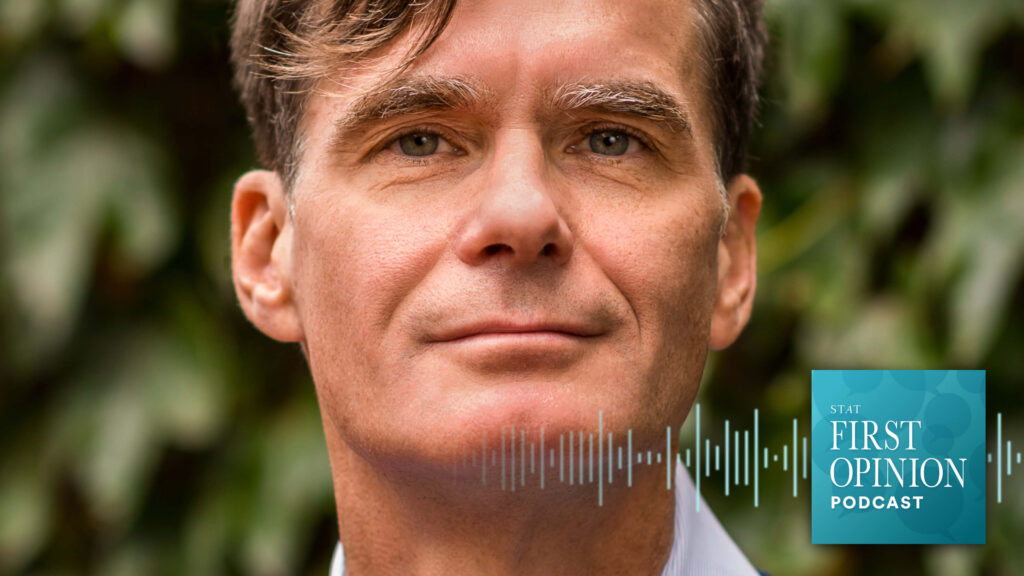
The landscape of dementia care is undergoing a significant transformation, as advancements in diagnostics and treatment options emerge. According to Jason Karlawish, a prominent figure in the field and a professor of medicine at the University of Pennsylvania, this revolution is just beginning. With improved methods for diagnosing dementia, healthcare providers can now offer more definitive answers and effective therapies.
In the late 1990s, Karlawish recalls that his role was limited primarily to providing diagnoses without many treatment options. “I gave them a diagnosis,” he remarked during a recent episode of the “First Opinion Podcast.” Fast forward to today, he notes a shift where many patients can receive both a clear diagnosis and therapies that can slow disease progression. This evolution marks a critical change in the way dementia is managed and perceived.
Karlawish, who also co-directs the Penn Memory Center and produces the “Age of Aging” podcast, emphasizes the diverse experiences of patients now compared to those he encountered in the late 20th and early 21st centuries. Each individual’s journey with dementia is unique, reflecting the nuances of their specific conditions. As he articulated in his column for STAT, this phenomenon represents the “democratization of dementia,” where advancements are accessible to a broader range of patients.
Addressing the U.S. Medical System’s Challenges
Despite these advancements, Karlawish identifies a pressing challenge: the U.S. medical system must adapt to integrate these new diagnostics and treatments effectively. The urgent need for healthcare systems to keep pace with innovations in dementia care is crucial for improving patient outcomes.
The advancements in understanding and treating dementia are profound, with research and clinical practices evolving rapidly. With the promise of more effective therapies on the horizon, the focus now shifts to ensuring that these innovations become standard practice across healthcare settings.
Furthermore, healthcare providers must engage in continuous education and training to ensure they are equipped to implement these new tools in their practice. The revolution in dementia care is not solely about the treatments themselves, but also about how healthcare professionals approach and communicate with their patients.
As this new era of dementia care unfolds, it is essential for both patients and healthcare providers to remain informed and proactive. By embracing these advancements and advocating for their integration into the healthcare system, stakeholders can significantly enhance the quality of life for individuals living with dementia.
Listeners interested in a deeper exploration of these topics can tune in to the “First Opinion Podcast” available on platforms like Apple Podcasts and Spotify. Additionally, subscribing to the “First Opinion Podcast” newsletter provides updates on new episodes, ensuring that audiences stay informed on the latest developments in healthcare and medical ethics.
The ongoing advancements in dementia care signify a hopeful future for patients and their families, reflecting a commitment to improving lives through science and compassionate care.

Oreo to Launch Zero-Sugar Cookies in 2026, Reports Confirm

Munson Holiday Art Market Kicks Off Dec. 11-12 with Festivities

Chico State Students De-Stress with Ramen and Quilt Crafting

ECB Boosts Growth Estimates Amid Concerns Over U.S. Agriculture

Fraser Olender Recovers After Heart Attack Linked to Vaping

Study Reveals Dual Use of Cigarettes and Vapes Aids Quitting

Dagwood’s Iconic Sandwich Recipe Revived: A Culinary Journey

Reddit Users Expose Shocking Industry Secrets Across Professions

Radboud Chemists Innovate with Robots for Bio-Based Material Transition

Urgent Update: Tom Aspinall’s Vision Deteriorates After UFC 321

University of Hawaiʻi Joins $25.6M AI Project to Enhance Disaster Monitoring

MIT Scientists Uncover Surprising Genomic Loops During Cell Division

AI Disruption: AWS Faces Threat as Startups Shift Cloud Focus

Time Crystals Revolutionize Quantum Computing Potential

Discover the Full Map of Pokémon Legends: Z-A’s Lumiose City

Parenthood Set to Depart Hulu: What Fans Need to Know

Judge Signals Dismissal of Chelsea Housing Case Citing AI Flaws

Honeywell Forecasts Record Business Jet Deliveries Over Next Decade
-
 Top Stories1 month ago
Urgent Update: Tom Aspinall’s Vision Deteriorates After UFC 321
-
Science1 month ago
University of Hawaiʻi Joins $25.6M AI Project to Enhance Disaster Monitoring
-
 Health2 months ago
MIT Scientists Uncover Surprising Genomic Loops During Cell Division
-
 Top Stories2 months ago
AI Disruption: AWS Faces Threat as Startups Shift Cloud Focus
-
 Science2 months ago
Time Crystals Revolutionize Quantum Computing Potential
-
 Entertainment2 months ago
Discover the Full Map of Pokémon Legends: Z-A’s Lumiose City
-
 Entertainment2 months ago
Parenthood Set to Depart Hulu: What Fans Need to Know
-
 Politics2 months ago
Judge Signals Dismissal of Chelsea Housing Case Citing AI Flaws
-
 World2 months ago
Honeywell Forecasts Record Business Jet Deliveries Over Next Decade
-

 Top Stories2 months ago
GOP Faces Backlash as Protests Surge Against Trump Policies
-

 Health2 months ago
Maine Insurers Cut Medicare Advantage Plans Amid Cost Pressures
-

 Sports2 months ago
Yoshinobu Yamamoto Shines in Game 2, Leading Dodgers to Victory