
Lifestyle
Celebrated NY Times Reporter John Noble Wilford Passes Away at 92

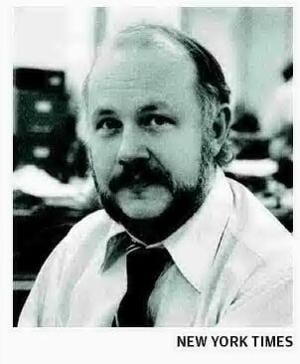
John Noble Wilford, a renowned science reporter for The New York Times, passed away at the age of 92. His career spanned decades, during which he became a prominent voice in science journalism. Wilford is particularly remembered for his enthusiastic coverage of the United States’ first moon landing on July 20, 1969, an event that captivated the world.
Wilford’s reporting on the Apollo 11 mission showcased not only his journalistic skill but also his profound interest in space exploration. He approached the moon landing with a sense of wonder, often comparing his experience to that of a fellow astronaut witnessing the historic moment alongside Neil Armstrong. His work brought the extraordinary event into the homes of millions, helping to shape public understanding of space science.
Recognition and Legacy
Throughout his career, Wilford received numerous accolades, including the prestigious Pulitzer Prize for his insightful reporting. His contributions extended beyond the moon landing, encompassing a wide range of topics in science and technology. Colleagues and readers alike respected his ability to translate complex scientific concepts into accessible narratives.
Wilford’s legacy endures not only through his written work but also through the inspiration he provided to future generations of science journalists. His commitment to accuracy and clarity set a standard in the field, encouraging aspiring reporters to adopt a similar approach.
In addition to his journalistic achievements, Wilford authored several books that explored themes of space and science. His writing often reflected his deep curiosity about the universe, as well as his belief in the importance of scientific literacy in society.
Life and Career
Born in 1931, Wilford developed an interest in journalism early in life. He joined The New York Times in 1955, where he would spend the majority of his career. His reporting style combined rigor with a sense of adventure, drawing readers into the stories he told.
Wilford’s coverage of the Apollo missions was marked by a sense of urgency and excitement. His articles provided context for the monumental achievements of NASA, making the technical aspects of space exploration accessible to the general public. As he reported on the events leading up to the moon landing, his enthusiasm shone through, making readers feel as if they were part of the journey.
After his retirement, Wilford continued to engage with the scientific community, participating in discussions and lectures about space exploration. His enduring passion for science and journalism left a significant mark on the field, inspiring many to follow in his footsteps.
The world of journalism mourns the loss of John Noble Wilford, a giant in the field whose work transcended the boundaries of traditional reporting. His unique ability to convey the wonders of science will be remembered for years to come.

Philadelphia Parks Launch Free Earth Month Events Starting April 1

Bradford’s Fish Fry Fridays Serve Community with Delicious Dinners

Trump Faces Growing Challenges Amid Rising Tensions with Iran

Scientists Probe the Universe’s Missing Topological Defects

Samsung Galaxy Watch 9 to Feature Larger 435mAh Battery

UConn Huskies Aim to Defend Title in 2026 NCAA Women’s Tournament

U.S. Littoral Combat Ships Dock in Malaysia Amid Regional Tensions

Healthy Choice Wellness Reports Quarterly Earnings, Shares Rise

Urgent News: Charles M. Payment Passes Away at 78 in Duluth

University of Hawaiʻi Joins $25.6M AI Project to Enhance Disaster Monitoring

Major Grant Enhances Cancer Care and Research in Hawaiʻi

Joleen Chaney, Beloved Journalist, Passes Leaving Lasting Legacy

San Francisco’s SFO to Welcome 16 Airlines with Nonstop Flights to Europe in 2026

Goldman Sachs Unveils 2026 Catalyst Playbook for Biotech Investors

Discover Top Business Smartphones for Professionals in 2026

Urgent Update: Tom Aspinall’s Vision Deteriorates After UFC 321

Texas Roadhouse Honors Veterans with Free Meal Vouchers

CD Projekt Red Confirms No Release for The Witcher 4 in 2026
-
Science9 months ago
University of Hawaiʻi Joins $25.6M AI Project to Enhance Disaster Monitoring
-
 Health8 months ago
Major Grant Enhances Cancer Care and Research in Hawaiʻi
-
 Top Stories9 months ago
Joleen Chaney, Beloved Journalist, Passes Leaving Lasting Legacy
-
 World7 months ago
San Francisco’s SFO to Welcome 16 Airlines with Nonstop Flights to Europe in 2026
-
 Business8 months ago
Goldman Sachs Unveils 2026 Catalyst Playbook for Biotech Investors
-
 Business7 months ago
Discover Top Business Smartphones for Professionals in 2026
-
 Top Stories9 months ago
Urgent Update: Tom Aspinall’s Vision Deteriorates After UFC 321
-
 Lifestyle9 months ago
Texas Roadhouse Honors Veterans with Free Meal Vouchers
-
 Entertainment8 months ago
CD Projekt Red Confirms No Release for The Witcher 4 in 2026
-

 Top Stories10 months ago
AI Disruption: AWS Faces Threat as Startups Shift Cloud Focus
-

 Health10 months ago
MIT Scientists Uncover Surprising Genomic Loops During Cell Division
-

 Entertainment10 months ago
Discover the Full Map of Pokémon Legends: Z-A’s Lumiose City