
Health
Trump Administration Announces $12 Billion Savings in Medicare Drug Costs

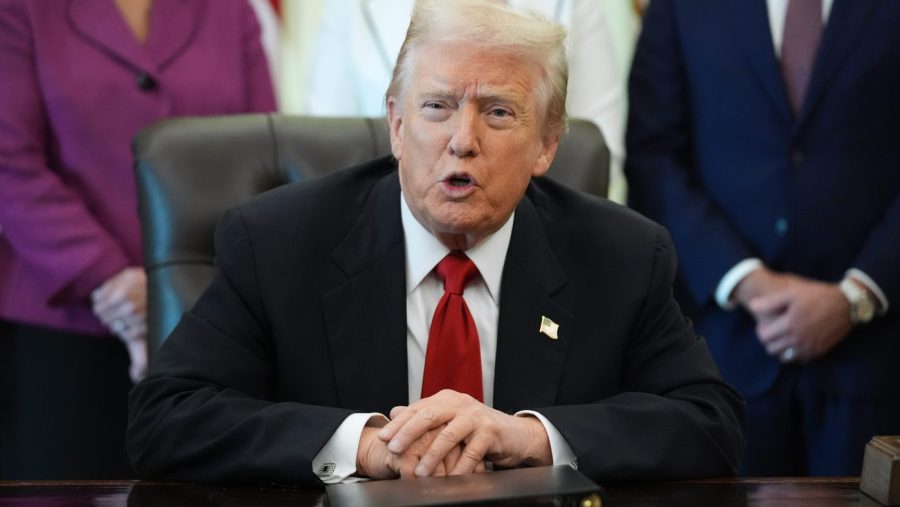
The Trump administration has announced a significant reduction in Medicare drug prices, revealing that the program has achieved savings of approximately $12 billion compared to the previous year. This announcement pertains to 15 prescription drugs that were included in the latest round of price negotiations under Medicare, which provides health coverage for millions of Americans aged 65 and older.
During a press briefing on March 15, 2024, officials from the U.S. Department of Health and Human Services highlighted that this initiative aims to lower out-of-pocket costs for beneficiaries and ensure more affordable access to essential medications. The administration’s focus on drug pricing reform has been a cornerstone of its healthcare policy, reflecting ongoing efforts to address the rising costs associated with prescription drugs in the United States.
The selected drugs, which include treatments for chronic conditions and cancer, have seen price reductions thanks to negotiations that the administration initiated last year. This strategy is a part of a broader plan to enhance the sustainability of Medicare while providing financial relief to millions of beneficiaries who rely on these medications.
In further detail, officials noted that the Centers for Medicare & Medicaid Services (CMS) will continue monitoring the effectiveness of these price negotiations. The goal is not only to reduce costs but also to improve the overall quality of care that Medicare recipients receive. By implementing these savings, the administration aims to foster a more competitive pharmaceutical market, ultimately benefiting patients.
The Trump administration has faced scrutiny over its healthcare policies, particularly regarding the affordability of medications. Nevertheless, this announcement has been met with optimism from advocates who argue that reducing drug prices is essential for improving public health outcomes. The administration’s commitment to price negotiations represents a significant shift in how the U.S. approaches pharmaceutical costs.
Health economists suggest that while the $12 billion savings is a notable achievement, ongoing efforts will be necessary to maintain momentum in addressing drug pricing. The administration’s approach is expected to influence discussions on healthcare reform as the political landscape evolves, particularly with the upcoming elections in mind.
As the administration continues to promote these developments, beneficiaries and healthcare stakeholders will be watching closely to see how these changes impact real-world access to medications. The success of this initiative could serve as a model for future policy decisions aimed at further reducing healthcare costs for Americans.

South Korea Strengthens FX Oversight in Urgent Market Stabilization

U.S. Climate Stance Sparks Global Call for Action and Tariffs

Cyber Monday Mattress Deals: Save Up to 59% Today Only!

Razorbacks Suffer Defeat Against Duke, Eye Louisville Showdown

Swiss Residents Reject 50% Inheritance Tax on Wealthy Citizens

Texas Oil Firm Fights California to Restart Offshore Platforms

Alexander Skarsgård Celebrates British Cinema at BIFA 2025

GOP Faces Urgent Deadline to Decide on Affordable Care Act Funding

Stay Organized This Holiday Season with the Midea Air Fryer

Urgent Update: Tom Aspinall’s Vision Deteriorates After UFC 321

MIT Scientists Uncover Surprising Genomic Loops During Cell Division

University of Hawaiʻi Joins $25.6M AI Project to Enhance Disaster Monitoring

AI Disruption: AWS Faces Threat as Startups Shift Cloud Focus

Time Crystals Revolutionize Quantum Computing Potential

Honeywell Forecasts Record Business Jet Deliveries Over Next Decade

Discover the Full Map of Pokémon Legends: Z-A’s Lumiose City

GOP Faces Backlash as Protests Surge Against Trump Policies

Parenthood Set to Depart Hulu: What Fans Need to Know
-
 Top Stories1 month ago
Urgent Update: Tom Aspinall’s Vision Deteriorates After UFC 321
-
 Health1 month ago
MIT Scientists Uncover Surprising Genomic Loops During Cell Division
-
Science4 weeks ago
University of Hawaiʻi Joins $25.6M AI Project to Enhance Disaster Monitoring
-
 Top Stories1 month ago
AI Disruption: AWS Faces Threat as Startups Shift Cloud Focus
-
 Science2 months ago
Time Crystals Revolutionize Quantum Computing Potential
-
 World2 months ago
Honeywell Forecasts Record Business Jet Deliveries Over Next Decade
-
 Entertainment1 month ago
Discover the Full Map of Pokémon Legends: Z-A’s Lumiose City
-
 Top Stories1 month ago
GOP Faces Backlash as Protests Surge Against Trump Policies
-
 Entertainment2 months ago
Parenthood Set to Depart Hulu: What Fans Need to Know
-

 Politics2 months ago
Judge Signals Dismissal of Chelsea Housing Case Citing AI Flaws
-

 Sports2 months ago
Yoshinobu Yamamoto Shines in Game 2, Leading Dodgers to Victory
-

 Health2 months ago
Maine Insurers Cut Medicare Advantage Plans Amid Cost Pressures