
Lifestyle
Discover Your Birth Month Fruit Tree: A Year-Round Connection

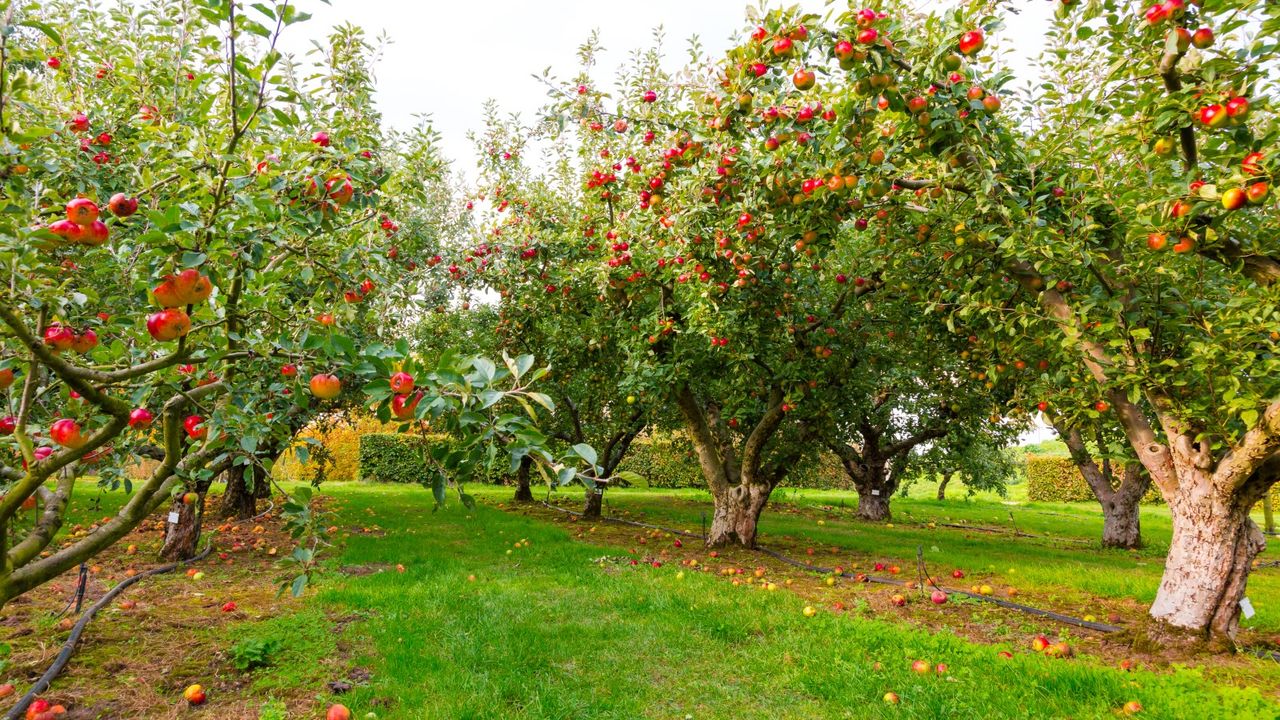
The concept of associating fruit trees with birth months offers a unique way to connect with nature throughout the year. Each month features a specific fruit tree that is in bloom or bearing fruit, providing a personal touch to gardening or gifting. This seasonal approach not only celebrates the beauty of nature but also creates lasting memories for those who cultivate or receive these trees.
January to June: Winter and Spring Blooms
Beginning with January, the birth month fruit tree is the orange. In warmer regions such as the Mediterranean and Florida, orange trees are abundant with bright fruit at the start of the year. When harvesting oranges, it is crucial to ensure they are fully ripe, as they do not continue to ripen after being picked. For those in colder climates, indoor orange trees can flourish with adequate sunlight and humidity, making them ideal houseplants.
In February, the almond tree takes center stage. Known for its early blossoms, the almond tree showcases stunning pink and white flowers. Thriving in US hardiness zones 7-9, these trees are often found in California during their peak bloom from February to March. Individuals looking to plant an almond tree should consider doing so in the fall to allow for proper establishment.
March brings the plum tree, adorned with delicate blossoms just as spring begins. Plum trees are known for their striking white, pink, and red flowers, and they can be grown successfully across US hardiness zones 3-8. Proper care, including pruning and fertilization, is essential for encouraging fruit production.
As April arrives, cherry trees capture attention with their iconic blossoms. The flowering cherry tree, especially the Japanese variety, is relatively low-maintenance and offers a breathtaking display. It is important to note that these trees generally produce sour fruit, which is not ideal for consumption. For sweet cherries, growers should seek out fruit-bearing varieties.
May features the apple tree, celebrated for its fragrant blossoms. These trees attract pollinators and can be found across various regions, including Arkansas and Michigan, where the apple industry thrives. Dwarf varieties are available for those with limited space, ensuring that everyone can enjoy the beauty of apple blossoms in their garden.
July to December: Summer Harvests and Autumn Colors
In June, mulberry trees prepare to offer ripe fruit, showcasing glossy leaves and clusters of berries. Hardy across zones 4-10, these trees can be grown in pots, making them suitable for patios. Regular pruning in late winter promotes healthy growth.
The peach tree is the fruit tree associated with July, coinciding with the peak of peach harvest season. The sweet aroma and distinct color of ripe peaches signal their readiness for picking. Aspiring peach growers may want to consider greenhouse cultivation to create optimal growing conditions and protect against pests.
August is the time for figs, which ripen in the late summer heat. These trees thrive in zones 7-10, but careful attention to watering and fertilization is necessary to avoid root rot. Fig starter plants are available for those eager to grow their own.
September introduces a more unique choice: the medlar tree. Known for its unusual fruiting process, medlars appear to be overripe before they are ready to eat. This tree transitions into vibrant autumn colors, making it an appealing addition to any garden.
October is busy with the harvesting of pears. These trees flourish in zones 4-9 and should be picked when they lighten in color and yield slightly to gentle pressure. To enhance fruit production, using potassium-rich fertilizers can be beneficial.
In November, pomegranates shine with their bright red fruits, ready for harvest. To grow pomegranates from seed, it is essential to clean the seeds thoroughly and provide well-draining soil and ample sunlight. Pomegranate seeds and trees can be sourced from various gardening suppliers.
Finally, December highlights the olive tree, which is typically harvested from late fall into early winter in Mediterranean regions. Although challenging to grow in milder climates, olive trees can be cultivated indoors as ornamental plants, although they may not produce fruit without specific outdoor conditions.
For those looking to create a personal connection with nature, cultivating a birth month fruit tree can be a rewarding endeavor. Whether as a gift or a personal project, these trees offer beauty, flavor, and a sense of continuity throughout the year.

Japan’s PM Takaichi Vows Urgent Fiscal Management Amid Rate Trends

Bitcoin Plummets Below $88K Amid Tether Concerns and Warnings

Tottenville Falls Short in PSAL 4A Title Game Against Erasmus

Shark Teeth Study Reveals Urgent Clues to Prevent Extinction

Church Members Rally Together After Thanksgiving Fire Devastation

U.S. Investment in Canadian Energy Firms Surges Despite Low Oil Prices

Nick Jonas Unveils New Solo Album ‘Sunday Best’ Set for February Release

Researchers Urge Label Changes for Low-Alcohol Drinks to Aid Pregnant Women

Wedding Cookie Table Community Aims for World’s Largest Cookie Exchange

Urgent Update: Tom Aspinall’s Vision Deteriorates After UFC 321

MIT Scientists Uncover Surprising Genomic Loops During Cell Division

University of Hawaiʻi Joins $25.6M AI Project to Enhance Disaster Monitoring

AI Disruption: AWS Faces Threat as Startups Shift Cloud Focus

Time Crystals Revolutionize Quantum Computing Potential

Honeywell Forecasts Record Business Jet Deliveries Over Next Decade

Discover the Full Map of Pokémon Legends: Z-A’s Lumiose City

GOP Faces Backlash as Protests Surge Against Trump Policies

Parenthood Set to Depart Hulu: What Fans Need to Know
-
 Top Stories1 month ago
Urgent Update: Tom Aspinall’s Vision Deteriorates After UFC 321
-
 Health1 month ago
MIT Scientists Uncover Surprising Genomic Loops During Cell Division
-
Science4 weeks ago
University of Hawaiʻi Joins $25.6M AI Project to Enhance Disaster Monitoring
-
 Top Stories1 month ago
AI Disruption: AWS Faces Threat as Startups Shift Cloud Focus
-
 Science2 months ago
Time Crystals Revolutionize Quantum Computing Potential
-
 World2 months ago
Honeywell Forecasts Record Business Jet Deliveries Over Next Decade
-
 Entertainment1 month ago
Discover the Full Map of Pokémon Legends: Z-A’s Lumiose City
-
 Top Stories2 months ago
GOP Faces Backlash as Protests Surge Against Trump Policies
-
 Entertainment2 months ago
Parenthood Set to Depart Hulu: What Fans Need to Know
-

 Politics2 months ago
Judge Signals Dismissal of Chelsea Housing Case Citing AI Flaws
-

 Sports2 months ago
Yoshinobu Yamamoto Shines in Game 2, Leading Dodgers to Victory
-

 Health2 months ago
Maine Insurers Cut Medicare Advantage Plans Amid Cost Pressures