
Politics
Immigration Enforcement Disrupts Child Care Workforce, New Report Finds

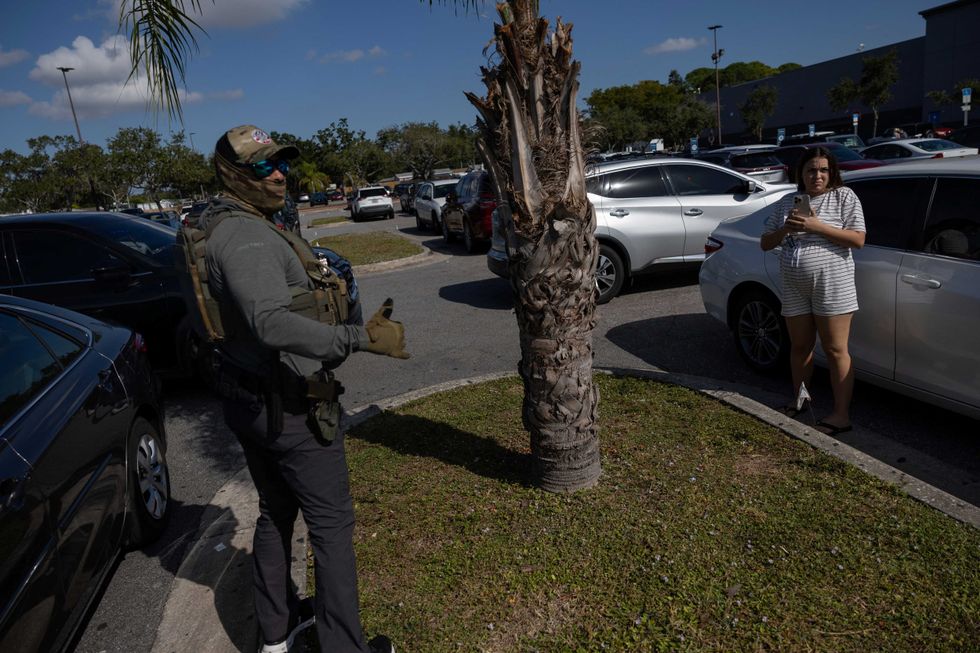
Increased immigration enforcement under the Trump administration has significantly impacted the child care industry in the United States, according to a recent report from New America, a Washington-based think tank. The report, titled “The Impact of Increased ICE Activity on the Child Care Workforce and Mothers’ Employment,” highlights that between January 2025 and July 2025, approximately 77,000 U.S.-born mothers with children aged 0 to 5 exited the workforce due to rising fears associated with immigration enforcement.
The report reveals that mothers’ labor force participation dropped by 3 percent during this period. Furthermore, the child care sector, which employs a significant number of immigrants, saw a decline of 39,000 foreign-born workers. According to report author Chris Herbst, a professor at Arizona State University, the chilling effect of increased enforcement has created a situation where both immigrant and native-born workers feel the repercussions.
“The rise in immigration enforcement has made it more difficult for foreign-born workers to carry out their jobs,” Herbst stated. “As a result, native-born counterparts who rely on these immigrant workers are also facing challenges in their roles.” Despite the majority of foreign-born child care workers being in the United States legally, the fear of deportation has led to a hesitance to remain in the industry, exacerbated by recent high-profile incidents, such as the detention of a daycare worker in Chicago last month.
The report further notes a “notable” decrease in the number of Hispanic or Mexican U.S.-born individuals within the child care sector. “These individuals should not be afraid of ICE,” Herbst emphasized, “yet they are leaving the industry due to the pervasive atmosphere of fear.”
Evidence of Labor Market Disruption
Herbst described the report as one of the first empirical investigations into the labor market consequences of recent immigration enforcement actions. He argued that the timing is critical, given that employment statistics for child care workers and mothers of preschool-aged children are essential in the context of heightened enforcement. The research utilized employment data from the Current Population Survey and ICE arrest statistics from the Deportation Data Project.
The findings indicate that workers in child care centers, as opposed to those in private homes, are more susceptible to the impacts of immigration enforcement. “The center-based sector represents the formal workforce,” Herbst explained. “These workers may feel more exposed due to their tax obligations and the potential for unannounced visits from state regulators.”
Many workers are reportedly seeking refuge in less visible roles, moving from child care centers to private households as a strategy to feel more secure. This shift underscores the pervasive “fear and confusion” created by ICE activities, which may disproportionately affect those employed in more formal settings.
Future Implications and Policy Discussions
Herbst cautioned that the report’s findings may underestimate the full extent of the effects of ICE arrests on both child care workers and mothers. He hopes it will foster a broader conversation about the trade-offs linked to current immigration policies. “The administration has discussed various benefits of increased enforcement, but we have yet to fully address the potential downsides,” he stated.
With ICE receiving over $170 billion in funding for enhanced enforcement activities over the next four years, Herbst emphasized the importance of continued research into the implications of these policies. He anticipates that the disruptive effects of heightened immigration enforcement on mothers and child care workers will become increasingly pronounced in the coming months.
“Individuals are experiencing an unprecedented level of fear and confusion in this environment,” he concluded. As the conversation surrounding immigration and its impact on various sectors continues, it is crucial for policymakers and the public to consider the broader implications of enforcement actions on vulnerable communities.

Free Mrs. Claus for a Cause Event Returns to Montrose Dec. 19-21

Putin Offers Security Guarantees for Ukraine in Urgent Talks

Secretary Noem Faces Intense Scrutiny Over Immigration Policies

Icotrokinra Outperforms Deucravacitinib in Psoriasis Trials

Giants Exit Winter Meetings with Limited Progress on Roster

US Seizes Oil Tanker Off Venezuela, Maduro Calls It Piracy

Joker Takes Over Batman’s Iconic Manor in Shocking Twist

Homeland Security Secretary Noem Faces Intense Scrutiny Today

Joker Claims Batman’s Manor in Shocking New Comic Twist

Urgent Update: Tom Aspinall’s Vision Deteriorates After UFC 321

University of Hawaiʻi Joins $25.6M AI Project to Enhance Disaster Monitoring

MIT Scientists Uncover Surprising Genomic Loops During Cell Division

AI Disruption: AWS Faces Threat as Startups Shift Cloud Focus

Time Crystals Revolutionize Quantum Computing Potential

Discover the Full Map of Pokémon Legends: Z-A’s Lumiose City

Parenthood Set to Depart Hulu: What Fans Need to Know

GOP Faces Backlash as Protests Surge Against Trump Policies

Judge Signals Dismissal of Chelsea Housing Case Citing AI Flaws
-
 Top Stories1 month ago
Urgent Update: Tom Aspinall’s Vision Deteriorates After UFC 321
-
Science1 month ago
University of Hawaiʻi Joins $25.6M AI Project to Enhance Disaster Monitoring
-
 Health2 months ago
MIT Scientists Uncover Surprising Genomic Loops During Cell Division
-
 Top Stories2 months ago
AI Disruption: AWS Faces Threat as Startups Shift Cloud Focus
-
 Science2 months ago
Time Crystals Revolutionize Quantum Computing Potential
-
 Entertainment2 months ago
Discover the Full Map of Pokémon Legends: Z-A’s Lumiose City
-
 Entertainment2 months ago
Parenthood Set to Depart Hulu: What Fans Need to Know
-
 Top Stories2 months ago
GOP Faces Backlash as Protests Surge Against Trump Policies
-
 Politics2 months ago
Judge Signals Dismissal of Chelsea Housing Case Citing AI Flaws
-

 World2 months ago
Honeywell Forecasts Record Business Jet Deliveries Over Next Decade
-

 Health2 months ago
Maine Insurers Cut Medicare Advantage Plans Amid Cost Pressures
-

 Sports2 months ago
Yoshinobu Yamamoto Shines in Game 2, Leading Dodgers to Victory