
Politics
Lawmakers Demand Accountability as Admiral Briefs on Navy Strikes

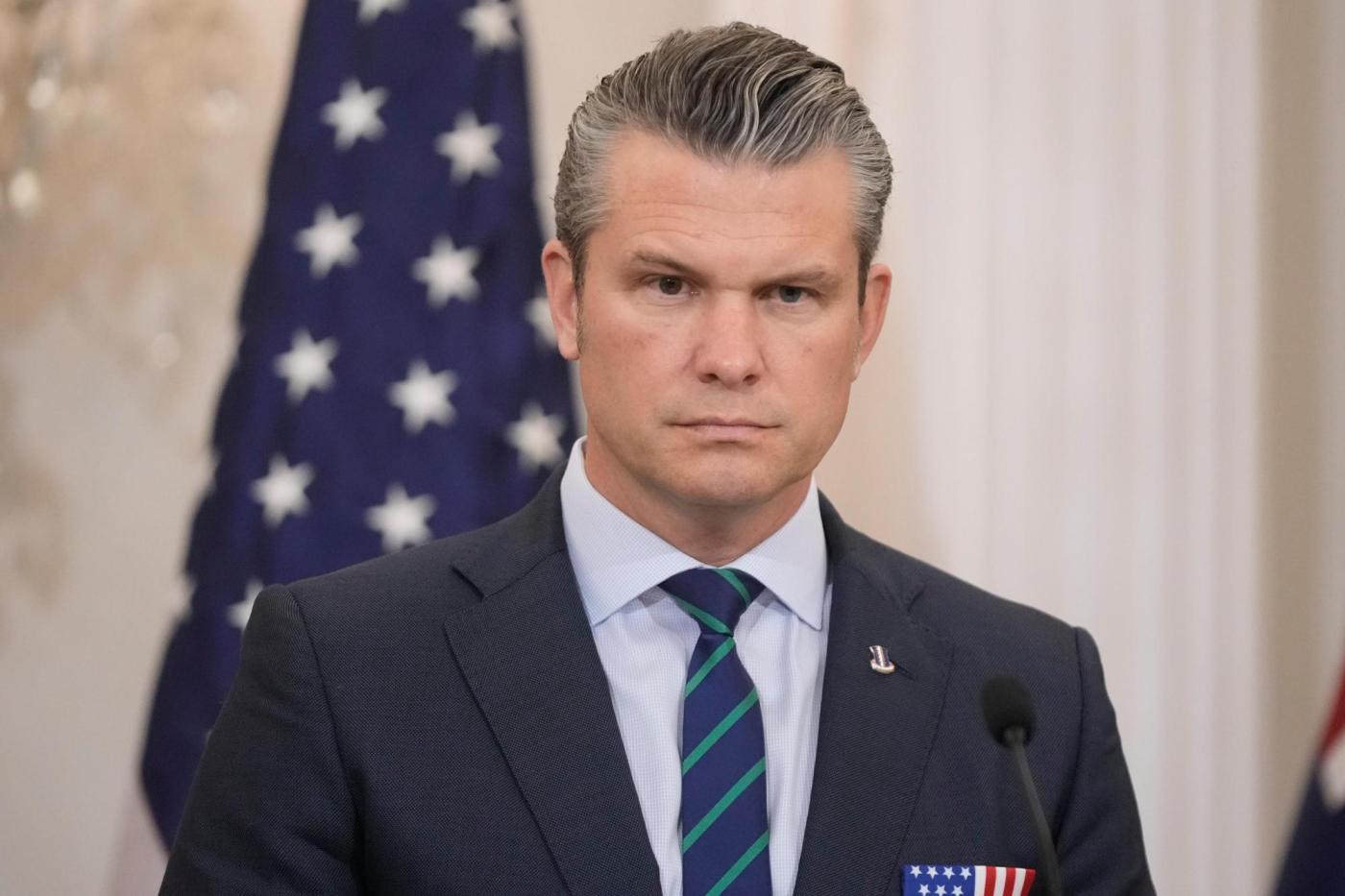
The U.S. Navy admiral overseeing operations against vessels allegedly transporting drugs near Venezuela testified before key lawmakers on September 2, 2023, amid growing scrutiny of military actions that resulted in civilian casualties. Adm. Alvin Holsey, who is set to retire from his position as head of U.S. Southern Command, addressed members of the Senate Armed Services Committee during a classified video call that highlighted concerns surrounding the legality and effectiveness of the Navy’s operations.
Congressional leaders, including Sen. Roger Wicker, the committee’s Republican chair, emphasized the need for comprehensive oversight regarding the strikes. Lawmakers are particularly focused on the reported deaths of two survivors during an operation, an incident that raises questions about the adherence to legal standards in military engagements. Wicker described Holsey as a “great public servant” but did not disclose specifics of the call.
Intense Scrutiny of Military Operations
In an effort to gather more information, Congress is demanding that the Department of Defense provide unedited video footage of the strikes and the legal orders authorizing them. This push for transparency is part of the annual defense authorization bill discussions. Wicker noted that the Pentagon is currently assessing whether any portions of the video contain classified material.
Legal experts are warning that the September 2 strike may have violated laws governing U.S. military use of deadly force. Sen. Chris Coons, a Democrat from Delaware, criticized the approach, arguing that the military’s resources are being misallocated to target small-scale drug operators instead of addressing the broader challenges posed by drug cartels.
The implications of Holsey’s insights could clarify the objectives behind President Donald Trump‘s campaign, which has resulted in 22 boat strikes and at least 87 fatalities since its inception. The administration has framed the operations as a response to a direct threat to American lives posed by drug trafficking.
Operational Dynamics and Legislative Responses
Trump has recently intensified military presence near Venezuela, deploying a fleet of warships, including the largest U.S. aircraft carrier. The president has linked drug smuggling to national security, asserting that current operations mirror tactics used in the global war on terror.
Lawmakers are also probing the intelligence used to justify these strikes. Reports suggest that the vessel targeted during the September 2 operation was headed south and was not directly bound for the United States. This revelation has prompted further questions about the decision-making process behind the strikes.
Sen. Thom Tillis, a Republican from North Carolina, called for full disclosure before forming conclusions about the operations. Tillis had previously expressed concern over the deaths of the survivors, indicating a need for accountability.
Trump defended the military actions, claiming the two suspected smugglers were attempting to recover part of the capsized boat when they were killed. However, Adm. Frank “Mitch” Bradley, the special operations commander, clarified in a closed-door briefing that the secondary strike was aimed at preventing cartel members from retrieving a shipment of cocaine from the vessel.
The ongoing discussions and investigations signal a critical moment for U.S. military policy in the region, as lawmakers seek to balance national security interests with ethical considerations in military engagements. The outcome of these inquiries may shape future strategies against drug trafficking and how military force is applied in similar contexts.

Oreo to Launch Zero-Sugar Cookies in 2026, Reports Confirm

Munson Holiday Art Market Kicks Off Dec. 11-12 with Festivities

Chico State Students De-Stress with Ramen and Quilt Crafting

ECB Boosts Growth Estimates Amid Concerns Over U.S. Agriculture

Fraser Olender Recovers After Heart Attack Linked to Vaping

Study Reveals Dual Use of Cigarettes and Vapes Aids Quitting

Dagwood’s Iconic Sandwich Recipe Revived: A Culinary Journey

Reddit Users Expose Shocking Industry Secrets Across Professions

Radboud Chemists Innovate with Robots for Bio-Based Material Transition

Urgent Update: Tom Aspinall’s Vision Deteriorates After UFC 321

University of Hawaiʻi Joins $25.6M AI Project to Enhance Disaster Monitoring

MIT Scientists Uncover Surprising Genomic Loops During Cell Division

AI Disruption: AWS Faces Threat as Startups Shift Cloud Focus

Time Crystals Revolutionize Quantum Computing Potential

Discover the Full Map of Pokémon Legends: Z-A’s Lumiose City

Parenthood Set to Depart Hulu: What Fans Need to Know

GOP Faces Backlash as Protests Surge Against Trump Policies

Judge Signals Dismissal of Chelsea Housing Case Citing AI Flaws
-
 Top Stories1 month ago
Urgent Update: Tom Aspinall’s Vision Deteriorates After UFC 321
-
Science1 month ago
University of Hawaiʻi Joins $25.6M AI Project to Enhance Disaster Monitoring
-
 Health2 months ago
MIT Scientists Uncover Surprising Genomic Loops During Cell Division
-
 Top Stories2 months ago
AI Disruption: AWS Faces Threat as Startups Shift Cloud Focus
-
 Science2 months ago
Time Crystals Revolutionize Quantum Computing Potential
-
 Entertainment2 months ago
Discover the Full Map of Pokémon Legends: Z-A’s Lumiose City
-
 Entertainment2 months ago
Parenthood Set to Depart Hulu: What Fans Need to Know
-
 Top Stories2 months ago
GOP Faces Backlash as Protests Surge Against Trump Policies
-
 Politics2 months ago
Judge Signals Dismissal of Chelsea Housing Case Citing AI Flaws
-

 World2 months ago
Honeywell Forecasts Record Business Jet Deliveries Over Next Decade
-

 Health2 months ago
Maine Insurers Cut Medicare Advantage Plans Amid Cost Pressures
-

 Sports2 months ago
Yoshinobu Yamamoto Shines in Game 2, Leading Dodgers to Victory