
Politics
Maine’s Question 1 Raises Concerns Over Voting Accessibility

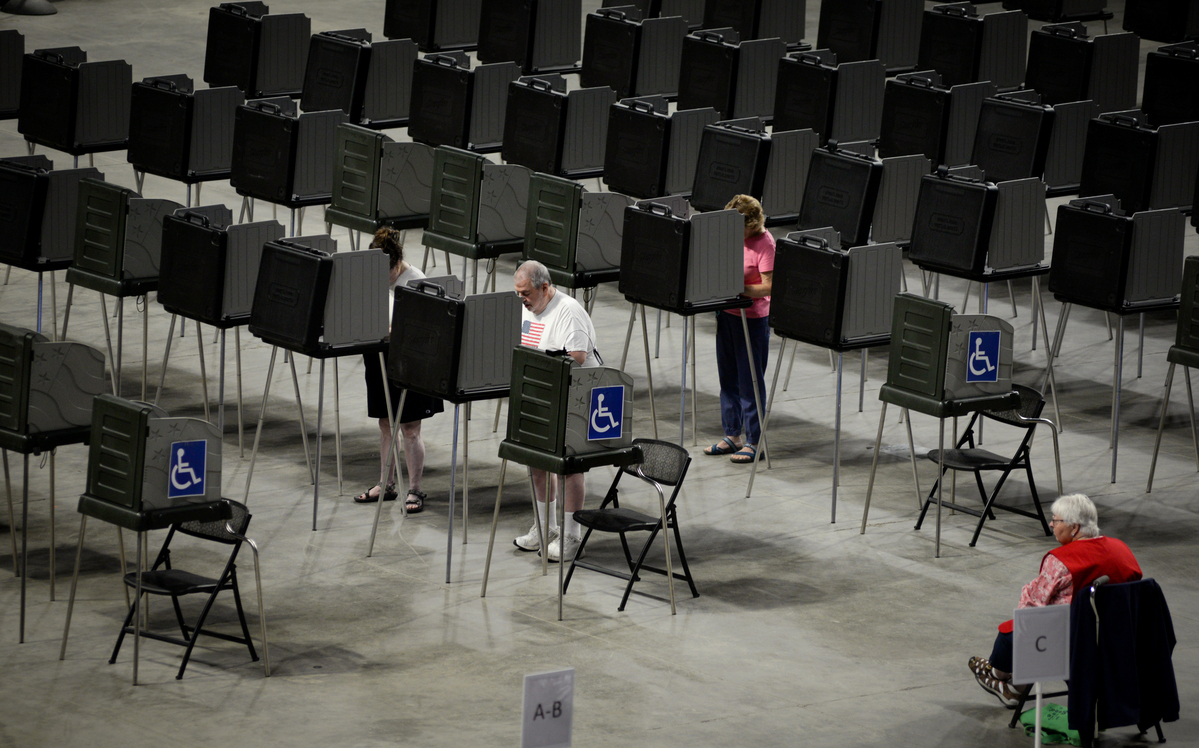
As voters in Maine prepare for the upcoming election on November 4, 2024, concerns are mounting regarding Question 1 on the ballot. Critics argue that the measure, presented as a necessary step to protect voting, may instead hinder access to the electoral process for many residents.
Opponents, including local resident Shelly Shapiro, assert that the proposed changes are not aimed at preventing fraud but rather at suppressing voter participation. Shapiro characterizes the initiative as a “voter suppression bill” that could create significant barriers for various groups, including the elderly, disabled individuals, and those reliant on absentee voting.
The specific provisions of Question 1 include the elimination of two days of absentee voting, a ban on requests for absentee ballots by phone or through family members, and the termination of ongoing absentee voter status for seniors and disabled citizens. Additionally, the proposal prohibits prepaid postage on absentee ballot return envelopes, limits the number of drop boxes available, and introduces new photo ID requirements for voters.
These changes, Shapiro argues, would disproportionately affect homebound seniors, individuals with disabilities, shift workers, and military personnel stationed overseas. The impact could be detrimental to voter turnout, particularly among populations that already face challenges in accessing the polls.
Furthermore, the wording of the ballot question raises concerns about potential future changes to election procedures. The phrase “other changes to our elections” suggests an open-ended clause that could allow for additional amendments without clear public scrutiny.
Shapiro urges voters to consider the implications of these changes on their communities and to vote “no” on Question 1. She emphasizes the need for an electoral process that is accessible and equitable for all Mainers.
As discussions continue around the implications of Question 1, the potential consequences for voting rights in Maine remain a topic of significant debate. The outcome of this measure could set a precedent for how voting is conducted in the state and may influence similar discussions across the country.
With the election date approaching, the urgency for voters to educate themselves on the implications of Question 1 is paramount. Many view this as a critical moment to protect the integrity and accessibility of the voting process in Maine.

Tottenville Falls Short in PSAL 4A Title Game Against Erasmus

Shark Teeth Study Reveals Urgent Clues to Prevent Extinction

Church Members Rally Together After Thanksgiving Fire Devastation

U.S. Investment in Canadian Energy Firms Surges Despite Low Oil Prices

Nick Jonas Unveils New Solo Album ‘Sunday Best’ Set for February Release

Researchers Urge Label Changes for Low-Alcohol Drinks to Aid Pregnant Women

Wedding Cookie Table Community Aims for World’s Largest Cookie Exchange

Mayor Appoints Alan Wong as New Supervisor for District 4

UK Report Reveals Growing Role of AI in University Research Assessments

Urgent Update: Tom Aspinall’s Vision Deteriorates After UFC 321

MIT Scientists Uncover Surprising Genomic Loops During Cell Division

University of Hawaiʻi Joins $25.6M AI Project to Enhance Disaster Monitoring

AI Disruption: AWS Faces Threat as Startups Shift Cloud Focus

Time Crystals Revolutionize Quantum Computing Potential

Honeywell Forecasts Record Business Jet Deliveries Over Next Decade

Discover the Full Map of Pokémon Legends: Z-A’s Lumiose City

GOP Faces Backlash as Protests Surge Against Trump Policies

Parenthood Set to Depart Hulu: What Fans Need to Know
-
 Top Stories1 month ago
Urgent Update: Tom Aspinall’s Vision Deteriorates After UFC 321
-
 Health1 month ago
MIT Scientists Uncover Surprising Genomic Loops During Cell Division
-
Science4 weeks ago
University of Hawaiʻi Joins $25.6M AI Project to Enhance Disaster Monitoring
-
 Top Stories1 month ago
AI Disruption: AWS Faces Threat as Startups Shift Cloud Focus
-
 Science2 months ago
Time Crystals Revolutionize Quantum Computing Potential
-
 World2 months ago
Honeywell Forecasts Record Business Jet Deliveries Over Next Decade
-
 Entertainment1 month ago
Discover the Full Map of Pokémon Legends: Z-A’s Lumiose City
-
 Top Stories2 months ago
GOP Faces Backlash as Protests Surge Against Trump Policies
-
 Entertainment2 months ago
Parenthood Set to Depart Hulu: What Fans Need to Know
-

 Politics2 months ago
Judge Signals Dismissal of Chelsea Housing Case Citing AI Flaws
-

 Sports2 months ago
Yoshinobu Yamamoto Shines in Game 2, Leading Dodgers to Victory
-

 Health2 months ago
Maine Insurers Cut Medicare Advantage Plans Amid Cost Pressures