
Politics
New Travel Regulations May Require Social Media Data for Visa-Free Visitors

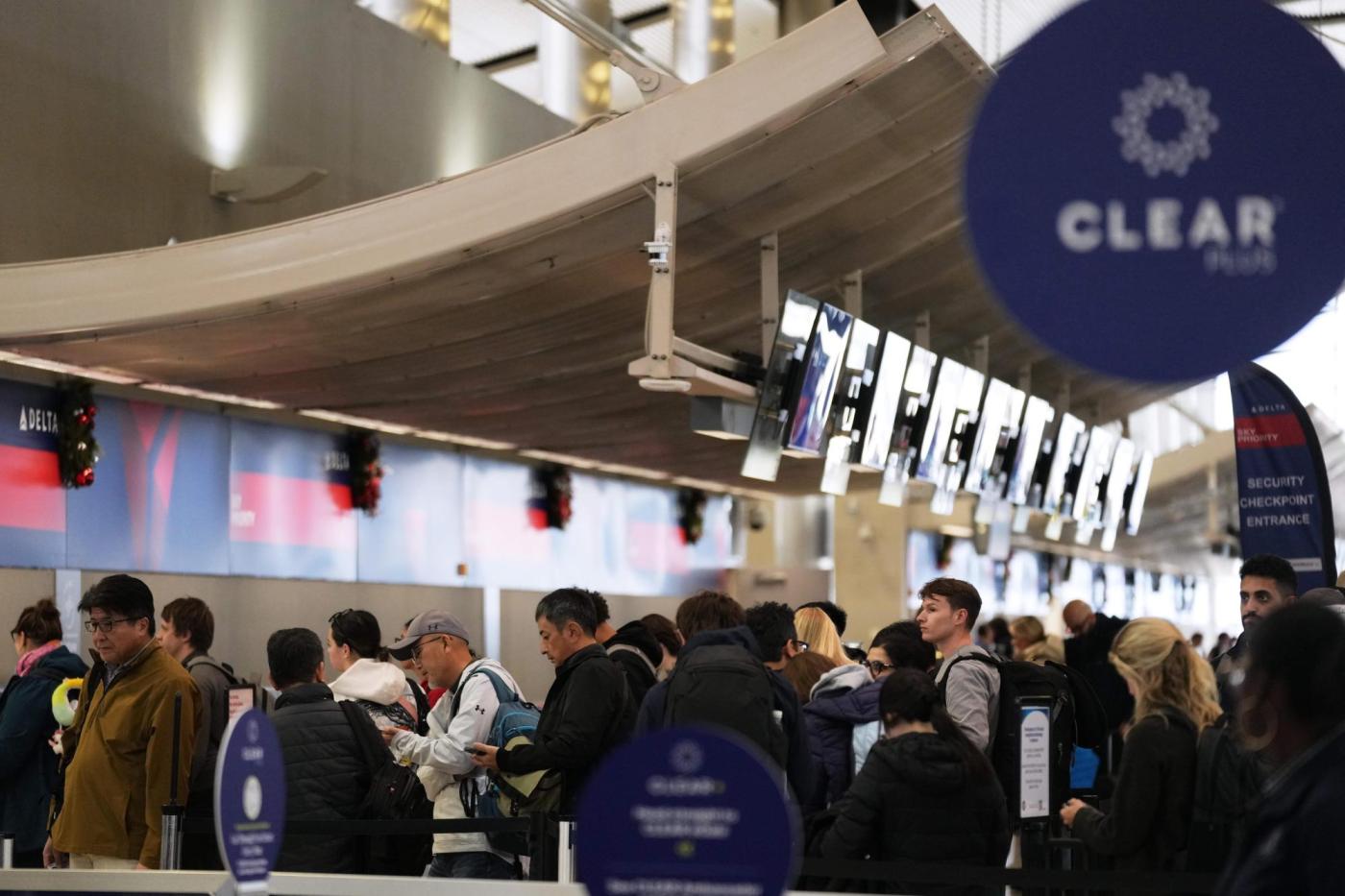
Foreign travelers eligible for visa-free entry into the United States may soon face new requirements involving the submission of social media information and extensive personal data. The proposed changes, which could affect individuals from over three dozen countries, were outlined in a notice published on March 15, 2024, in the Federal Register by the Department of Homeland Security (DHS).
The new regulations would mandate that travelers participating in the Visa Waiver Program provide up to five years of social media history along with their email accounts and detailed family information before gaining approval to travel. This initiative follows increased scrutiny of international travelers under the previous administration and aims to enhance national security measures.
Details of the Proposed Changes
Currently, travelers from approximately 40 countries in Europe and Asia can enter the U.S. for tourism or business for up to three months without a visa. These travelers use the Electronic System for Travel Authorization (ESTA), which typically involves a streamlined application process without the need for an embassy interview. The proposed changes aim to enhance this process by requesting additional information, including phone numbers used over the past five years, email addresses from the last decade, and metadata from electronically submitted photographs.
In its announcement, Customs and Border Protection (CBP) indicated that extensive information about the applicant’s family members would also be collected, including their places of birth and contact numbers. The current ESTA application only requires basic details such as parents’ names and the applicant’s current email address.
The public has a 60-day window to comment on these proposed changes before they are finalized. CBP officials have not provided immediate responses to inquiries regarding the intent behind these new guidelines.
Context and Implications
This initiative aligns with an executive order signed by former President Donald Trump in January 2023, which called for more rigorous screening of individuals entering the U.S. The goal is to prevent potential national security threats, echoing ongoing efforts to enhance immigration controls.
Currently, travelers from countries outside the Visa Waiver Program already submit social media information as part of their travel applications, a policy that has continued under the Biden administration. However, visitors from visa-waiver countries have not previously been required to provide such data.
In recent months, the scrutiny of social media accounts has intensified, with applicants for visas now compelled to make their accounts public, allowing for thorough examination by authorities. Failure to comply can result in visa denials, as outlined by the State Department’s guidelines.
Concerns have been raised by immigration advocates regarding the implications of these heightened measures. Critics argue that the focus on social media could disproportionately affect individuals who express dissenting views, potentially infringing on free speech rights.
As the public comment period unfolds, the implications of these proposed changes will be closely monitored, with significant attention on how they may reshape the landscape of international travel to the United States.

Twins Conclude Productive Winter Meetings with Strategic Moves

U.S. Proposes Plan to Unlock Russian Funds, Igniting European Tensions

Vail Pass Sales Rise Slightly as Oxford Lowers Earnings Forecast

New Musical ‘Dypsy!’ Inspired by Gypsy Rose Blanchard Set for 2026

ProMedica Closes Flower Hospital Obstetrics Program, Staff Redirected

Local Veterans Groups Deliver Holiday Cheer to Troops

Local Moms Deliver Holiday Cheer to Troops Worldwide

Adobe Reports Strong Q3 Growth, Surpassing Expectations

NASA Loses Contact with Maven Mars Orbiter, Urgent Investigations Underway

Urgent Update: Tom Aspinall’s Vision Deteriorates After UFC 321

University of Hawaiʻi Joins $25.6M AI Project to Enhance Disaster Monitoring

MIT Scientists Uncover Surprising Genomic Loops During Cell Division

AI Disruption: AWS Faces Threat as Startups Shift Cloud Focus

Time Crystals Revolutionize Quantum Computing Potential

Discover the Full Map of Pokémon Legends: Z-A’s Lumiose City

Parenthood Set to Depart Hulu: What Fans Need to Know

Honeywell Forecasts Record Business Jet Deliveries Over Next Decade

Judge Signals Dismissal of Chelsea Housing Case Citing AI Flaws
-
 Top Stories1 month ago
Urgent Update: Tom Aspinall’s Vision Deteriorates After UFC 321
-
Science1 month ago
University of Hawaiʻi Joins $25.6M AI Project to Enhance Disaster Monitoring
-
 Health2 months ago
MIT Scientists Uncover Surprising Genomic Loops During Cell Division
-
 Top Stories2 months ago
AI Disruption: AWS Faces Threat as Startups Shift Cloud Focus
-
 Science2 months ago
Time Crystals Revolutionize Quantum Computing Potential
-
 Entertainment2 months ago
Discover the Full Map of Pokémon Legends: Z-A’s Lumiose City
-
 Entertainment2 months ago
Parenthood Set to Depart Hulu: What Fans Need to Know
-
 World2 months ago
Honeywell Forecasts Record Business Jet Deliveries Over Next Decade
-
 Politics2 months ago
Judge Signals Dismissal of Chelsea Housing Case Citing AI Flaws
-

 Top Stories2 months ago
GOP Faces Backlash as Protests Surge Against Trump Policies
-

 Sports2 months ago
Yoshinobu Yamamoto Shines in Game 2, Leading Dodgers to Victory
-

 Health2 months ago
Maine Insurers Cut Medicare Advantage Plans Amid Cost Pressures