
Politics
New U.S. Travel Rules Require Social Media History Disclosure

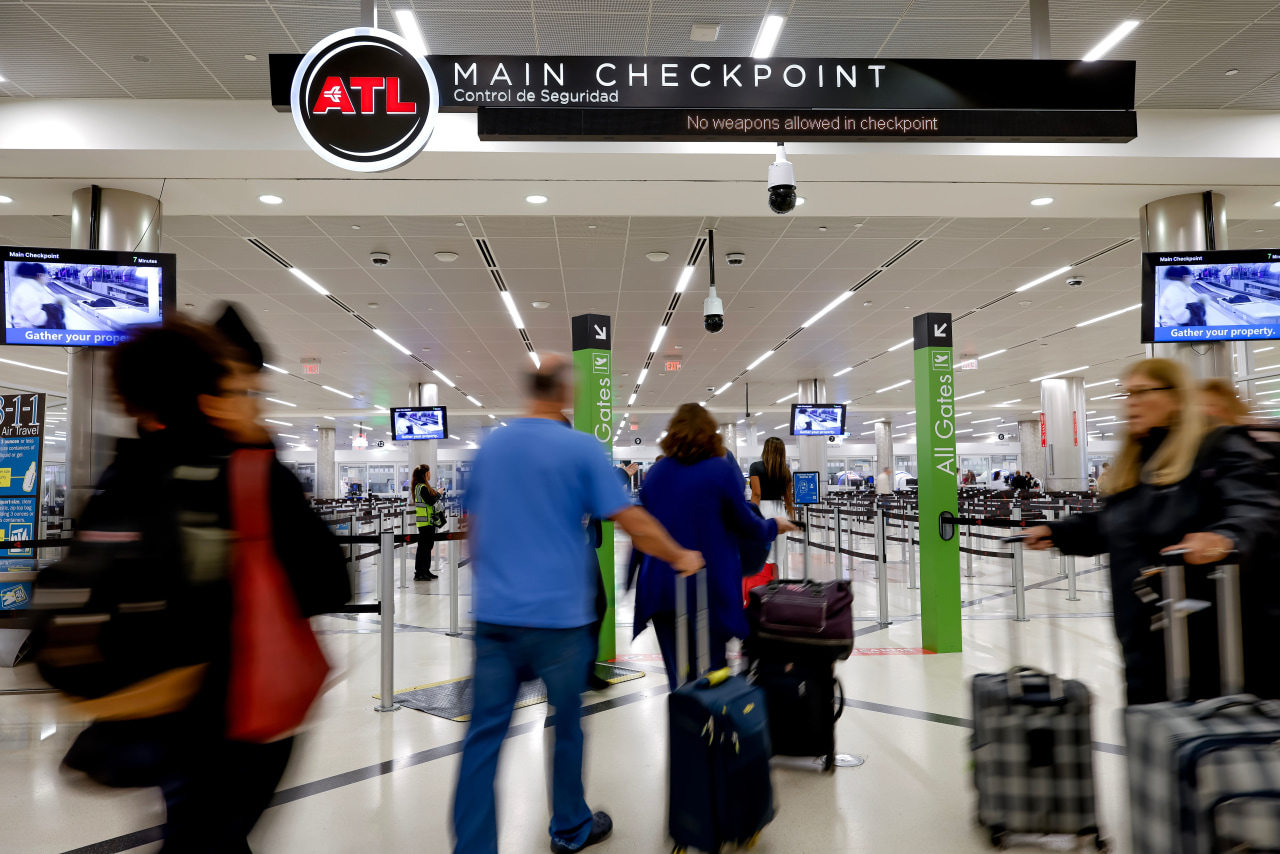
Citizens from countries including the United Kingdom, France, and Japan will soon need to disclose five years of their social media history to enter the United States, despite being part of the existing Visa Waiver Program. This significant policy change, announced by the U.S. Department of Homeland Security, aims to bolster national security and enhance the vetting process for visitors.
Under the proposed regulations, individuals from nations that typically enjoy visa-free travel for short stays will be required to provide detailed social media accounts. This includes platforms such as Facebook, Twitter, and Instagram. Such measures come in response to growing concerns over the influence of social media on security threats and foreign relations.
The decision, expected to take effect in March 2024, reflects a broader trend in international travel policies emphasizing security. The Department of Homeland Security stated that the intention is to gather more comprehensive data on travelers, thus allowing for improved risk assessments.
Impact on Travelers and International Relations
Critics of the new regulations express concern over privacy and the potential implications for personal freedom. They argue that requiring extensive social media data could deter many individuals from traveling to the U.S. The measure has raised questions about the balance between security and civil liberties, particularly among countries that have previously enjoyed relaxed entry requirements.
Supporters, however, assert that the policy is a necessary step in adapting to evolving threats in a digital age. They point to incidents where social media played a role in facilitating unlawful activities. By examining online behavior, authorities hope to identify potential risks before they manifest.
The policy not only affects travelers but also has potential diplomatic ramifications. Nations participating in the Visa Waiver Program may need to reassess their own security protocols and data sharing agreements with the U.S. as they navigate this new requirement.
Future Considerations
As the U.S. implements this policy, travelers should prepare for changes in their travel documentation. The Department of Homeland Security will provide further guidance on how to submit social media information and what specific data will be required. Meanwhile, international communities will be watching closely to gauge how this policy impacts tourism and diplomatic relations.
The initiative signifies a shift in how nations view security in an increasingly interconnected world. As the landscape of international travel evolves, both governments and travelers will need to adapt to these new expectations. This upcoming requirement underscores the importance of vigilance in safeguarding national security while striving to maintain open borders for legitimate travelers.

Twins Conclude Productive Winter Meetings with Strategic Moves

U.S. Proposes Plan to Unlock Russian Funds, Igniting European Tensions

Vail Pass Sales Rise Slightly as Oxford Lowers Earnings Forecast

New Musical ‘Dypsy!’ Inspired by Gypsy Rose Blanchard Set for 2026

ProMedica Closes Flower Hospital Obstetrics Program, Staff Redirected

Local Veterans Groups Deliver Holiday Cheer to Troops

Local Moms Deliver Holiday Cheer to Troops Worldwide

Adobe Reports Strong Q3 Growth, Surpassing Expectations

NASA Loses Contact with Maven Mars Orbiter, Urgent Investigations Underway

Urgent Update: Tom Aspinall’s Vision Deteriorates After UFC 321

University of Hawaiʻi Joins $25.6M AI Project to Enhance Disaster Monitoring

MIT Scientists Uncover Surprising Genomic Loops During Cell Division

AI Disruption: AWS Faces Threat as Startups Shift Cloud Focus

Time Crystals Revolutionize Quantum Computing Potential

Discover the Full Map of Pokémon Legends: Z-A’s Lumiose City

Parenthood Set to Depart Hulu: What Fans Need to Know

Honeywell Forecasts Record Business Jet Deliveries Over Next Decade

Judge Signals Dismissal of Chelsea Housing Case Citing AI Flaws
-
 Top Stories1 month ago
Urgent Update: Tom Aspinall’s Vision Deteriorates After UFC 321
-
Science1 month ago
University of Hawaiʻi Joins $25.6M AI Project to Enhance Disaster Monitoring
-
 Health2 months ago
MIT Scientists Uncover Surprising Genomic Loops During Cell Division
-
 Top Stories2 months ago
AI Disruption: AWS Faces Threat as Startups Shift Cloud Focus
-
 Science2 months ago
Time Crystals Revolutionize Quantum Computing Potential
-
 Entertainment2 months ago
Discover the Full Map of Pokémon Legends: Z-A’s Lumiose City
-
 Entertainment2 months ago
Parenthood Set to Depart Hulu: What Fans Need to Know
-
 World2 months ago
Honeywell Forecasts Record Business Jet Deliveries Over Next Decade
-
 Politics2 months ago
Judge Signals Dismissal of Chelsea Housing Case Citing AI Flaws
-

 Top Stories2 months ago
GOP Faces Backlash as Protests Surge Against Trump Policies
-

 Sports2 months ago
Yoshinobu Yamamoto Shines in Game 2, Leading Dodgers to Victory
-

 Health2 months ago
Maine Insurers Cut Medicare Advantage Plans Amid Cost Pressures