
Science
UK Firm Achieves Fusion Breakthrough for Near-Limitless Energy

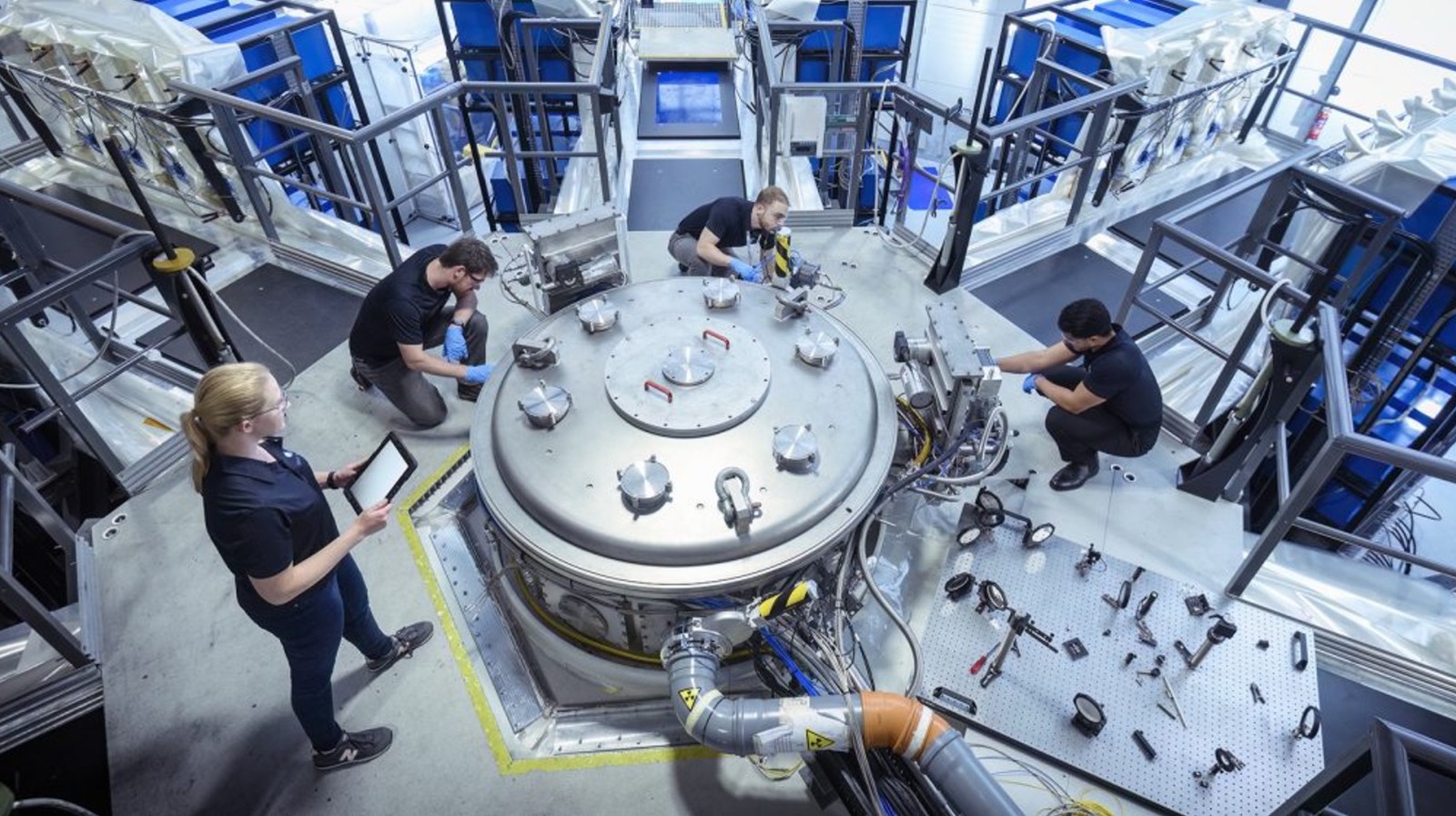
Recent advancements in fusion power technology indicate a significant step toward sustainable energy production. The UK-based company, First Light Fusion (FLF), has developed a method to achieve “high gain” inertial fusion, marking a notable milestone in the lengthy pursuit of a viable fusion reactor. This breakthrough could potentially enable the generation of near-limitless energy, drastically reducing reliance on fossil fuels and mitigating climate change.
Fusion power harnesses energy from nuclear fusion reactions, where two light atomic nuclei combine to form a heavier nucleus. When effectively captured, this process can yield substantial amounts of energy. Historically, fusion experiments have struggled to achieve a state where the energy output exceeds the energy input required to initiate the reaction. However, FLF’s recent accomplishment brings the concept of a commercially viable fusion reactor closer to reality.
FLARE: A Promising New Process
The innovative process developed by FLF is called FLARE, which stands for Fusion via Low-power Assembly and Rapid Excitation. This technique has the potential to achieve an energy gain of 1,000, a remarkable increase compared to previous experiments, which managed gains of only four. The breakthrough was previously highlighted by the U.S. Department of Energy’s National Ignition Facility, which achieved its gain milestone in May 2025.
FLARE works by separating the processes of compressing and heating fuel. The first step involves compressing the fuel, leading to a significant energy surplus through a technique known as “fast ignition.” This method, while previously studied, had not been practically applied until FLF’s recent success.
In their white paper detailing FLARE, FLF emphasizes the massive energy potential of fusion. According to the company, a single kilogram (approximately 2.2 lbs.) of fusion fuel could produce as much energy as 10 million kg of coal (about 22,046,226 lbs.). This stark comparison underscores the transformative potential of fusion energy.
The Path to Sustainable Fusion Power
Achieving ignition, where a small fuel source reaches the fusion temperature of approximately 100 million kelvin (or 179,999,540 degrees Fahrenheit), is crucial for creating a self-sustaining reaction. While generating such extreme heat requires significant energy inputs, the promise of self-sustaining fusion could lead to unparalleled energy production.
If FLARE operates as theorized, it may offer a pathway to establish multiple fusion reactors capable of powering global energy needs. The recent developments in fusion technology suggest that the dream of sustainable energy might soon transition from aspiration to reality.
As the field continues to evolve, the focus on achieving practical and efficient fusion power remains paramount. The ongoing research and breakthroughs indicate that a future powered by clean, renewable energy sources may be within reach, transforming the landscape of energy production and consumption worldwide.

Shark Teeth Study Reveals Urgent Clues to Prevent Extinction

Church Members Rally Together After Thanksgiving Fire Devastation

U.S. Investment in Canadian Energy Firms Surges Despite Low Oil Prices

Nick Jonas Unveils New Solo Album ‘Sunday Best’ Set for February Release

Researchers Urge Label Changes for Low-Alcohol Drinks to Aid Pregnant Women

Wedding Cookie Table Community Aims for World’s Largest Cookie Exchange

Mayor Appoints Alan Wong as New Supervisor for District 4

UK Report Reveals Growing Role of AI in University Research Assessments

Mayor Lurie Appoints Alan Wong as New District 4 Supervisor

Urgent Update: Tom Aspinall’s Vision Deteriorates After UFC 321

MIT Scientists Uncover Surprising Genomic Loops During Cell Division

University of Hawaiʻi Joins $25.6M AI Project to Enhance Disaster Monitoring

AI Disruption: AWS Faces Threat as Startups Shift Cloud Focus

Time Crystals Revolutionize Quantum Computing Potential

Honeywell Forecasts Record Business Jet Deliveries Over Next Decade

Discover the Full Map of Pokémon Legends: Z-A’s Lumiose City

GOP Faces Backlash as Protests Surge Against Trump Policies

Parenthood Set to Depart Hulu: What Fans Need to Know
-
 Top Stories1 month ago
Urgent Update: Tom Aspinall’s Vision Deteriorates After UFC 321
-
 Health1 month ago
MIT Scientists Uncover Surprising Genomic Loops During Cell Division
-
Science4 weeks ago
University of Hawaiʻi Joins $25.6M AI Project to Enhance Disaster Monitoring
-
 Top Stories1 month ago
AI Disruption: AWS Faces Threat as Startups Shift Cloud Focus
-
 Science2 months ago
Time Crystals Revolutionize Quantum Computing Potential
-
 World2 months ago
Honeywell Forecasts Record Business Jet Deliveries Over Next Decade
-
 Entertainment1 month ago
Discover the Full Map of Pokémon Legends: Z-A’s Lumiose City
-
 Top Stories2 months ago
GOP Faces Backlash as Protests Surge Against Trump Policies
-
 Entertainment2 months ago
Parenthood Set to Depart Hulu: What Fans Need to Know
-

 Politics2 months ago
Judge Signals Dismissal of Chelsea Housing Case Citing AI Flaws
-

 Sports2 months ago
Yoshinobu Yamamoto Shines in Game 2, Leading Dodgers to Victory
-

 Health2 months ago
Maine Insurers Cut Medicare Advantage Plans Amid Cost Pressures