
Top Stories
EU Freezes Russian Assets Indefinitely to Support Ukraine

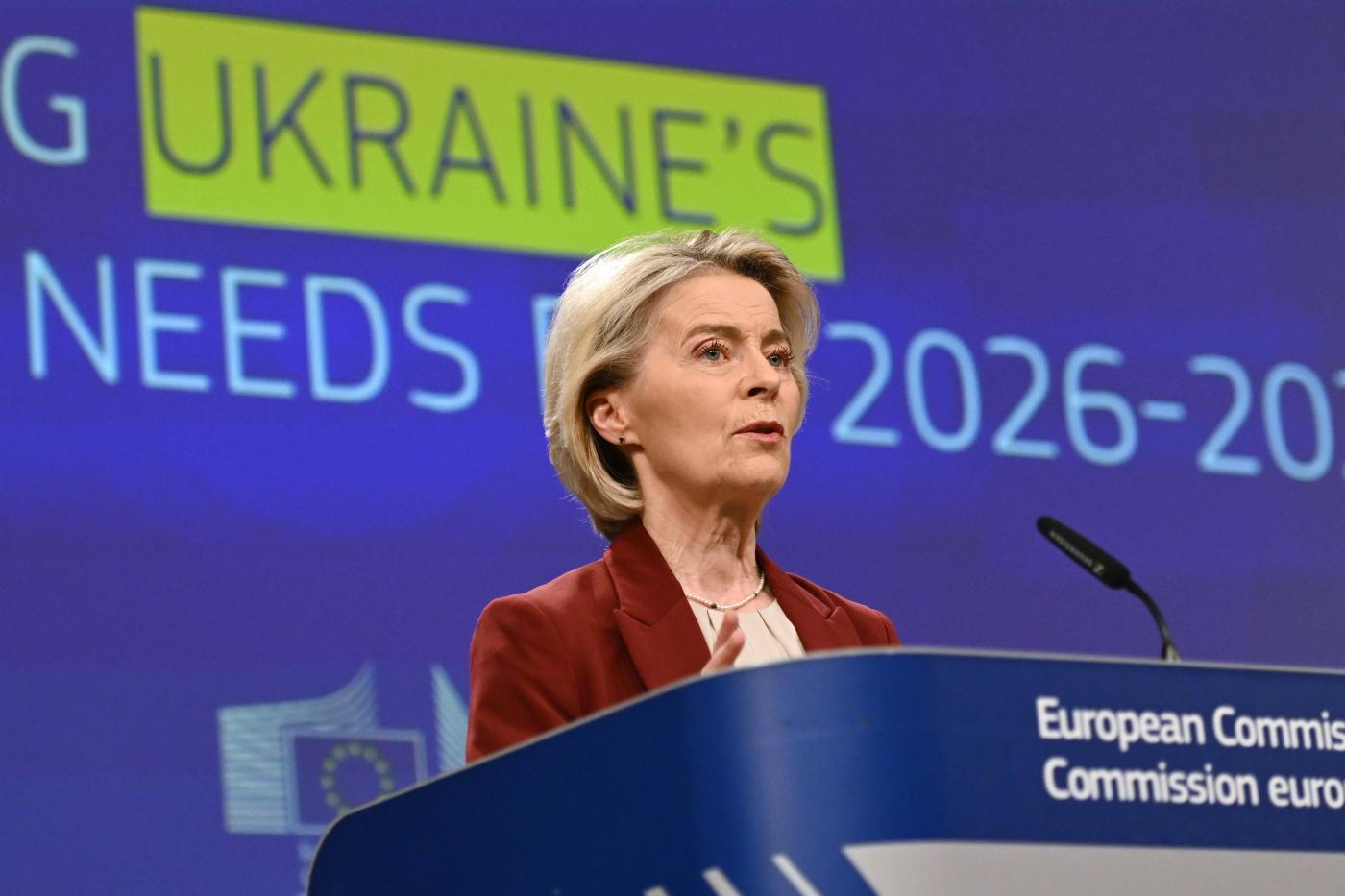
UPDATE: The European Union has just announced an indefinite freeze on Russian assets in Europe, a decisive move to prevent Hungary and Slovakia from blocking crucial financial support for Ukraine. This urgent action aims to ensure that the estimated €210 billion ($247 billion) in Russian assets can be utilized to aid Ukraine amidst its ongoing conflict with Russia.
In a statement released today, EU Council President António Costa emphasized that European leaders are committed to immobilizing Russian assets until the nation ends its war of aggression and compensates Ukraine for the extensive damage inflicted over the past four years. “Today we delivered on that commitment,” Costa declared, underscoring the EU’s determination to support Ukraine’s financial and military needs.
The EU’s decision follows a special economic procedure, allowing the assets to remain blocked until Russia complies with international demands. This freeze is expected to facilitate discussions at a summit scheduled for December 18 regarding how to utilize these funds for Ukraine’s pressing financial requirements over the next two years.
The implications of this asset freeze are profound. Hungary and Slovakia, led by leaders with close ties to Russian President Vladimir Putin, have historically opposed further aid to Ukraine. This decision effectively prevents them from vetoing the use of the frozen assets, ensuring that support to Ukraine remains uninterrupted.
Hungarian Prime Minister Viktor Orbán criticized the EU’s actions, accusing the European Commission of undermining European law. He stated on social media that these measures signify the end of the rule of law within the EU, claiming, “The European Commission is systematically raping European law.” Orbán vowed to fight against what he sees as an unlawful overreach by EU leadership.
Similarly, Slovak Prime Minister Robert Fico expressed his disapproval in a letter to Costa, stating he would refuse to support any initiatives that would fund Ukraine’s military expenses. He cautioned that using frozen Russian assets could jeopardize ongoing U.S. peace efforts aimed at reconstructing Ukraine.
The European Commission argues that the ongoing war has resulted in significant economic costs across the EU, leading to soaring energy prices and reduced growth. In total, the EU has already provided nearly €200 billion ($235 billion) in assistance to Ukraine, highlighting the urgency of maintaining support in light of Russia’s military actions.
The frozen assets, primarily held in Euroclear, a Belgian financial clearing house, are subject to sanctions imposed by the EU since the onset of Russia’s invasion on February 24, 2022. These sanctions require renewal every six months, necessitating unanimous approval from all 27 EU member states. Hungary and Slovakia’s opposition has previously complicated these renewals, but this new freeze circumvents their potential veto power.
In a related development, Russia’s Central Bank has filed a lawsuit against Euroclear, claiming damages due to its inability to manage the frozen assets. The bank criticized the EU’s plans to use these resources for Ukraine as “illegal” and in violation of international law.
As the situation evolves, the EU’s strategic move to protect these assets could play a crucial role in sustaining Ukraine’s defense against Russian aggression. The upcoming summit will be pivotal in determining the next steps in securing financial aid for Ukraine through these frozen resources.
Stay tuned for further updates as this story develops.

Donovan Mitchell Scores 24 in Final Quarter, Leads Cavs to Comeback Win

Major 10-Vehicle Crash Closes New Jersey Turnpike; 6 Injured

Trump Faces Backlash as Political Gravity Takes Hold, Experts Warn

New One Piece Episode Reveals Bonney as Potential Haki User!

JR Kratos Shares Inspiring Journey from Homelessness to Champion

Mike Jacobs’ Emotional Homecoming: A ‘Surreal’ Return to Maumee

Salvation Army Urgently Needs 400 Toy Donations for Families

Utah Poised for Bowl Victory Over Nebraska Amid Coach’s Farewell

Parent Charged with Murder After KSU Campus Shooting

Urgent Update: Tom Aspinall’s Vision Deteriorates After UFC 321

University of Hawaiʻi Joins $25.6M AI Project to Enhance Disaster Monitoring

MIT Scientists Uncover Surprising Genomic Loops During Cell Division

AI Disruption: AWS Faces Threat as Startups Shift Cloud Focus

Time Crystals Revolutionize Quantum Computing Potential

Discover the Full Map of Pokémon Legends: Z-A’s Lumiose City

GOP Faces Backlash as Protests Surge Against Trump Policies

Parenthood Set to Depart Hulu: What Fans Need to Know

Judge Signals Dismissal of Chelsea Housing Case Citing AI Flaws
-
 Top Stories2 months ago
Urgent Update: Tom Aspinall’s Vision Deteriorates After UFC 321
-
Science1 month ago
University of Hawaiʻi Joins $25.6M AI Project to Enhance Disaster Monitoring
-
 Health2 months ago
MIT Scientists Uncover Surprising Genomic Loops During Cell Division
-
 Top Stories2 months ago
AI Disruption: AWS Faces Threat as Startups Shift Cloud Focus
-
 Science2 months ago
Time Crystals Revolutionize Quantum Computing Potential
-
 Entertainment2 months ago
Discover the Full Map of Pokémon Legends: Z-A’s Lumiose City
-
 Top Stories2 months ago
GOP Faces Backlash as Protests Surge Against Trump Policies
-
 Entertainment2 months ago
Parenthood Set to Depart Hulu: What Fans Need to Know
-
 Politics2 months ago
Judge Signals Dismissal of Chelsea Housing Case Citing AI Flaws
-

 World2 months ago
Honeywell Forecasts Record Business Jet Deliveries Over Next Decade
-

 Sports2 months ago
Yoshinobu Yamamoto Shines in Game 2, Leading Dodgers to Victory
-

 Health2 months ago
Maine Insurers Cut Medicare Advantage Plans Amid Cost Pressures