
Top Stories
Ice Loss at Mount Rainier: Elevation Drops Nearly 21 Feet

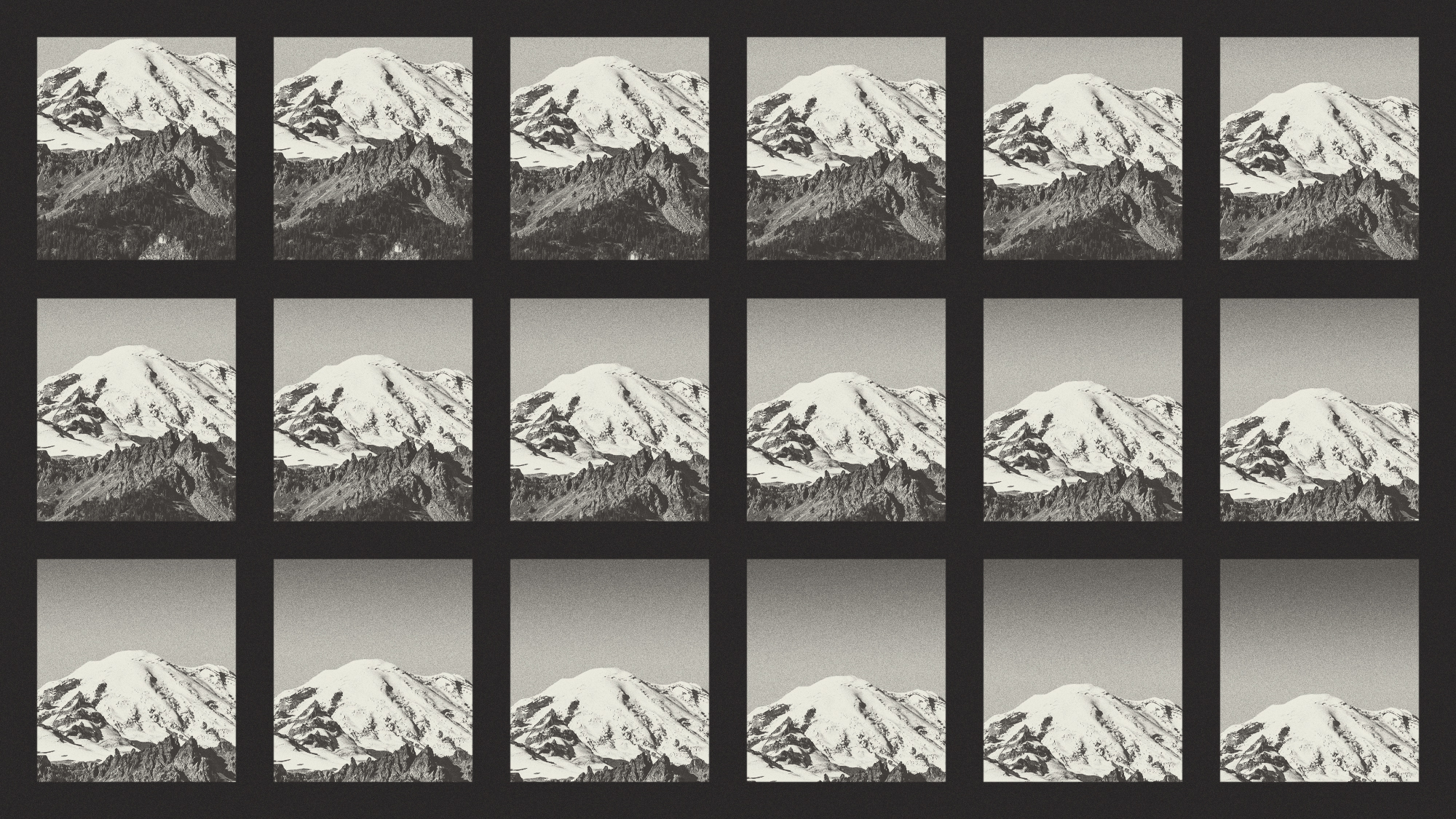
BREAKING: New data reveals that Mount Rainier has suffered a significant ice loss, resulting in a drop of nearly 21 feet in elevation. This alarming finding is part of a broader study that shows five major U.S. mountains are experiencing similar declines, raising urgent concerns about climate change impacts on our environment.
The study, published in the journal Arctic, Antarctic and Alpine Research, confirms that Mount Rainier, alongside four other ice-capped mountains, has “shrunk since ~1980.” Specifically, the peak of Columbia Crest, recognized as Mount Rainier’s summit, no longer stands at 14,410 feet above sea level. Instead, it has lost nearly 20 feet of ice due to rising temperatures and altered precipitation patterns.
According to Eric Gilbertson, an associate teaching professor at Seattle University and coauthor of the study, the average air temperature on these summits has surged by almost 5.5 degrees Fahrenheit since the 1950s. He stated, “There are more and more days that reach above freezing, and we’re seeing ice melt even at the highest elevations.” This alarming trend is contributing to the shrinking peaks and raising fears about the future of these iconic landscapes.
The implications of this ice loss extend beyond scenic views. Mount Rainier is known as the “most glaciated peak in the contiguous United States,” playing a critical role in providing essential water for rivers, drinking water downstream, and maintaining cold-water habitats vital for salmon. Melting glaciers have become a crucial climate tipping point, signaling catastrophic environmental changes ahead.
Officials have noted that the data collection for this study was arduous. Researchers utilized high-precision GPS equipment during late summer, when minimal snow cover allowed for accurate measurements of the summits. They hiked to the tops, taking detailed readings, and complemented this with laser-mapping data and historical photographs to analyze how the peaks have altered over time.
Despite the official acknowledgment of these findings by the National Park Service, no immediate changes have been made to the published elevation of 14,410 feet, as the U.S. Geological Survey retains the responsibility for this designation. Scott Beason, a geologist with the Park Service, emphasized, “While we talk a lot about glaciers losing mass, those are often at lower elevations. This is an obvious and visceral sign of how climate change is impacting these well-known and once-pristine places.”
The study highlights a troubling trend where precipitation is increasingly falling as rain rather than snow, further exacerbating the loss of ice. As the researchers pointed out, there are currently no comprehensive databases tracking ice-capped summits, making it challenging to fully understand the impacts of ice loss on these critical ecosystems.
This study marks a pivotal moment in our understanding of the western U.S. cryosphere, indicating that we have likely entered a new era characterized by substantial ice melt. The findings serve as a stark reminder of the urgent action needed to confront climate change and its ripple effects across ecosystems and communities.
As these changes unfold, the broader implications for water supply, wildlife habitats, and climate resilience are becoming increasingly evident. The urgency of addressing climate change has never been clearer, and the evidence from Mount Rainier is a call to action for individuals, communities, and policymakers alike.
Stay tuned for further updates as this situation develops and the impact of these findings continues to be assessed.

Danica Patrick Sparks Romance Rumors with Mystery Man

NASCAR Star Greg Biffle and Family Killed in Fiery Plane Crash

Shawn Porter Claims Jake Paul vs. Anthony Joshua Ends ‘Fixed Fight’ Doubts

Beth Mead and Jess Park Shine in UWCL’s Best Goals of the Week

U.K. Government Reports November Deficit Decline Amid Revenue Rise

Ohio’s Bold Move on Election Reform Sets National Standard

Discover Unique Last-Minute Gifts Under $30 for Everyone

Last-Minute Holiday Gifts Under $30: Find Unique Presents NOW

Suspect Claudio Valente Found Dead After Brown University Shooting

Urgent Update: Tom Aspinall’s Vision Deteriorates After UFC 321

University of Hawaiʻi Joins $25.6M AI Project to Enhance Disaster Monitoring

MIT Scientists Uncover Surprising Genomic Loops During Cell Division

AI Disruption: AWS Faces Threat as Startups Shift Cloud Focus

Time Crystals Revolutionize Quantum Computing Potential

Discover the Full Map of Pokémon Legends: Z-A’s Lumiose City

GOP Faces Backlash as Protests Surge Against Trump Policies

Honeywell Forecasts Record Business Jet Deliveries Over Next Decade

Judge Signals Dismissal of Chelsea Housing Case Citing AI Flaws
-
 Top Stories2 months ago
Urgent Update: Tom Aspinall’s Vision Deteriorates After UFC 321
-
Science2 months ago
University of Hawaiʻi Joins $25.6M AI Project to Enhance Disaster Monitoring
-
 Health2 months ago
MIT Scientists Uncover Surprising Genomic Loops During Cell Division
-
 Top Stories2 months ago
AI Disruption: AWS Faces Threat as Startups Shift Cloud Focus
-
 Science2 months ago
Time Crystals Revolutionize Quantum Computing Potential
-
 Entertainment2 months ago
Discover the Full Map of Pokémon Legends: Z-A’s Lumiose City
-
 Top Stories2 months ago
GOP Faces Backlash as Protests Surge Against Trump Policies
-
 World2 months ago
Honeywell Forecasts Record Business Jet Deliveries Over Next Decade
-
 Politics2 months ago
Judge Signals Dismissal of Chelsea Housing Case Citing AI Flaws
-

 Entertainment2 months ago
Parenthood Set to Depart Hulu: What Fans Need to Know
-

 Top Stories1 month ago
Joleen Chaney, Beloved Journalist, Passes Leaving Lasting Legacy
-

 Sports2 months ago
Yoshinobu Yamamoto Shines in Game 2, Leading Dodgers to Victory