
Health
Researchers Discover Gut Microbe That Prevents Weight Gain

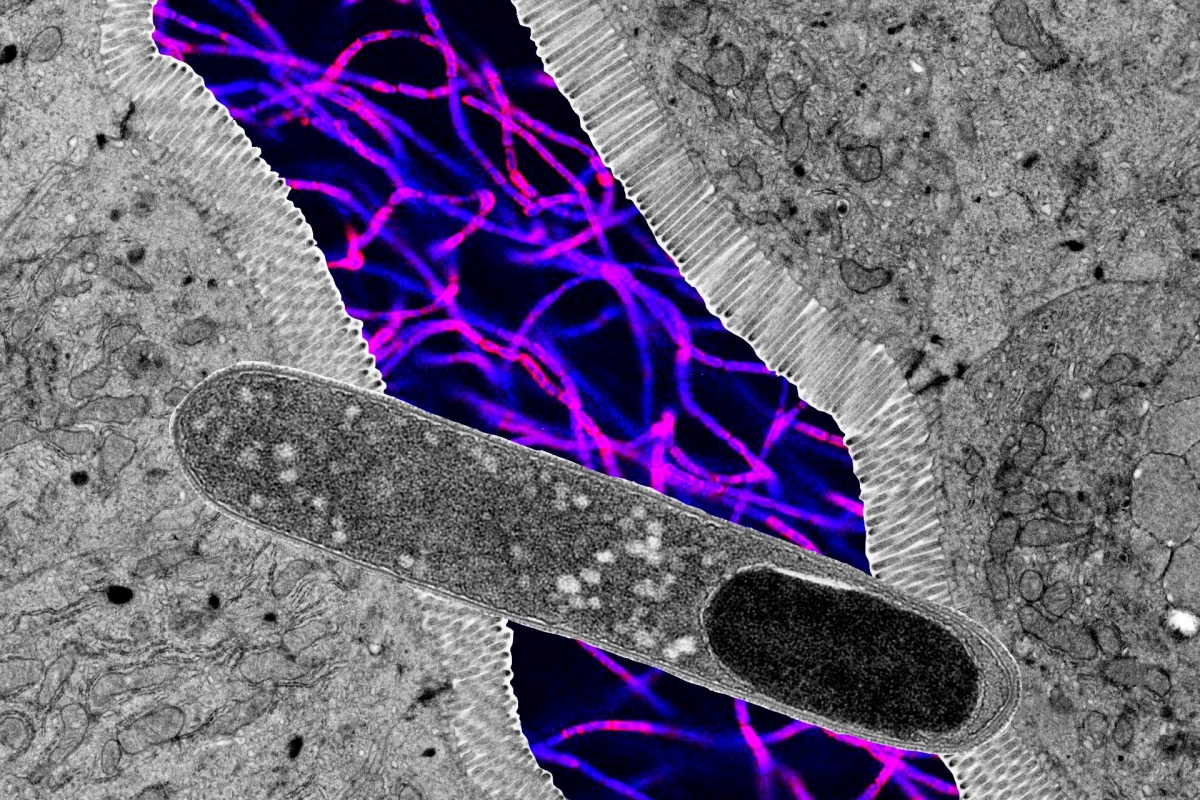
Researchers at the University of Utah have identified a specific gut microbe, called Turicibacter, that effectively prevents weight gain, even when subjected to a high-fat diet. This breakthrough adds to the growing body of research focused on leveraging the gut microbiome— the complex community of microorganisms residing in our intestines—to enhance health outcomes.
The gut microbiome has long been recognized for its role in influencing weight management. Yet, pinpointing the precise functions of individual microbes has proven challenging. The difficulty arises from the fact that many of these microorganisms do not survive outside the human body, necessitating specialized testing environments. In this study, researchers narrowed down approximately 100 candidate bacteria believed to combat weight gain to just one: Turicibacter.
In experiments involving mice fed a high-fat diet, those supplemented with Turicibacter exhibited significantly reduced blood sugar levels, lower fat concentrations in the bloodstream, and decreased overall weight gain compared to a control group. “I didn’t think one microbe would have such a dramatic effect – I thought it would be a mix of three or four,” said June Round, professor of microbiology and immunology at U of U Health and senior author of the study. “So when Kendra Klag brought me the first experiment with Turicibacter and the mice were staying really lean, I was like, ‘This is so amazing.’ It’s pretty exciting when you see those types of results.”
Understanding the Mechanism
The success of Turicibacter in maintaining a healthy weight in mice can be attributed to its influence on ceramides, fatty molecules that increase in concentration on a high-fat diet. Elevated ceramide levels not only enhance the gut’s absorption of dietary fat but also promote fat storage and spike blood sugar levels, which can lead to insulin resistance. Research indicates that high ceramide levels are linked to serious health issues, including type 2 diabetes and heart disease, often serving as better predictors of cardiovascular risk than low-density lipoprotein (LDL) cholesterol.
Interestingly, Turicibacter also produces lipids in the gut. These specific lipids counteract the rise of ceramides, even in the context of high-fat consumption. However, a high-fat diet can overwhelm Turicibacter, diminishing its protective effects. Notably, lower levels of this microbe have been observed in individuals with obesity. Maintaining adequate levels of Turicibacter through regular supplementation allowed the study’s mice to remain slim and healthy despite their diet.
While the researchers caution that further studies are needed to determine if similar effects can be replicated in humans, they highlight the potential for this discovery in developing innovative strategies to combat weight gain. “Identifying what lipid is having this effect is going to be one of the most important future directions, both from a scientific perspective because we want to understand how it works, and from a therapeutic standpoint,” Round noted. “Perhaps we could use this bacterial lipid, which we know really doesn’t have a lot of side effects because people have it in their guts, as a way to keep a healthy weight.”
Klag added, “With further investigation of individual microbes, we will be able to make microbes into medicine and find bacteria that are safe to create a consortium of different bugs that people with different diseases might be lacking.”
The findings from this study were published in the prestigious journal Cell Metabolism, furthering the conversation around the potential applications of gut microbiota in health management. As research continues, the implications of these findings could offer new avenues for addressing obesity and its related health risks globally.

Philadelphia Parks Launch Free Earth Month Events Starting April 1

Bradford’s Fish Fry Fridays Serve Community with Delicious Dinners

Trump Faces Growing Challenges Amid Rising Tensions with Iran

Scientists Probe the Universe’s Missing Topological Defects

Samsung Galaxy Watch 9 to Feature Larger 435mAh Battery

UConn Huskies Aim to Defend Title in 2026 NCAA Women’s Tournament

U.S. Littoral Combat Ships Dock in Malaysia Amid Regional Tensions

Healthy Choice Wellness Reports Quarterly Earnings, Shares Rise

Urgent News: Charles M. Payment Passes Away at 78 in Duluth

University of Hawaiʻi Joins $25.6M AI Project to Enhance Disaster Monitoring

Major Grant Enhances Cancer Care and Research in Hawaiʻi

Joleen Chaney, Beloved Journalist, Passes Leaving Lasting Legacy

San Francisco’s SFO to Welcome 16 Airlines with Nonstop Flights to Europe in 2026

Goldman Sachs Unveils 2026 Catalyst Playbook for Biotech Investors

Discover Top Business Smartphones for Professionals in 2026

Urgent Update: Tom Aspinall’s Vision Deteriorates After UFC 321

Texas Roadhouse Honors Veterans with Free Meal Vouchers

CD Projekt Red Confirms No Release for The Witcher 4 in 2026
-
Science9 months ago
University of Hawaiʻi Joins $25.6M AI Project to Enhance Disaster Monitoring
-
 Health8 months ago
Major Grant Enhances Cancer Care and Research in Hawaiʻi
-
 Top Stories9 months ago
Joleen Chaney, Beloved Journalist, Passes Leaving Lasting Legacy
-
 World7 months ago
San Francisco’s SFO to Welcome 16 Airlines with Nonstop Flights to Europe in 2026
-
 Business8 months ago
Goldman Sachs Unveils 2026 Catalyst Playbook for Biotech Investors
-
 Business8 months ago
Discover Top Business Smartphones for Professionals in 2026
-
 Top Stories10 months ago
Urgent Update: Tom Aspinall’s Vision Deteriorates After UFC 321
-
 Lifestyle9 months ago
Texas Roadhouse Honors Veterans with Free Meal Vouchers
-
 Entertainment8 months ago
CD Projekt Red Confirms No Release for The Witcher 4 in 2026
-

 Top Stories10 months ago
AI Disruption: AWS Faces Threat as Startups Shift Cloud Focus
-

 Health10 months ago
MIT Scientists Uncover Surprising Genomic Loops During Cell Division
-

 Entertainment10 months ago
Discover the Full Map of Pokémon Legends: Z-A’s Lumiose City