
Top Stories
Porsche Faces Severe Sales Decline as China Innovation Surges

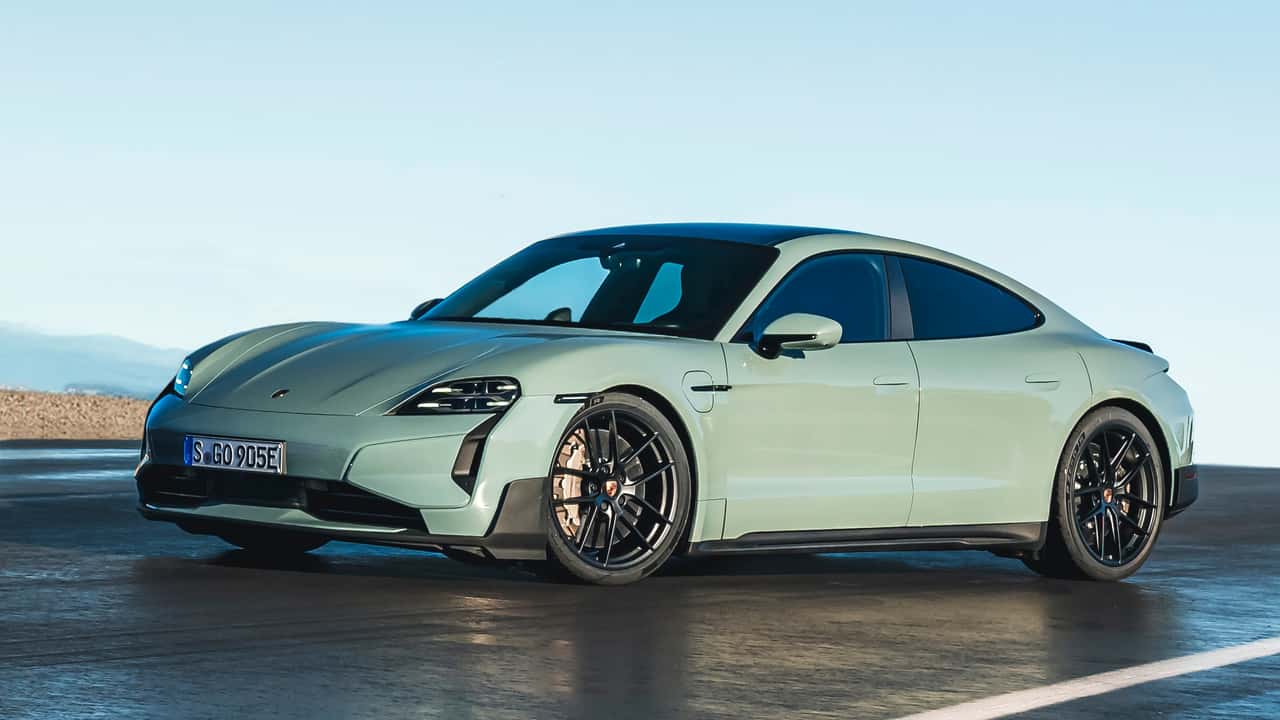
UPDATE: Porsche is facing a critical crisis in China, with sales plummeting by 28 percent to just 56,887 cars in 2024, and a further 26 percent decline noted through September this year. In an urgent interview with German business newspaper Automobilwoche, Porsche China CEO Alexander Pollich emphasized that the rapid pace of innovation from local automakers has left the luxury brand struggling to compete.
This dramatic downturn is compounded by the introduction of a new lower luxury tax threshold, which dropped from 1.3 million yuan ($184,000) to 900,000 yuan ($127,000) on July 20, 2023. This shift has made Porsche vehicles even more unaffordable, as the average net list price for a new Porsche in China now sits under 1 million yuan ($141,000).
In response to this urgent situation, Porsche has unveiled its “Winning Back China” strategy. However, Pollich acknowledges that reverting to previous sales volumes is unrealistic. The company is set to reduce its dealerships from 150 to just 80 by the end of next year, signaling a dramatic shift in its operational strategy.
The fierce competition, particularly in the electric vehicle (EV) market, has created a “veritable flood” of alternatives at various price points. While the Taycan was initially successful, Pollich notes that the landscape has drastically changed. Porsche is adapting by launching new gas-fueled SUVs, including a replacement for the Macan and a three-row vehicle that, contrary to previous plans, will first feature combustion engines.
Despite the focus on traditional engines, electric vehicles remain a part of Porsche’s strategy. The Cayenne Electric is set for a local launch, and the upcoming 718 EV is touted to be “unique in China in terms of its sportiness.” However, details on this remain sparse, leaving many questions about its potential impact.
As Porsche navigates this turbulent environment, Pollich warns of a “challenging” outlook for 2026, with new SUV models not expected until later this decade. The situation reflects a broader trend; rival automakers like BMW, Mercedes, and Audi have also experienced declines in the fiercely competitive Chinese market, highlighting an urgent need for innovation and strategic realignment.
As local manufacturers continue to dominate, Porsche’s heavy investment in electric vehicles has not yielded the expected results. The shift back to combustion engines may be a gamble that could either stem losses or further entrench the brand’s challenges.
Porsche’s struggle serves as a stark reminder of the rapidly evolving automotive landscape in China. With consumers flocking to more affordable, innovative options, the pressure is on for legacy brands to adapt or risk falling behind in one of the world’s largest car markets.

Free Mrs. Claus for a Cause Event Returns to Montrose Dec. 19-21

Putin Offers Security Guarantees for Ukraine in Urgent Talks

Secretary Noem Faces Intense Scrutiny Over Immigration Policies

Icotrokinra Outperforms Deucravacitinib in Psoriasis Trials

Giants Exit Winter Meetings with Limited Progress on Roster

US Seizes Oil Tanker Off Venezuela, Maduro Calls It Piracy

Joker Takes Over Batman’s Iconic Manor in Shocking Twist

Homeland Security Secretary Noem Faces Intense Scrutiny Today

Joker Claims Batman’s Manor in Shocking New Comic Twist

Urgent Update: Tom Aspinall’s Vision Deteriorates After UFC 321

University of Hawaiʻi Joins $25.6M AI Project to Enhance Disaster Monitoring

MIT Scientists Uncover Surprising Genomic Loops During Cell Division

AI Disruption: AWS Faces Threat as Startups Shift Cloud Focus

Time Crystals Revolutionize Quantum Computing Potential

Discover the Full Map of Pokémon Legends: Z-A’s Lumiose City

Parenthood Set to Depart Hulu: What Fans Need to Know

GOP Faces Backlash as Protests Surge Against Trump Policies

Judge Signals Dismissal of Chelsea Housing Case Citing AI Flaws
-
 Top Stories1 month ago
Urgent Update: Tom Aspinall’s Vision Deteriorates After UFC 321
-
Science1 month ago
University of Hawaiʻi Joins $25.6M AI Project to Enhance Disaster Monitoring
-
 Health2 months ago
MIT Scientists Uncover Surprising Genomic Loops During Cell Division
-
 Top Stories2 months ago
AI Disruption: AWS Faces Threat as Startups Shift Cloud Focus
-
 Science2 months ago
Time Crystals Revolutionize Quantum Computing Potential
-
 Entertainment2 months ago
Discover the Full Map of Pokémon Legends: Z-A’s Lumiose City
-
 Entertainment2 months ago
Parenthood Set to Depart Hulu: What Fans Need to Know
-
 Top Stories2 months ago
GOP Faces Backlash as Protests Surge Against Trump Policies
-
 Politics2 months ago
Judge Signals Dismissal of Chelsea Housing Case Citing AI Flaws
-
 World2 months ago
Honeywell Forecasts Record Business Jet Deliveries Over Next Decade
-

 Health2 months ago
Maine Insurers Cut Medicare Advantage Plans Amid Cost Pressures
-

 Sports2 months ago
Yoshinobu Yamamoto Shines in Game 2, Leading Dodgers to Victory