
World
Stig Ørskov Discusses Media Transformation at WAN-IFRA Summit

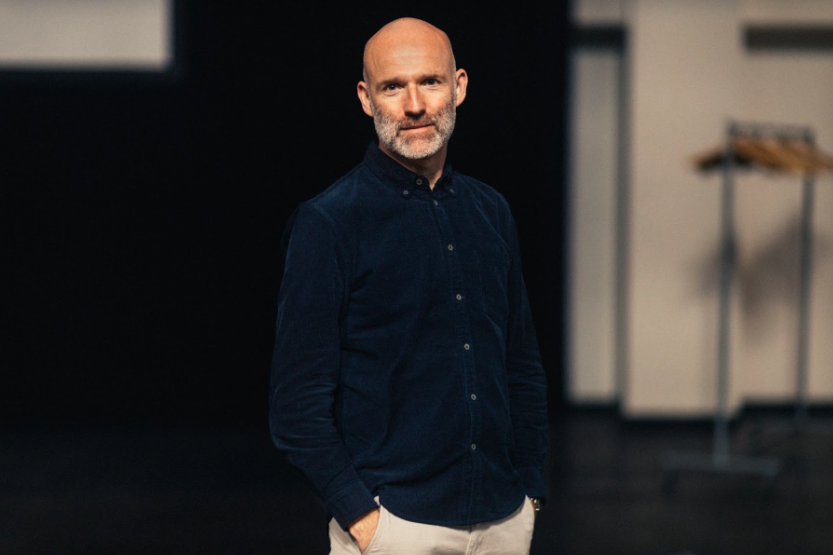
Stig Ørskov, a prominent figure in Denmark’s media landscape, recently addressed the ongoing transformation of the industry during the WAN-IFRA Newsroom Summit held at JP/Politiken’s headquarters in Copenhagen. As he prepares to assume the role of CEO at WAN-IFRA in 2026, Ørskov reflected on his extensive experience leading JP/Politiken Media Group through significant challenges, including the decline of print media, the rise of digital platforms, and changing audience expectations.
JP/Politiken, known for its flagship publications such as Ekstra Bladet, Politiken, and Jyllands-Posten, has evolved beyond traditional journalism. The company now encompasses a diverse range of businesses, including niche websites, book publishing, e-commerce, and an expanding distribution service that is set to become Denmark’s leading postal operator by 2026. With these ventures, JP/Politiken anticipates generating over €700 million in revenue in that year.
Leadership Insights and Challenges
During a discussion moderated by Prof. Dr. Alexandra Borchardt, Ørskov shared insights from his journey from business journalist to CEO over the past twelve years. He noted that while he enjoyed his time as a journalist immensely, the role of CEO has presented unique challenges, particularly in maintaining a connection with the newsroom. Ørskov emphasized the importance of leadership that stays close to the editorial staff, stating, “I should have spent far more time in the newsroom, staying close to those who work directly with the users.”
Reflecting on his decision-making processes, Ørskov recalled a pivotal moment in 2017 when he initially doubted the potential of e-papers. Contrary to his expectations, a price increase led to a surge in subscriptions, teaching him that sometimes, he should not rely solely on his instincts.
Borchardt raised the topic of the operational divide between editorial and commercial sides in media companies. Ørskov acknowledged that both models have their merits, depending on the nature of the media organization. He argued that niche companies benefit from a closer integration of commercial and editorial functions, while larger media groups must operate at a higher level to maximize the benefits of their scale.
Financial Sustainability and Future Direction
One of the ongoing challenges Ørskov has faced is balancing decentralization with scalability. He expressed that while decentralization allowed for agility in serving specific market segments, it often hindered the organization’s ability to leverage its scale effectively. Recently, JP/Politiken has begun consolidating its technology and financial frameworks to address this issue.
Ørskov’s experience as a business journalist has significantly influenced his perspective on financial sustainability. He stated, “The freedom to do independent journalism… rests on having strong financials by being able to attract users who are willing to pay for journalism.” This belief drives his commitment to ensuring that journalism remains independent and not reliant on external funding sources.
He expressed concern over the acquisition of Zetland by Bonnier, describing it as one of the low points of his tenure. Zetland, a successful Danish startup known for its quality journalism, had garnered interest from several parties before being purchased. Ørskov lamented the loss of a significant player in the independent journalism space.
As the conversation turned to the future of journalism in an increasingly AI-driven landscape, Ørskov highlighted the early investment JP/Politiken made in AI technologies. He credited the foresight of his team in recognizing the importance of AI, which has positioned them advantageously in the evolving media environment.
The discussion concluded with Ørskov reflecting on the personal toll of his role as CEO. He acknowledged the sleepless nights and challenges but emphasized the privilege of engaging in meaningful discussions and collaborating with talented individuals. He noted that despite the difficulties, the exciting nature of the industry keeps him motivated.
In his closing remarks, Ørskov stressed the need for media organizations to adopt a proactive approach towards adapting to change, urging leaders to shift resources from declining areas to those with growth potential. He lamented a defensive mindset that sometimes characterizes the industry, advocating for a more open and innovative approach to the evolving media landscape.
With a career marked by resilience and adaptability, Ørskov’s insights offer valuable lessons for media leaders navigating the complexities of today’s industry. As he prepares for his next chapter, his commitment to quality journalism and financial independence remains steadfast.

Minnesota Social Services Fraud Scandal Escalates Amid Political Turmoil

Researchers Achieve Lifelong Protein Control in Living Animals

Lindsey Vonn Claims 83rd World Cup Victory at St. Moritz

China Imposes New Export Controls on Steel Starting January 1

Skydiver Dangles at 15,000 Feet After Parachute Catches Plane Tail

Ford Enhances F-150 Technology to Combat Pickup Theft

Horoscopes for December 12, 2025: Embrace Change and Growth

Montcalm Community College Enrollment Surges 16.2% to 2,035 Students

Frederick County Students Selected for 2026 All State Music Ensembles

Urgent Update: Tom Aspinall’s Vision Deteriorates After UFC 321

University of Hawaiʻi Joins $25.6M AI Project to Enhance Disaster Monitoring

MIT Scientists Uncover Surprising Genomic Loops During Cell Division

AI Disruption: AWS Faces Threat as Startups Shift Cloud Focus

Time Crystals Revolutionize Quantum Computing Potential

Discover the Full Map of Pokémon Legends: Z-A’s Lumiose City

Parenthood Set to Depart Hulu: What Fans Need to Know

Judge Signals Dismissal of Chelsea Housing Case Citing AI Flaws

Honeywell Forecasts Record Business Jet Deliveries Over Next Decade
-
 Top Stories1 month ago
Urgent Update: Tom Aspinall’s Vision Deteriorates After UFC 321
-
Science1 month ago
University of Hawaiʻi Joins $25.6M AI Project to Enhance Disaster Monitoring
-
 Health2 months ago
MIT Scientists Uncover Surprising Genomic Loops During Cell Division
-
 Top Stories2 months ago
AI Disruption: AWS Faces Threat as Startups Shift Cloud Focus
-
 Science2 months ago
Time Crystals Revolutionize Quantum Computing Potential
-
 Entertainment2 months ago
Discover the Full Map of Pokémon Legends: Z-A’s Lumiose City
-
 Entertainment2 months ago
Parenthood Set to Depart Hulu: What Fans Need to Know
-
 Politics2 months ago
Judge Signals Dismissal of Chelsea Housing Case Citing AI Flaws
-
 World2 months ago
Honeywell Forecasts Record Business Jet Deliveries Over Next Decade
-

 Top Stories2 months ago
GOP Faces Backlash as Protests Surge Against Trump Policies
-

 Sports2 months ago
Yoshinobu Yamamoto Shines in Game 2, Leading Dodgers to Victory
-

 Health2 months ago
Maine Insurers Cut Medicare Advantage Plans Amid Cost Pressures