
Top Stories
Urgent Update: 2.4 GHz Routers Declared Outdated Amid Tech Boom

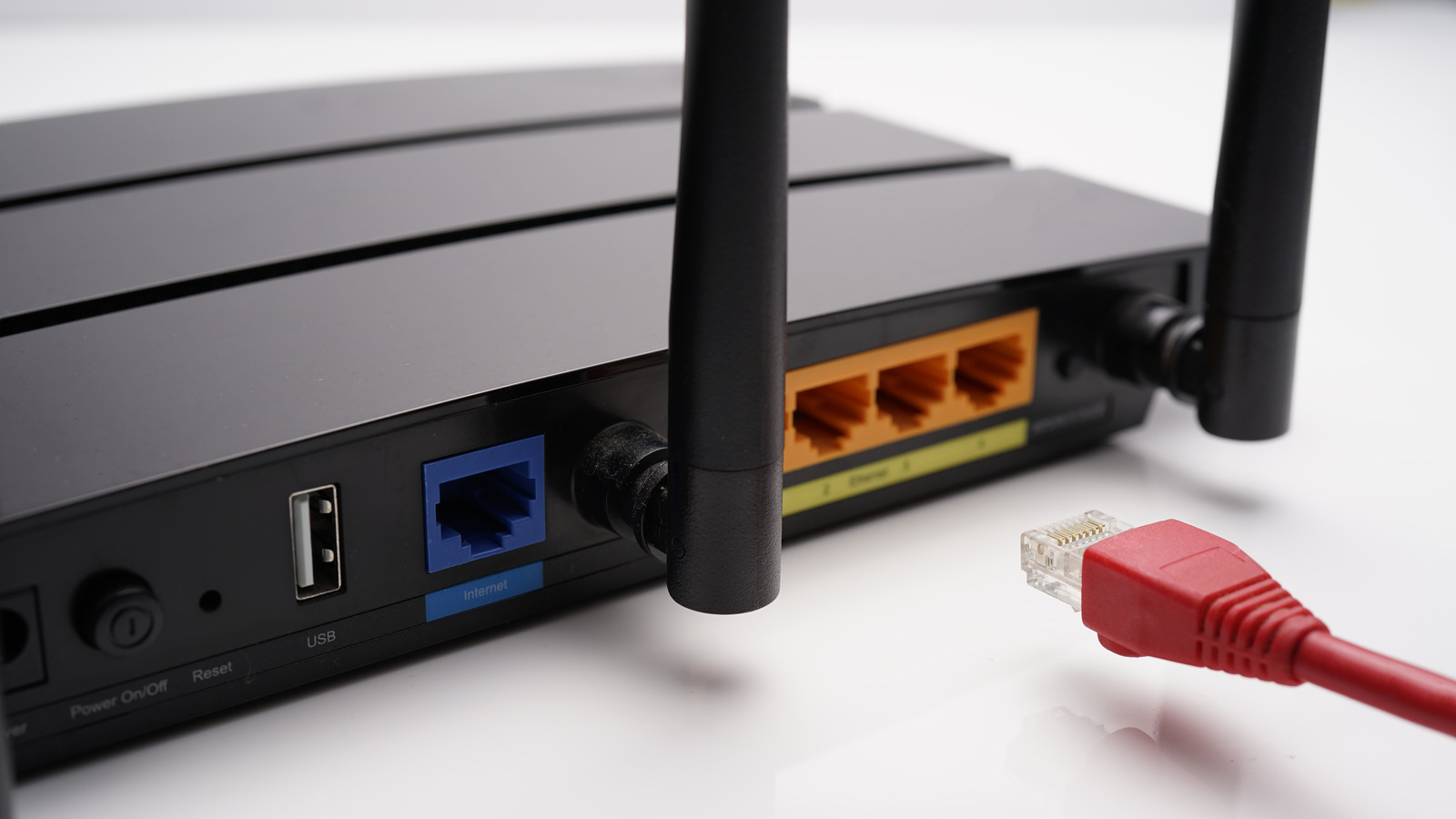
URGENT UPDATE: The tech landscape is rapidly evolving, and recent reports confirm that the 2.4 GHz router is now considered outdated for modern households. As of today, an alarming 80% of U.S. households rely on home network routers, yet many are clinging to this antiquated technology, putting their digital connectivity at risk.
With the increasing demand for bandwidth from multiple devices, the limitations of the 2.4 GHz router are becoming painfully clear. Initially launched in 1999 with the 802.11b standard, this router type can deliver a maximum speed of only 100 Mbps. In contrast, users connecting through a 5 GHz router can achieve speeds up to 1 Gbps, and the latest 6 GHz Wi-Fi 7 band promises speeds of up to 2 Gbps.
Why does this matter RIGHT NOW? As households evolve with smart devices and high-speed streaming, a 2.4 GHz router struggles to meet the growing demands. The congested spectrum is shared with numerous household devices, including baby monitors and IoT gadgets, leading to significant interference. This is especially problematic in densely populated areas where signals can easily overlap, resulting in frustrating slowdowns.
In a world where seamless digital connectivity is crucial for remote work, streaming, and gaming, relying on a 2.4 GHz router can be detrimental. Experts recommend upgrading to a dual-band device, such as the TP-Link Archer GE230 Dual Band router, which allows for both legacy device support and improved performance for modern applications.
However, before discarding those older routers, consider their potential. While they may not suffice as the primary hub, they can still serve valuable roles in your network. Many IoT devices thrive on 2.4 GHz due to its superior range and wall-penetrating capabilities. Additionally, these routers can be repurposed as Wi-Fi extenders to cover dead zones in your home.
WHAT’S NEXT? As technology continues to advance, households should reassess their networking equipment. The shift from older routers to dual- or tri-band systems isn’t just a trend; it’s a necessity to ensure reliable connectivity in our increasingly digital lives.
Don’t let outdated technology hold you back. Share this information with friends and family to help them stay connected in today’s fast-paced world.

Loons Surge in Maine’s Lakes, Haunting Calls Resonate Now

Ukrainian Drone Strike Kills 2 in Russia; 1 Million Without Power

Maisie Williams Makes Waves in Italy with Bold Birthday Swim

$1 Billion Powerball Jackpot Awaits Players This Saturday

John Cena’s Farewell Tribute Features Tom Brady’s Playful Jab

Waterbury Faces Water Crisis After Major Pipe Failure

Trump Vows Retaliation After Deadly Attack Kills 3 Americans in Syria

Prince Harry and Meghan Markle to Produce Girl Scouts Documentary

Data Center Expansion Threatens Infrastructure Projects Amid Labor Shortages

Urgent Update: Tom Aspinall’s Vision Deteriorates After UFC 321

University of Hawaiʻi Joins $25.6M AI Project to Enhance Disaster Monitoring

MIT Scientists Uncover Surprising Genomic Loops During Cell Division

AI Disruption: AWS Faces Threat as Startups Shift Cloud Focus

Time Crystals Revolutionize Quantum Computing Potential

Discover the Full Map of Pokémon Legends: Z-A’s Lumiose City

Parenthood Set to Depart Hulu: What Fans Need to Know

GOP Faces Backlash as Protests Surge Against Trump Policies

Judge Signals Dismissal of Chelsea Housing Case Citing AI Flaws
-
 Top Stories2 months ago
Urgent Update: Tom Aspinall’s Vision Deteriorates After UFC 321
-
Science1 month ago
University of Hawaiʻi Joins $25.6M AI Project to Enhance Disaster Monitoring
-
 Health2 months ago
MIT Scientists Uncover Surprising Genomic Loops During Cell Division
-
 Top Stories2 months ago
AI Disruption: AWS Faces Threat as Startups Shift Cloud Focus
-
 Science2 months ago
Time Crystals Revolutionize Quantum Computing Potential
-
 Entertainment2 months ago
Discover the Full Map of Pokémon Legends: Z-A’s Lumiose City
-
 Entertainment2 months ago
Parenthood Set to Depart Hulu: What Fans Need to Know
-
 Top Stories2 months ago
GOP Faces Backlash as Protests Surge Against Trump Policies
-
 Politics2 months ago
Judge Signals Dismissal of Chelsea Housing Case Citing AI Flaws
-

 World2 months ago
Honeywell Forecasts Record Business Jet Deliveries Over Next Decade
-

 Sports2 months ago
Yoshinobu Yamamoto Shines in Game 2, Leading Dodgers to Victory
-

 Health2 months ago
Maine Insurers Cut Medicare Advantage Plans Amid Cost Pressures