
Science
New Discoveries in Science: Neanderthals, Orcas, and Cosmic Events

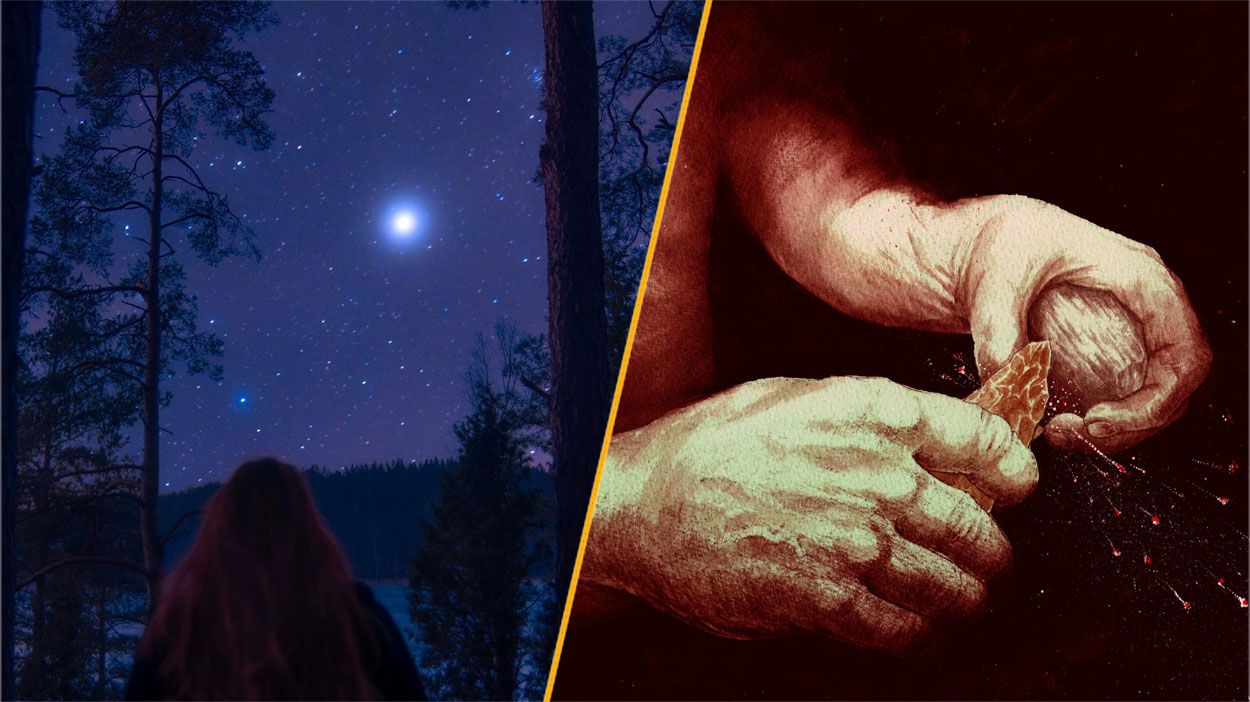
This week has brought intriguing discoveries across various fields of science, revealing new insights into human evolution, animal behavior, and astronomical phenomena. Notably, researchers have uncovered evidence that Neanderthals were capable of making fire as far back as 400,000 years ago, a finding that challenges previous assumptions about their capabilities. Meanwhile, orcas and dolphins have exhibited unexpected cooperative behaviors during hunting, and astronomers are monitoring a star system expected to go supernova in the near future.
Neanderthals and the Control of Fire
Archaeologists in Suffolk, England, have identified evidence that suggests Neanderthals controlled fire much earlier than previously believed. The study indicates that the presence of pyrite, a mineral known for producing sparks when struck against flint, was intentionally brought to a site over 400,000 years ago. This discovery pushes back the timeline for when Neanderthals first mastered fire by approximately 350,000 years. Controlled use of fire is often seen as a pivotal moment in human evolution, and this finding adds new dimensions to the ongoing debate regarding Neanderthal intelligence and cultural practices.
Orcas and Dolphins: A Unique Partnership
In a fascinating behavioral study, researchers have documented killer whales off the coast of British Columbia hunting collaboratively with Pacific white-sided dolphins. The findings suggest that these two species, typically known for their competitive interactions, have been observed sharing salmon after successful hunts. Such cooperative behavior marks the first documented case of prey-sharing between orcas and dolphins, although some experts caution that this could also represent a form of kleptoparasitism, where one species exploits the hunting efforts of another. This research provides valuable insights into the complexities of animal relationships and social structures in marine environments.
Cosmic Events and the Star of Bethlehem
Astronomers are excited about a binary star system named V Sagittae, which is poised to illuminate the night sky with flares visible to the naked eye. Expected to go supernova in approximately 100 years, these flares may provide a spectacular display for skywatchers. In a related astronomical inquiry, researchers are investigating a mysterious X-ray signal from deep space that may indicate a star being torn apart by two black holes. Additionally, some speculate whether the bright appearance of Jupiter this month could be reminiscent of the Star of Bethlehem, although historical certainty remains elusive.
Looking Back at Historical What-Ifs
In a thought-provoking reflection on history, scholars ponder the implications had Mark Antony and Cleopatra VII emerged victorious over Octavian in 30 B.C. Their defeat marked the end of their reign and the rise of Roman imperial power. Speculating on an alternative history where they had triumphed raises questions about the potential shifts in governance and culture within the Roman Empire.
Discoveries at Hadrian’s Wall
Recent archaeological findings at the historic fort of Vindolanda along Hadrian’s Wall provide new insights into life at the northern frontier of the Roman Empire. Contrary to the perception of a desolate outpost, evidence suggests that this border area was home to a diverse and vibrant community reflective of the empire’s broader demographics. The discoveries at Vindolanda highlight the importance of this site in understanding Roman military and civilian life during a period of significant historical expansion.
As scientific inquiry continues to evolve, these discoveries not only enhance our understanding of the past but also inspire curiosity about the future. The interplay between human history, animal behavior, and cosmic phenomena reminds us of the vast tapestry of knowledge waiting to be explored.

Philadelphia Parks Launch Free Earth Month Events Starting April 1

Bradford’s Fish Fry Fridays Serve Community with Delicious Dinners

Trump Faces Growing Challenges Amid Rising Tensions with Iran

Scientists Probe the Universe’s Missing Topological Defects

Samsung Galaxy Watch 9 to Feature Larger 435mAh Battery

UConn Huskies Aim to Defend Title in 2026 NCAA Women’s Tournament

U.S. Littoral Combat Ships Dock in Malaysia Amid Regional Tensions

Healthy Choice Wellness Reports Quarterly Earnings, Shares Rise

Urgent News: Charles M. Payment Passes Away at 78 in Duluth

University of Hawaiʻi Joins $25.6M AI Project to Enhance Disaster Monitoring

Major Grant Enhances Cancer Care and Research in Hawaiʻi

Joleen Chaney, Beloved Journalist, Passes Leaving Lasting Legacy

San Francisco’s SFO to Welcome 16 Airlines with Nonstop Flights to Europe in 2026

Goldman Sachs Unveils 2026 Catalyst Playbook for Biotech Investors

Discover Top Business Smartphones for Professionals in 2026

Urgent Update: Tom Aspinall’s Vision Deteriorates After UFC 321

Texas Roadhouse Honors Veterans with Free Meal Vouchers

CD Projekt Red Confirms No Release for The Witcher 4 in 2026
-
Science9 months ago
University of Hawaiʻi Joins $25.6M AI Project to Enhance Disaster Monitoring
-
 Health8 months ago
Major Grant Enhances Cancer Care and Research in Hawaiʻi
-
 Top Stories9 months ago
Joleen Chaney, Beloved Journalist, Passes Leaving Lasting Legacy
-
 World7 months ago
San Francisco’s SFO to Welcome 16 Airlines with Nonstop Flights to Europe in 2026
-
 Business8 months ago
Goldman Sachs Unveils 2026 Catalyst Playbook for Biotech Investors
-
 Business8 months ago
Discover Top Business Smartphones for Professionals in 2026
-
 Top Stories9 months ago
Urgent Update: Tom Aspinall’s Vision Deteriorates After UFC 321
-
 Lifestyle9 months ago
Texas Roadhouse Honors Veterans with Free Meal Vouchers
-
 Entertainment8 months ago
CD Projekt Red Confirms No Release for The Witcher 4 in 2026
-

 Top Stories10 months ago
AI Disruption: AWS Faces Threat as Startups Shift Cloud Focus
-

 Health10 months ago
MIT Scientists Uncover Surprising Genomic Loops During Cell Division
-

 Entertainment10 months ago
Discover the Full Map of Pokémon Legends: Z-A’s Lumiose City