
Politics
Trump Loses Key Redistricting Battle in Indiana Senate Vote

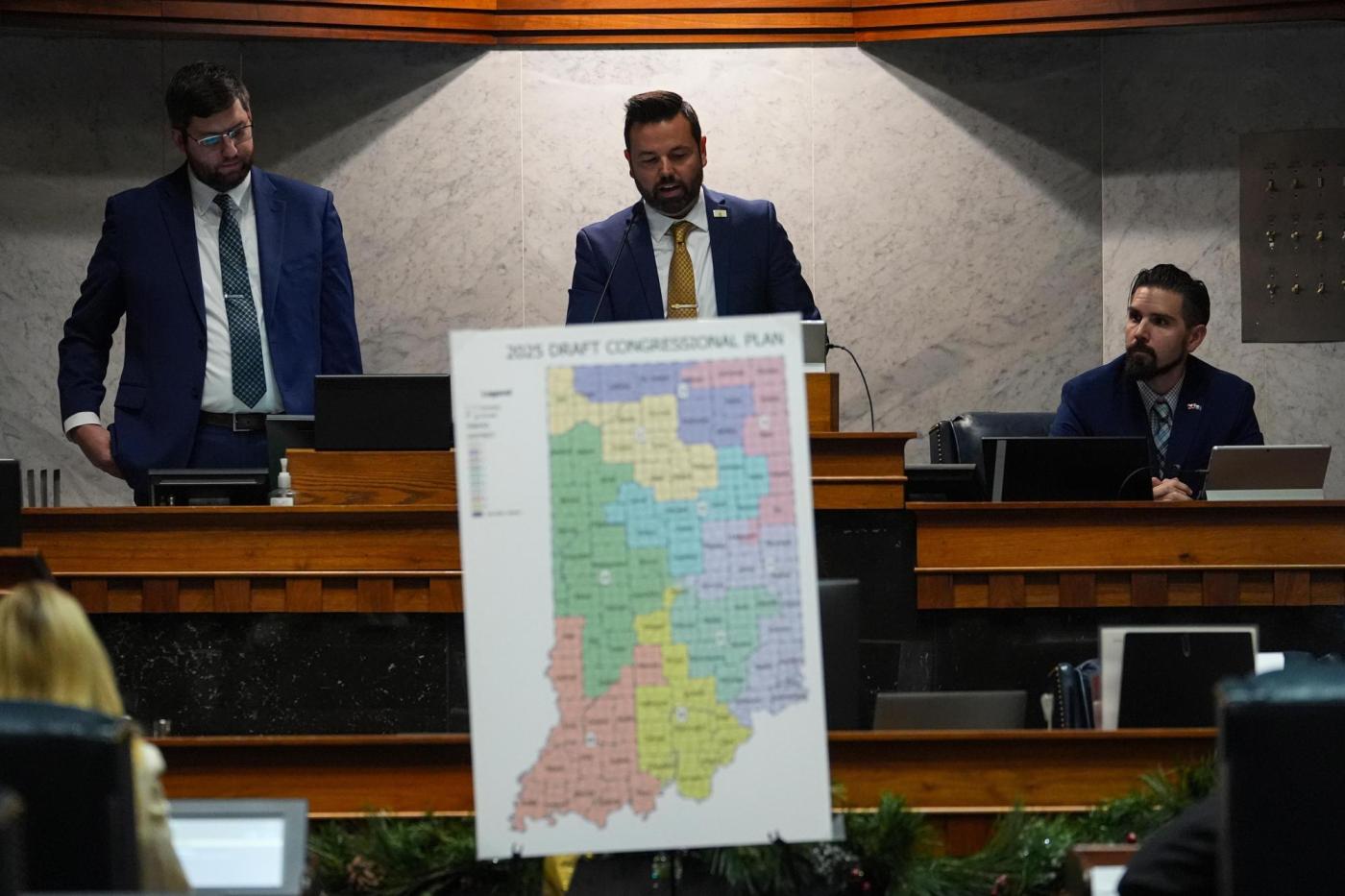
President Donald Trump faced a significant political setback as Indiana Republican senators voted against his redistricting proposal on March 11, 2025. This decision marks a notable defeat for Trump during his second term, undermining his efforts to reshape congressional maps in favor of his party ahead of the upcoming midterm elections.
The proposal, which sought to divide Indiana’s congressional districts, was met with resistance from 21 Republican senators. Many cited their constituents’ opposition as a primary reason for their votes. Sen. Travis Holdman, who opposed the plan, noted that the negative reception among voters played a crucial role in their decision-making process.
In the lead-up to the vote, Trump publicly criticized Sen. Rodric Bray, the state’s top senator, labeling him “a bad guy, or a very stupid one” in a social media post. This type of rhetoric did not resonate well with many senators. “That kind of language doesn’t help,” said Holdman, a banker and lawyer.
Some senators expressed their discontent with Trump’s tone. Sen. Jean Leising, a farm owner from Oldenburg, remarked, “I mean, that’s pretty nasty,” referring to Trump’s comments about fellow lawmakers.
Despite the White House’s extensive efforts to rally support, Trump struggled to gain traction in Indiana. Vice President JD Vance met with senators multiple times, and White House aides maintained regular contact. Yet, senators reported mixed messages from the administration ahead of the vote.
“We were getting mixed messages,” Holdman explained. “Two days before the vote, they wanted to declare a truce on Sen. Bray. And the next day, there’s a post on Truth Social that didn’t sound like truce language to me.”
Protests occurred outside the Indiana Senate chamber as the vote approached, reflecting the contentious nature of the proposed changes. The redistricting plan would have divided Indianapolis into four districts, thereby diluting the influence of Democratic voters. This sparked fears among residents in smaller towns near the Kentucky and Ohio borders that their voices would be overshadowed.
In the aftermath of the vote, Trump downplayed the defeat, stating he “wasn’t working on it very hard.” Nonetheless, Sen. Sue Glick, who also opposed the plan, dismissed Trump’s threats to unseat lawmakers who defied him, suggesting he “would have better things to do.”
Some Republican officials reacted strongly to the senators’ decision. Indiana Lieutenant Governor Micah Beckwith criticized them on social media, suggesting that they had abandoned Trump amid threats to his life. Beckwith’s comments highlighted the ongoing political divide within the party.
Despite the backlash from some party members, many senators maintained that their votes reflected the will of their constituents. Sen. Greg Goode from Terre Haute expressed his respect for Trump but condemned the “over-the-top pressure” surrounding the issue, ultimately deciding to vote against the proposal.
Former Indiana Governor Mitch Daniels succinctly summarized the situation, stating, “Folks in our state don’t react well to being bullied.”
As the political landscape continues to evolve, this defeat underscores the challenges Trump faces in influencing state-level politics, particularly in regions where constituents prioritize local concerns over national party directives.

Thousands March in U.S. Today to Protest Police Killings

Phil Olivier, Beloved Educator and Musician, Passes Away at 88

Dr. Barton Unveils 2025 Holistic Holiday Gift Guide for Pet Lovers

Blake Lively Dazzles in NYC: Spot the Subtle Style Changes

Conservative Efforts Target 14th Amendment Amid Rising Tensions

Holiday Gift Guide: Top Kitchen Picks for Food Lovers Revealed!

New Discoveries in Science: Neanderthals, Orcas, and Cosmic Events

Unbeaten North Central Clashes with Bethel in D3 Quarterfinal

Thailand Disputes Trump’s Cease-Fire Claim with Cambodia

Urgent Update: Tom Aspinall’s Vision Deteriorates After UFC 321

University of Hawaiʻi Joins $25.6M AI Project to Enhance Disaster Monitoring

MIT Scientists Uncover Surprising Genomic Loops During Cell Division

AI Disruption: AWS Faces Threat as Startups Shift Cloud Focus

Time Crystals Revolutionize Quantum Computing Potential

Discover the Full Map of Pokémon Legends: Z-A’s Lumiose City

Parenthood Set to Depart Hulu: What Fans Need to Know

GOP Faces Backlash as Protests Surge Against Trump Policies

Judge Signals Dismissal of Chelsea Housing Case Citing AI Flaws
-
 Top Stories2 months ago
Urgent Update: Tom Aspinall’s Vision Deteriorates After UFC 321
-
Science1 month ago
University of Hawaiʻi Joins $25.6M AI Project to Enhance Disaster Monitoring
-
 Health2 months ago
MIT Scientists Uncover Surprising Genomic Loops During Cell Division
-
 Top Stories2 months ago
AI Disruption: AWS Faces Threat as Startups Shift Cloud Focus
-
 Science2 months ago
Time Crystals Revolutionize Quantum Computing Potential
-
 Entertainment2 months ago
Discover the Full Map of Pokémon Legends: Z-A’s Lumiose City
-
 Entertainment2 months ago
Parenthood Set to Depart Hulu: What Fans Need to Know
-
 Top Stories2 months ago
GOP Faces Backlash as Protests Surge Against Trump Policies
-
 Politics2 months ago
Judge Signals Dismissal of Chelsea Housing Case Citing AI Flaws
-

 World2 months ago
Honeywell Forecasts Record Business Jet Deliveries Over Next Decade
-

 Sports2 months ago
Yoshinobu Yamamoto Shines in Game 2, Leading Dodgers to Victory
-

 Health2 months ago
Maine Insurers Cut Medicare Advantage Plans Amid Cost Pressures