
World
Thailand Rejects Ceasefire Amid Ongoing Border Clashes with Cambodia

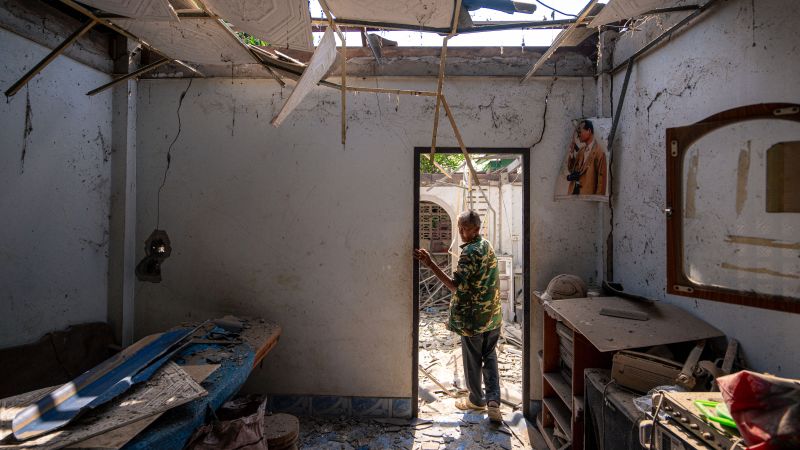
Tensions escalated on the border between Thailand and Cambodia as clashes intensified, despite a call for a ceasefire from US President Donald Trump. On Saturday, Prime Minister Anutin Charnvirakul of Thailand stated that military actions would continue until perceived threats to the nation were eliminated. The announcement followed airstrikes by Thai fighter jets against targets in Cambodia, underscoring the ongoing conflict.
In a conversation with both leaders on Friday, Trump had indicated that they agreed to halt hostilities, but Anutin refuted this claim. “I want to make it clear. Our actions this morning already spoke,” he wrote on Facebook, indicating that military operations would persist. The lack of a unified response to the proposed ceasefire raised questions about the effectiveness of diplomatic efforts.
According to statements from both leaders, there was no acknowledgment of a ceasefire agreement. Cambodian Prime Minister Hun Manet reiterated his country’s commitment to resolving disputes peacefully in accordance with the October agreement brokered by Trump. Since the beginning of the week, fighting has erupted across multiple locations along the 817-km (508-mile) border, marking some of the heaviest clashes since previous confrontations in July.
The recent escalation follows Thailand’s suspension of the ceasefire last month, which was prompted by a Thai soldier being injured by a landmine. Thailand has accused Cambodia of laying new landmines, a claim that Cambodia has denied. This backdrop of accusations has only heightened the tensions along the border.
On Saturday, Rear Admiral Surasant Kongsiri, a spokesperson for the Thai Defence Ministry, reported that fighting had occurred in seven border provinces. He stated that Cambodian forces had employed heavy artillery, necessitating a retaliatory response from Thailand. The situation has prompted further military engagement, as each side accuses the other of escalating the conflict.
In response to the situation, Cambodia’s Information Ministry reported that Thai forces had targeted infrastructure, including bridges and buildings, and had also utilized artillery from naval vessels. The ongoing violence has drawn international attention, particularly given Trump’s previous interventions that aimed to mitigate conflict in the region.
Hun Manet, addressing the media, noted that he had requested assistance from the US and Malaysia to verify which side initiated the latest round of hostilities. This indicates a desire for transparency and accountability amid the contentious exchanges between the two nations.
As the situation develops, the prospects for a peaceful resolution remain uncertain. The international community continues to observe these events closely, with the potential for further diplomatic efforts to stabilize the region. The ongoing clashes not only pose risks to the immediate safety of those in the border areas but also threaten broader regional stability.

Thousands March in U.S. Today to Protest Police Killings

Phil Olivier, Beloved Educator and Musician, Passes Away at 88

Dr. Barton Unveils 2025 Holistic Holiday Gift Guide for Pet Lovers

Blake Lively Dazzles in NYC: Spot the Subtle Style Changes

Conservative Efforts Target 14th Amendment Amid Rising Tensions

Holiday Gift Guide: Top Kitchen Picks for Food Lovers Revealed!

New Discoveries in Science: Neanderthals, Orcas, and Cosmic Events

Unbeaten North Central Clashes with Bethel in D3 Quarterfinal

Thailand Disputes Trump’s Cease-Fire Claim with Cambodia

Urgent Update: Tom Aspinall’s Vision Deteriorates After UFC 321

University of Hawaiʻi Joins $25.6M AI Project to Enhance Disaster Monitoring

MIT Scientists Uncover Surprising Genomic Loops During Cell Division

AI Disruption: AWS Faces Threat as Startups Shift Cloud Focus

Time Crystals Revolutionize Quantum Computing Potential

Discover the Full Map of Pokémon Legends: Z-A’s Lumiose City

Parenthood Set to Depart Hulu: What Fans Need to Know

GOP Faces Backlash as Protests Surge Against Trump Policies

Judge Signals Dismissal of Chelsea Housing Case Citing AI Flaws
-
 Top Stories2 months ago
Urgent Update: Tom Aspinall’s Vision Deteriorates After UFC 321
-
Science1 month ago
University of Hawaiʻi Joins $25.6M AI Project to Enhance Disaster Monitoring
-
 Health2 months ago
MIT Scientists Uncover Surprising Genomic Loops During Cell Division
-
 Top Stories2 months ago
AI Disruption: AWS Faces Threat as Startups Shift Cloud Focus
-
 Science2 months ago
Time Crystals Revolutionize Quantum Computing Potential
-
 Entertainment2 months ago
Discover the Full Map of Pokémon Legends: Z-A’s Lumiose City
-
 Entertainment2 months ago
Parenthood Set to Depart Hulu: What Fans Need to Know
-
 Top Stories2 months ago
GOP Faces Backlash as Protests Surge Against Trump Policies
-
 Politics2 months ago
Judge Signals Dismissal of Chelsea Housing Case Citing AI Flaws
-

 World2 months ago
Honeywell Forecasts Record Business Jet Deliveries Over Next Decade
-

 Sports2 months ago
Yoshinobu Yamamoto Shines in Game 2, Leading Dodgers to Victory
-

 Health2 months ago
Maine Insurers Cut Medicare Advantage Plans Amid Cost Pressures