
Health
Dozens of Infants Affected by Botulism Outbreak Linked to Formula

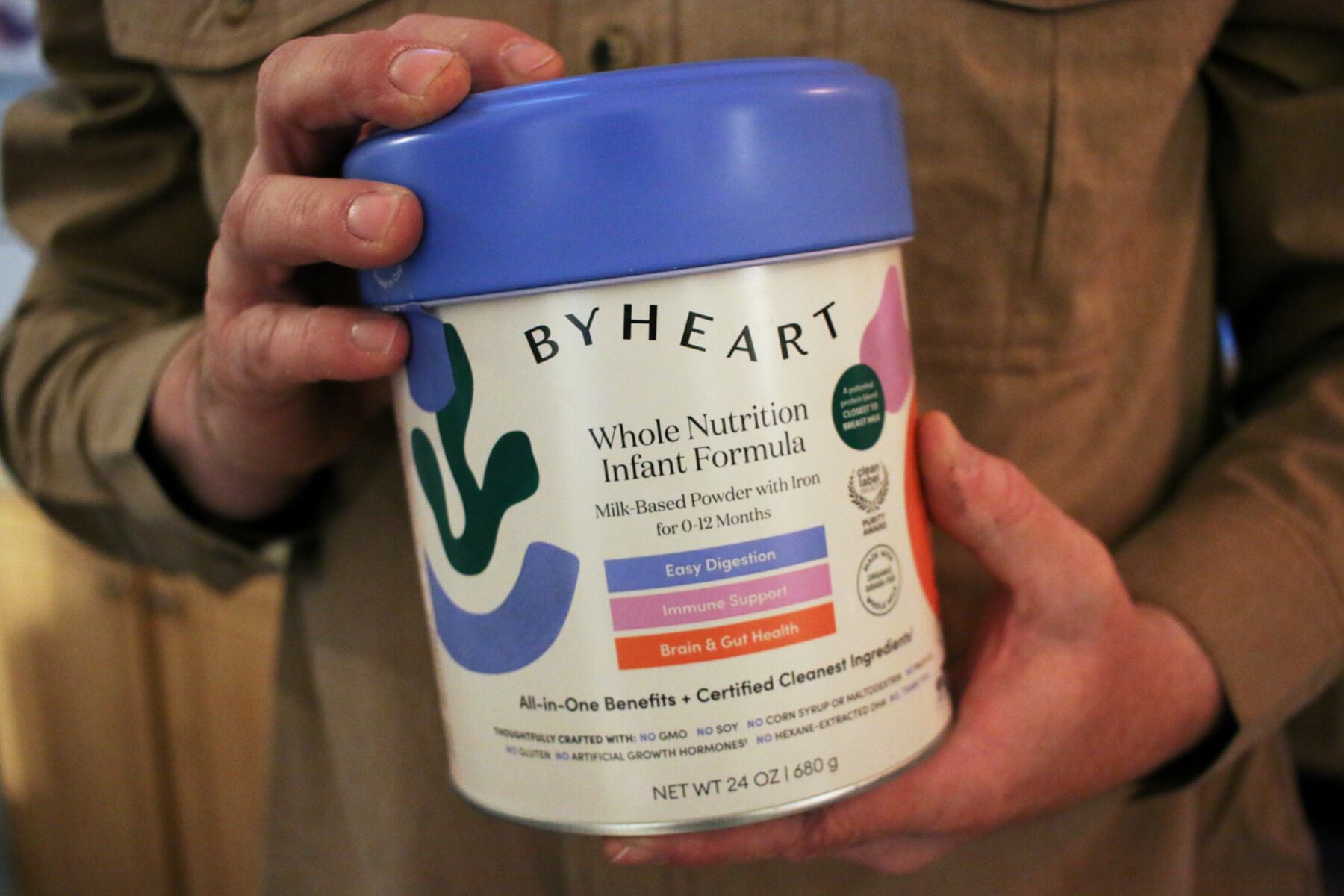
More than three dozen infants in the United States have fallen ill due to an outbreak of infant botulism linked to contaminated formula produced by ByHeart, a New York-based manufacturer. According to the Food and Drug Administration (FDA), 37 cases of confirmed or suspected illness were reported among babies who consumed ByHeart formula since August 2023, with the most recent case occurring on November 19, 2023. Fortunately, no deaths have been reported in connection with the outbreak, which was first announced on November 8.
In response to the outbreak, ByHeart recalled all its products sold in the U.S. on November 11. FDA inspectors have conducted visits to the company’s production facilities located in Allerton, Iowa, and Portland, Oregon. Although ByHeart accounts for approximately 1% of the U.S. infant formula market, it was selling around 200,000 cans of its product each month prior to the recall.
The outbreak has primarily affected infants aged between two weeks and nine months, who were hospitalized after consuming the powdered formula. California health officials confirmed that a sample from an open can of ByHeart formula, fed to an ill infant, contained the type of bacteria responsible for botulism. ByHeart has acknowledged that laboratory tests have confirmed some samples were contaminated with this bacteria.
The FDA is currently investigating a rise in infant botulism cases since August, stating that “ByHeart brand formula is disproportionately represented among sick infants in this outbreak.” The illnesses began between August 9 and November 19, with cases reported across multiple states, including Arizona, California, Idaho, Illinois, Kentucky, Maine, Massachusetts, Michigan, Minnesota, North Carolina, New Jersey, Oregon, Pennsylvania, Rhode Island, Texas, Washington, and Wisconsin.
Families of affected infants have initiated lawsuits against ByHeart, alleging that the infant formula was defective and that the company acted negligently in its distribution. These lawsuits seek compensation for medical expenses, emotional distress, and other damages related to the illnesses.
Infant botulism is a rare condition, typically affecting fewer than 200 babies in the U.S. each year. As of September 20, 2023, the Centers for Disease Control and Prevention (CDC) reported 133 cases of infant botulism in the U.S. for the year, with only 145 cases documented throughout the entirety of the previous year. The illness is caused by a bacteria that generates a toxin in the large intestine, and it is spread through hardy spores found in the environment. Infants are particularly susceptible to this infection due to their underdeveloped gut microbiomes, which cannot effectively combat the spores.
Symptoms of infant botulism can take weeks to manifest and may include poor feeding, loss of head control, drooping eyelids, and a flat facial expression. Affected infants may appear “floppy” and experience difficulties with swallowing or breathing. While baby formula has occasionally been linked to isolated cases of illness, this outbreak marks the first confirmed instance of a botulism outbreak associated with powdered formula.
The only known treatment for infant botulism is a medication called BabyBIG, which is administered intravenously and made from the pooled blood plasma of adults immunized against botulism. Developed by California’s infant botulism program, BabyBIG is the sole source of this treatment worldwide and aims to shorten hospital stays and reduce the severity of the illness.
Despite the seriousness of the situation, health officials maintain that there is little risk of widespread formula shortages because ByHeart’s market share is small. This stands in stark contrast to the infant formula crisis of late 2021 and 2022, which resulted from contamination issues at Abbott Nutrition’s Michigan plant. During that crisis, four infants fell ill from a different germ, with two fatalities reported.
In 2023, the FDA issued a warning letter to ByHeart detailing necessary corrective actions following inspection findings of mold, water leaks, and pest issues at the company’s Reading, Pennsylvania facility. In light of these incidents, federal health officials are committed to overhauling the U.S. food supply and have initiated a comprehensive review of infant formula. Health Secretary Robert F. Kennedy Jr. has directed the FDA to evaluate the nutrients and other ingredients in infant formula for the first time since 1998. This initiative, termed “Operation Stork Speed,” aims to ensure the safety and quality of infant nutrition.
As the investigation continues, the FDA is gathering input from industry stakeholders, health experts, and the public to inform future actions regarding infant formula safety.

Philadelphia Parks Launch Free Earth Month Events Starting April 1

Bradford’s Fish Fry Fridays Serve Community with Delicious Dinners

Trump Faces Growing Challenges Amid Rising Tensions with Iran

Scientists Probe the Universe’s Missing Topological Defects

Samsung Galaxy Watch 9 to Feature Larger 435mAh Battery

UConn Huskies Aim to Defend Title in 2026 NCAA Women’s Tournament

U.S. Littoral Combat Ships Dock in Malaysia Amid Regional Tensions

Healthy Choice Wellness Reports Quarterly Earnings, Shares Rise

Urgent News: Charles M. Payment Passes Away at 78 in Duluth

University of Hawaiʻi Joins $25.6M AI Project to Enhance Disaster Monitoring

Major Grant Enhances Cancer Care and Research in Hawaiʻi

Joleen Chaney, Beloved Journalist, Passes Leaving Lasting Legacy

San Francisco’s SFO to Welcome 16 Airlines with Nonstop Flights to Europe in 2026

Goldman Sachs Unveils 2026 Catalyst Playbook for Biotech Investors

Discover Top Business Smartphones for Professionals in 2026

Urgent Update: Tom Aspinall’s Vision Deteriorates After UFC 321

Texas Roadhouse Honors Veterans with Free Meal Vouchers

CD Projekt Red Confirms No Release for The Witcher 4 in 2026
-
Science9 months ago
University of Hawaiʻi Joins $25.6M AI Project to Enhance Disaster Monitoring
-
 Health8 months ago
Major Grant Enhances Cancer Care and Research in Hawaiʻi
-
 Top Stories9 months ago
Joleen Chaney, Beloved Journalist, Passes Leaving Lasting Legacy
-
 World7 months ago
San Francisco’s SFO to Welcome 16 Airlines with Nonstop Flights to Europe in 2026
-
 Business8 months ago
Goldman Sachs Unveils 2026 Catalyst Playbook for Biotech Investors
-
 Business8 months ago
Discover Top Business Smartphones for Professionals in 2026
-
 Top Stories9 months ago
Urgent Update: Tom Aspinall’s Vision Deteriorates After UFC 321
-
 Lifestyle9 months ago
Texas Roadhouse Honors Veterans with Free Meal Vouchers
-
 Entertainment8 months ago
CD Projekt Red Confirms No Release for The Witcher 4 in 2026
-

 Top Stories10 months ago
AI Disruption: AWS Faces Threat as Startups Shift Cloud Focus
-

 Health10 months ago
MIT Scientists Uncover Surprising Genomic Loops During Cell Division
-

 Entertainment10 months ago
Discover the Full Map of Pokémon Legends: Z-A’s Lumiose City