
World
Poland’s Economic Transformation: From Rationing to Global Powerhouse

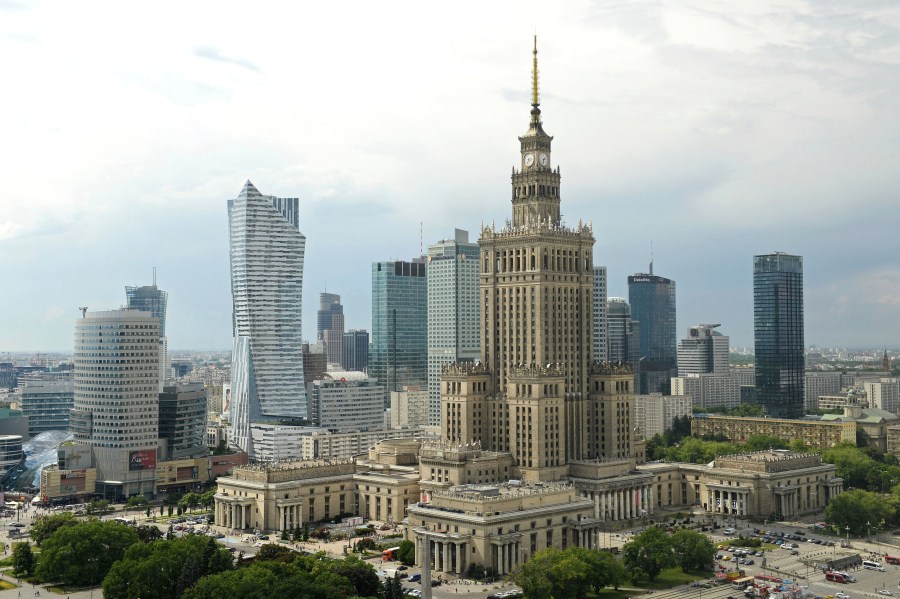
Poland has undergone a remarkable economic transformation over the past few decades. Once a nation struggling with rationed goods and low wages, it has now emerged as the world’s 20th largest economy, surpassing Switzerland with an annual output exceeding $1 trillion. This significant shift from the post-Communist landscape of 1989-90 to a thriving European economy underscores the resilience and adaptability of the Polish people and their institutions.
The journey began in the late 1980s when Poland was grappling with the remnants of a centrally planned economy. Citizens faced shortages of basic necessities like sugar and flour, and wages were less than 10% of those in West Germany. The political and economic turmoil of the era set the stage for profound changes that would reshape the country’s future.
Shifting Economic Paradigms
After the fall of Communism, Poland implemented a series of radical economic reforms aimed at transitioning to a market-oriented system. These changes, known as “shock therapy,” included privatization of state-owned enterprises, deregulation, and opening up to foreign investment. According to the International Monetary Fund (IMF), these reforms laid the groundwork for sustained economic growth, with Poland averaging an impressive annual GDP growth rate of around 4% to 5% over the past three decades.
Foreign investment played a critical role in Poland’s recovery, with multinational corporations establishing operations in the country, attracted by its skilled workforce and competitive labor costs. Major companies, including Volkswagen and General Motors, have invested billions in manufacturing facilities, further bolstering local economies and employment rates. As a result, Poland has seen a significant rise in living standards, with average wages increasing substantially.
Integration into European Markets
Poland’s accession to the European Union in 2004 marked another pivotal moment in its economic history. This integration opened new markets and provided access to substantial funding for infrastructure and development projects. The EU has invested heavily in Poland, with funds supporting everything from transportation to environmental initiatives. The positive impact of these investments is evident in the modernized infrastructure and growing urban centers across the country.
Today, cities like Poznan and Warsaw are bustling economic hubs, attracting talent and innovation. Poland’s strategic location in Central Europe has positioned it as a gateway for trade between Western Europe and the East, further enhancing its economic prospects.
Despite these successes, challenges remain. The country must navigate global economic uncertainties, including supply chain disruptions and inflationary pressures. Additionally, Poland faces the ongoing task of ensuring that its economic growth benefits all its citizens, particularly in rural areas that have not experienced the same level of success.
Poland’s transformation from a nation of scarcity to a thriving economy is a testament to its resilience and strategic policymaking. As it continues to evolve, the lessons learned from its past will guide future initiatives aimed at maintaining stability and fostering inclusive growth.
The Polish economic model serves as an inspiring example for other nations, illustrating the potential of dedicated reforms and international cooperation in achieving sustainable development and prosperity.

Philadelphia Parks Launch Free Earth Month Events Starting April 1

Bradford’s Fish Fry Fridays Serve Community with Delicious Dinners

Trump Faces Growing Challenges Amid Rising Tensions with Iran

Scientists Probe the Universe’s Missing Topological Defects

Samsung Galaxy Watch 9 to Feature Larger 435mAh Battery

UConn Huskies Aim to Defend Title in 2026 NCAA Women’s Tournament

U.S. Littoral Combat Ships Dock in Malaysia Amid Regional Tensions

Healthy Choice Wellness Reports Quarterly Earnings, Shares Rise

Urgent News: Charles M. Payment Passes Away at 78 in Duluth

University of Hawaiʻi Joins $25.6M AI Project to Enhance Disaster Monitoring

Major Grant Enhances Cancer Care and Research in Hawaiʻi

Joleen Chaney, Beloved Journalist, Passes Leaving Lasting Legacy

San Francisco’s SFO to Welcome 16 Airlines with Nonstop Flights to Europe in 2026

Discover Top Business Smartphones for Professionals in 2026

Goldman Sachs Unveils 2026 Catalyst Playbook for Biotech Investors

Texas Roadhouse Honors Veterans with Free Meal Vouchers

Urgent Update: Tom Aspinall’s Vision Deteriorates After UFC 321

MIT Scientists Uncover Surprising Genomic Loops During Cell Division
-
Science9 months ago
University of Hawaiʻi Joins $25.6M AI Project to Enhance Disaster Monitoring
-
 Health7 months ago
Major Grant Enhances Cancer Care and Research in Hawaiʻi
-
 Top Stories9 months ago
Joleen Chaney, Beloved Journalist, Passes Leaving Lasting Legacy
-
 World6 months ago
San Francisco’s SFO to Welcome 16 Airlines with Nonstop Flights to Europe in 2026
-
 Business7 months ago
Discover Top Business Smartphones for Professionals in 2026
-
 Business7 months ago
Goldman Sachs Unveils 2026 Catalyst Playbook for Biotech Investors
-
 Lifestyle8 months ago
Texas Roadhouse Honors Veterans with Free Meal Vouchers
-
 Top Stories9 months ago
Urgent Update: Tom Aspinall’s Vision Deteriorates After UFC 321
-
 Health9 months ago
MIT Scientists Uncover Surprising Genomic Loops During Cell Division
-

 Top Stories9 months ago
AI Disruption: AWS Faces Threat as Startups Shift Cloud Focus
-

 Entertainment9 months ago
Discover the Full Map of Pokémon Legends: Z-A’s Lumiose City
-

 Business9 months ago
Trulioo Introduces KYA to Revolutionize Digital Verification