
Health
Endodontist Dr. Allen Meier Clarifies Differences with Dentists

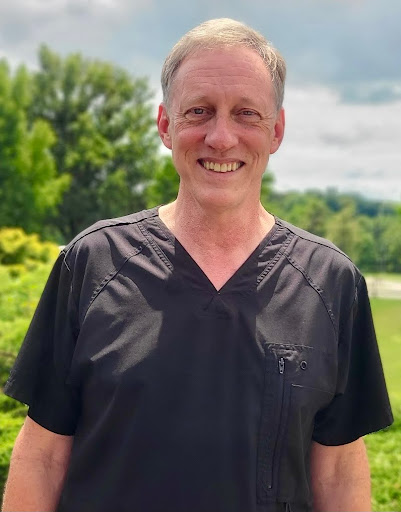
When experiencing tooth pain or dental trauma, understanding when to consult an endodontist rather than a general dentist can significantly impact treatment outcomes. In a recent article for HelloNation, Dr. Allen Meier of the Endodontic Center of Southern Indiana elaborated on the distinct roles these dental professionals play in patient care.
General dentists typically serve as the first point of contact for dental care. They conduct routine examinations, cleanings, and restorations such as fillings and crowns, which are essential for maintaining overall oral health. Their preventive approach helps patients manage dental hygiene and detect early signs of decay, ensuring that any issues are addressed before they escalate into more serious concerns.
In contrast, endodontists like Dr. Meier possess advanced training that focuses specifically on diagnosing and treating issues related to the tooth pulp. This specialization is crucial when a patient faces complex problems, such as deep tooth decay or infections that necessitate procedures like root canal therapy. The article highlights that endodontists utilize specialized tools and techniques, including magnification and digital imaging, to navigate the intricate internal structures of teeth.
When patients report symptoms such as sharp or persistent tooth pain, sensitivity to temperature changes, or swelling, these can indicate underlying issues that require endodontic intervention. While general dentists can identify these symptoms, they often refer patients to an endodontist for more specialized treatment. Dr. Meier points out that because endodontists perform root canal treatments regularly, they possess a level of skill and efficiency that can make the procedure smoother for patients.
Endodontists also play a vital role in managing dental trauma. Injuries such as cracks or fractures can extend into the root, complicating diagnosis and treatment. Dr. Meier utilizes advanced diagnostic tools to identify hidden fractures and assess whether the natural tooth can be salvaged. While general dentists may detect early signs of trauma, it is the endodontist’s expertise that is crucial for complex restorative procedures.
Technology further differentiates these two fields. General dentists use equipment designed for a variety of dental tasks, whereas endodontists are equipped with tools specifically for detailed internal procedures. The precision of endodontic work not only alleviates immediate discomfort but also supports long-term dental health by preventing recurring infections.
A common misconception about root canal therapy is that it is painful. Dr. Meier emphasizes that advancements in dental techniques have made these procedures significantly more comfortable than many patients anticipate. Endodontists are trained in pain management, which allows them to alleviate discomfort and anxiety during treatment.
Dr. Meier underscores the importance of knowing when to seek care from an endodontist versus a general dentist. Routine maintenance, such as check-ups and cleanings, is best handled by general dentists. When deeper issues arise, particularly persistent pain or significant infections, an endodontist becomes the appropriate choice. Often, the two professionals collaborate; a general dentist may diagnose an issue and subsequently refer the patient to an endodontist for treatment, followed by restoration of the tooth.
The article in HelloNation aims to clarify the roles of these two dental specialties, highlighting the importance of choosing the right provider at the right time. Understanding the distinction can lead to timely referrals, potentially saving a natural tooth from extraction in cases of severe trauma or infection.
Dr. Meier’s insights illustrate that effective dental care relies on collaboration between general dentists and endodontists, ensuring that patients receive comprehensive treatment for both internal and external dental issues. Through this teamwork, patients can maintain their oral health and enjoy longer-lasting, natural teeth.

Philadelphia Parks Launch Free Earth Month Events Starting April 1

Bradford’s Fish Fry Fridays Serve Community with Delicious Dinners

Trump Faces Growing Challenges Amid Rising Tensions with Iran

Scientists Probe the Universe’s Missing Topological Defects

Samsung Galaxy Watch 9 to Feature Larger 435mAh Battery

UConn Huskies Aim to Defend Title in 2026 NCAA Women’s Tournament

U.S. Littoral Combat Ships Dock in Malaysia Amid Regional Tensions

Healthy Choice Wellness Reports Quarterly Earnings, Shares Rise

Urgent News: Charles M. Payment Passes Away at 78 in Duluth

University of Hawaiʻi Joins $25.6M AI Project to Enhance Disaster Monitoring

Major Grant Enhances Cancer Care and Research in Hawaiʻi

Joleen Chaney, Beloved Journalist, Passes Leaving Lasting Legacy

San Francisco’s SFO to Welcome 16 Airlines with Nonstop Flights to Europe in 2026

Goldman Sachs Unveils 2026 Catalyst Playbook for Biotech Investors

Discover Top Business Smartphones for Professionals in 2026

Urgent Update: Tom Aspinall’s Vision Deteriorates After UFC 321

Texas Roadhouse Honors Veterans with Free Meal Vouchers

CD Projekt Red Confirms No Release for The Witcher 4 in 2026
-
Science9 months ago
University of Hawaiʻi Joins $25.6M AI Project to Enhance Disaster Monitoring
-
 Health8 months ago
Major Grant Enhances Cancer Care and Research in Hawaiʻi
-
 Top Stories9 months ago
Joleen Chaney, Beloved Journalist, Passes Leaving Lasting Legacy
-
 World7 months ago
San Francisco’s SFO to Welcome 16 Airlines with Nonstop Flights to Europe in 2026
-
 Business8 months ago
Goldman Sachs Unveils 2026 Catalyst Playbook for Biotech Investors
-
 Business8 months ago
Discover Top Business Smartphones for Professionals in 2026
-
 Top Stories10 months ago
Urgent Update: Tom Aspinall’s Vision Deteriorates After UFC 321
-
 Lifestyle9 months ago
Texas Roadhouse Honors Veterans with Free Meal Vouchers
-
 Entertainment8 months ago
CD Projekt Red Confirms No Release for The Witcher 4 in 2026
-

 Top Stories10 months ago
AI Disruption: AWS Faces Threat as Startups Shift Cloud Focus
-

 Health10 months ago
MIT Scientists Uncover Surprising Genomic Loops During Cell Division
-

 Entertainment10 months ago
Discover the Full Map of Pokémon Legends: Z-A’s Lumiose City