
Politics
Regulators’ New Rules on Drug Advertising Spark Free Speech Concerns

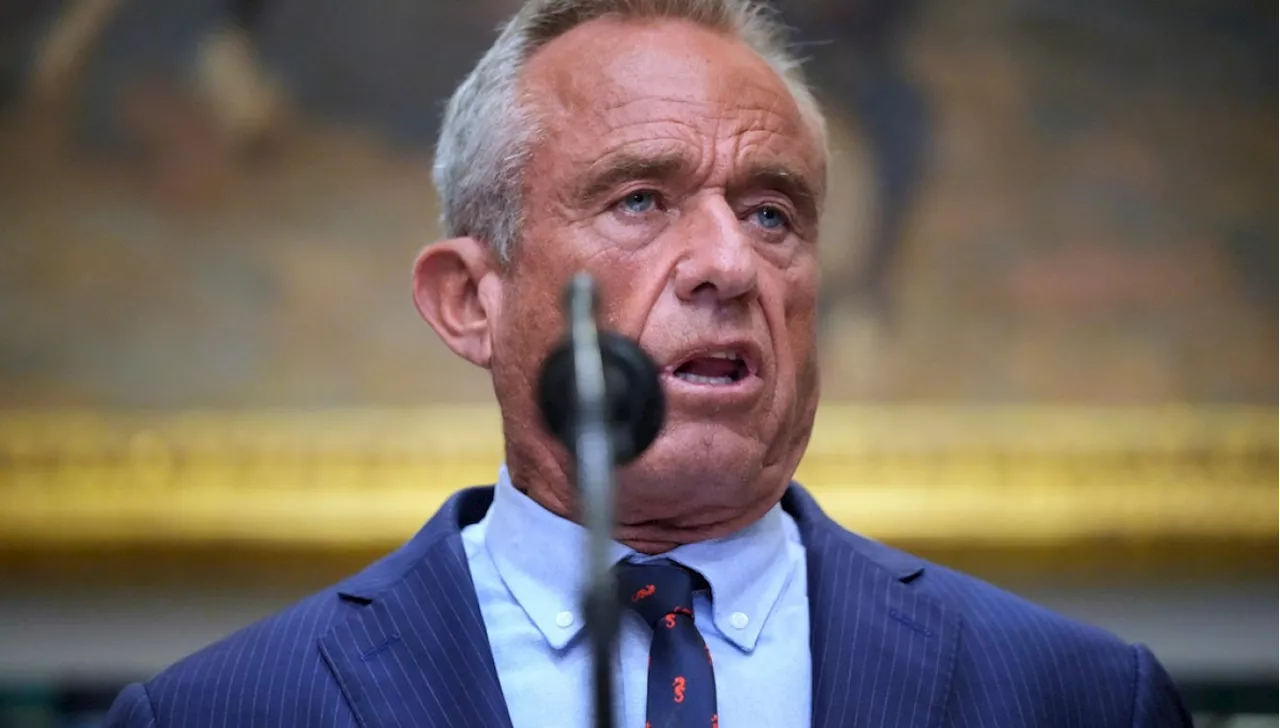
Proposed changes by the U.S. Department of Health and Human Services (HHS) regarding drug advertising have raised significant concerns about free speech and patient access to vital information. Critics argue that the new regulations could effectively silence legitimate advertising, undermining the ability of patients to make informed healthcare decisions.
The HHS’s initiative aims to impose stringent disclosure requirements on direct-to-consumer (DTC) drug advertisements. Proponents of the changes assert that they are necessary to protect patients from misleading information. Yet, many stakeholders believe that the regulations could create barriers that prevent legitimate ads from reaching the public. According to industry experts, such overregulation may lead to a chilling effect on communication between pharmaceutical companies and consumers.
Historically, the balance between safety and free speech has been a contentious issue. In 1995, a landmark court ruling found that excessively burdensome regulations on drug advertising were unconstitutional, affirming the need for truthful communication about medical products. In the years following, a compromise emerged that allowed for informative DTC advertising while ensuring that necessary risks were communicated to consumers.
The proposed reforms would introduce extensive new disclosure requirements that, according to critics, could render compliance nearly impossible. The HHS and the U.S. Food and Drug Administration (FDA) might inadvertently create a situation where advertisements become cluttered with mandated language, losing their effectiveness in conveying meaningful information.
As highlighted by legal experts, the Supreme Court has established that the government cannot restrict truthful speech simply because it might influence behavior. The First Amendment protects commercial speech, and any rule that effectively bans communication would likely face legal challenges. The Kennedy proposal, which seeks to impose these stringent requirements, could be viewed as a violation of these established principles.
Supporters of the current advertising model argue that DTC ads empower patients by informing them about treatment options. When patients are aware of new or emerging treatments, they are more likely to seek care and receive timely diagnoses. A lack of knowledge, they contend, could lead to worse health outcomes, not improved safety.
The advertising landscape has evolved significantly since the 1997 compromise, with digital media and social platforms now playing a crucial role in patient education. Critics fear that excessive regulation could stifle innovation and access to vital health information.
In light of these developments, calls for transparency and open dialogue are growing louder. The argument is clear: the solution to misinformation is not censorship, but rather more information. Censorship of legitimate advertising does not eliminate risks; it deprives consumers of essential knowledge needed to make informed health decisions.
HHS is urged to reconsider its approach to DTC advertising and to reaffirm the balance established in 1997. As the debate continues, stakeholders from various sectors are voicing their concerns, emphasizing that access to accurate health information is a cornerstone of a functional democracy. The public’s right to know should not be compromised in the name of regulation.
In conclusion, the path forward requires careful deliberation to ensure that regulations protect patients without stifling the flow of crucial information. The ongoing discussions surrounding drug advertising will likely shape the future of patient communication and healthcare access in the United States.

Philadelphia Parks Launch Free Earth Month Events Starting April 1

Bradford’s Fish Fry Fridays Serve Community with Delicious Dinners

Trump Faces Growing Challenges Amid Rising Tensions with Iran

Scientists Probe the Universe’s Missing Topological Defects

Samsung Galaxy Watch 9 to Feature Larger 435mAh Battery

UConn Huskies Aim to Defend Title in 2026 NCAA Women’s Tournament

U.S. Littoral Combat Ships Dock in Malaysia Amid Regional Tensions

Healthy Choice Wellness Reports Quarterly Earnings, Shares Rise

Urgent News: Charles M. Payment Passes Away at 78 in Duluth

University of Hawaiʻi Joins $25.6M AI Project to Enhance Disaster Monitoring

Major Grant Enhances Cancer Care and Research in Hawaiʻi

Joleen Chaney, Beloved Journalist, Passes Leaving Lasting Legacy

San Francisco’s SFO to Welcome 16 Airlines with Nonstop Flights to Europe in 2026

Goldman Sachs Unveils 2026 Catalyst Playbook for Biotech Investors

Discover Top Business Smartphones for Professionals in 2026

Urgent Update: Tom Aspinall’s Vision Deteriorates After UFC 321

Texas Roadhouse Honors Veterans with Free Meal Vouchers

CD Projekt Red Confirms No Release for The Witcher 4 in 2026
-
Science9 months ago
University of Hawaiʻi Joins $25.6M AI Project to Enhance Disaster Monitoring
-
 Health8 months ago
Major Grant Enhances Cancer Care and Research in Hawaiʻi
-
 Top Stories9 months ago
Joleen Chaney, Beloved Journalist, Passes Leaving Lasting Legacy
-
 World7 months ago
San Francisco’s SFO to Welcome 16 Airlines with Nonstop Flights to Europe in 2026
-
 Business8 months ago
Goldman Sachs Unveils 2026 Catalyst Playbook for Biotech Investors
-
 Business8 months ago
Discover Top Business Smartphones for Professionals in 2026
-
 Top Stories10 months ago
Urgent Update: Tom Aspinall’s Vision Deteriorates After UFC 321
-
 Lifestyle9 months ago
Texas Roadhouse Honors Veterans with Free Meal Vouchers
-
 Entertainment8 months ago
CD Projekt Red Confirms No Release for The Witcher 4 in 2026
-

 Top Stories10 months ago
AI Disruption: AWS Faces Threat as Startups Shift Cloud Focus
-

 Health10 months ago
MIT Scientists Uncover Surprising Genomic Loops During Cell Division
-

 Entertainment10 months ago
Discover the Full Map of Pokémon Legends: Z-A’s Lumiose City