
Politics
New U.S. Travel Rules Require Social Media History Disclosure

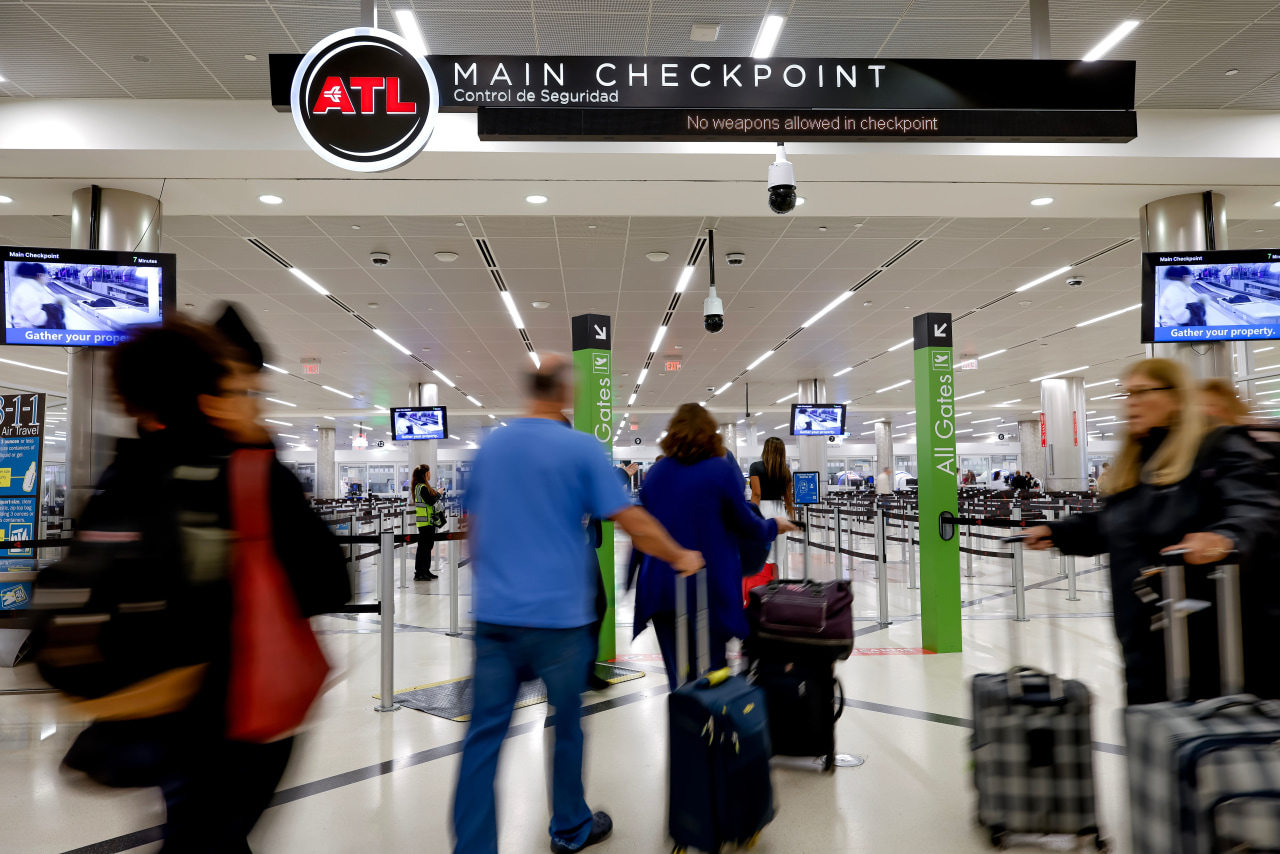
Citizens from countries including the United Kingdom, France, and Japan will soon need to disclose five years of their social media history to enter the United States, despite being part of the existing Visa Waiver Program. This significant policy change, announced by the U.S. Department of Homeland Security, aims to bolster national security and enhance the vetting process for visitors.
Under the proposed regulations, individuals from nations that typically enjoy visa-free travel for short stays will be required to provide detailed social media accounts. This includes platforms such as Facebook, Twitter, and Instagram. Such measures come in response to growing concerns over the influence of social media on security threats and foreign relations.
The decision, expected to take effect in March 2024, reflects a broader trend in international travel policies emphasizing security. The Department of Homeland Security stated that the intention is to gather more comprehensive data on travelers, thus allowing for improved risk assessments.
Impact on Travelers and International Relations
Critics of the new regulations express concern over privacy and the potential implications for personal freedom. They argue that requiring extensive social media data could deter many individuals from traveling to the U.S. The measure has raised questions about the balance between security and civil liberties, particularly among countries that have previously enjoyed relaxed entry requirements.
Supporters, however, assert that the policy is a necessary step in adapting to evolving threats in a digital age. They point to incidents where social media played a role in facilitating unlawful activities. By examining online behavior, authorities hope to identify potential risks before they manifest.
The policy not only affects travelers but also has potential diplomatic ramifications. Nations participating in the Visa Waiver Program may need to reassess their own security protocols and data sharing agreements with the U.S. as they navigate this new requirement.
Future Considerations
As the U.S. implements this policy, travelers should prepare for changes in their travel documentation. The Department of Homeland Security will provide further guidance on how to submit social media information and what specific data will be required. Meanwhile, international communities will be watching closely to gauge how this policy impacts tourism and diplomatic relations.
The initiative signifies a shift in how nations view security in an increasingly interconnected world. As the landscape of international travel evolves, both governments and travelers will need to adapt to these new expectations. This upcoming requirement underscores the importance of vigilance in safeguarding national security while striving to maintain open borders for legitimate travelers.

Philadelphia Parks Launch Free Earth Month Events Starting April 1

Bradford’s Fish Fry Fridays Serve Community with Delicious Dinners

Trump Faces Growing Challenges Amid Rising Tensions with Iran

Scientists Probe the Universe’s Missing Topological Defects

Samsung Galaxy Watch 9 to Feature Larger 435mAh Battery

UConn Huskies Aim to Defend Title in 2026 NCAA Women’s Tournament

U.S. Littoral Combat Ships Dock in Malaysia Amid Regional Tensions

Healthy Choice Wellness Reports Quarterly Earnings, Shares Rise

Urgent News: Charles M. Payment Passes Away at 78 in Duluth

University of Hawaiʻi Joins $25.6M AI Project to Enhance Disaster Monitoring

Major Grant Enhances Cancer Care and Research in Hawaiʻi

Joleen Chaney, Beloved Journalist, Passes Leaving Lasting Legacy

San Francisco’s SFO to Welcome 16 Airlines with Nonstop Flights to Europe in 2026

Goldman Sachs Unveils 2026 Catalyst Playbook for Biotech Investors

Discover Top Business Smartphones for Professionals in 2026

Urgent Update: Tom Aspinall’s Vision Deteriorates After UFC 321

Texas Roadhouse Honors Veterans with Free Meal Vouchers

CD Projekt Red Confirms No Release for The Witcher 4 in 2026
-
Science9 months ago
University of Hawaiʻi Joins $25.6M AI Project to Enhance Disaster Monitoring
-
 Health8 months ago
Major Grant Enhances Cancer Care and Research in Hawaiʻi
-
 Top Stories9 months ago
Joleen Chaney, Beloved Journalist, Passes Leaving Lasting Legacy
-
 World7 months ago
San Francisco’s SFO to Welcome 16 Airlines with Nonstop Flights to Europe in 2026
-
 Business8 months ago
Goldman Sachs Unveils 2026 Catalyst Playbook for Biotech Investors
-
 Business8 months ago
Discover Top Business Smartphones for Professionals in 2026
-
 Top Stories9 months ago
Urgent Update: Tom Aspinall’s Vision Deteriorates After UFC 321
-
 Lifestyle9 months ago
Texas Roadhouse Honors Veterans with Free Meal Vouchers
-
 Entertainment8 months ago
CD Projekt Red Confirms No Release for The Witcher 4 in 2026
-

 Top Stories10 months ago
AI Disruption: AWS Faces Threat as Startups Shift Cloud Focus
-

 Health10 months ago
MIT Scientists Uncover Surprising Genomic Loops During Cell Division
-

 Entertainment10 months ago
Discover the Full Map of Pokémon Legends: Z-A’s Lumiose City