
Business
California Faces $5 Gas Prices as Refineries Close in 2024

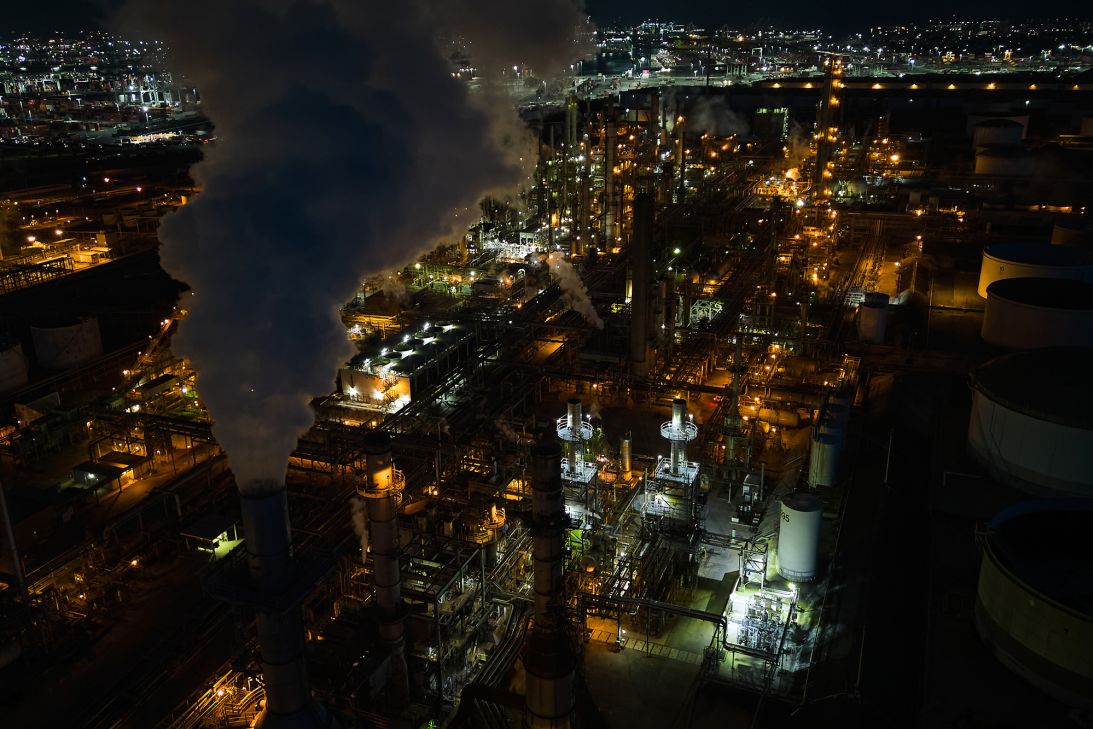
California is bracing for a potential surge in gasoline prices, with projections indicating that prices could reach as high as $5 per gallon in 2024. The state’s ongoing refinery closures are contributing to this alarming forecast, as two significant refineries are set to cease operations soon. A refinery in the Los Angeles area will close at the end of October 2023, followed by another in the Bay Area in April 2024. Together, these facilities account for approximately 17% of California’s gasoline supply.
Currently, California drivers are already facing prices that are about 50% higher than the national average, with the current price hovering around $4.32 per gallon. According to Andy Lipow, president of Lipow Oil Associates, these closures could lead to an additional 50 cents increase in gas prices. “The loss of the refineries is certainly going to result in California having much shorter gasoline supplies,” Lipow stated. “The price of gasoline in California will rise on a sustained level, because it’ll have to attract imported gasoline month in and month out.”
Risks of Supply Shortages
The closures pose a significant risk of widespread shortages, particularly if any of the remaining six refineries in California experience unplanned outages due to fires or other incidents. This concern is heightened by the recent challenges faced by the Martinez refinery, which suffered a fire in February 2023 and has yet to return to normal capacity. Veteran oil analyst Tom Kloza emphasized the precariousness of the situation, noting that with only six operational refineries, the state is particularly vulnerable: “When you have only six, and one of them is down — God forbid you have a fire — you’re in trouble. It’s then a market that can easily go to $5 to $6 a gallon.”
As it stands, only Hawaii has a higher average price for gasoline than California. The state also imposes the highest gas tax in the country, currently at nearly 71 cents per gallon, more than twice the national average. Additionally, California’s carbon tax, which is absorbed by gasoline retailers and ultimately passed on to consumers, can add another 20 to 25 cents to the price per gallon.
Future Projections and Business Decisions
Despite these challenges, the California Energy Commission remains optimistic. Officials assert that the state will not face significant shortages, citing the upcoming return of the Martinez refinery and other potential sources for gasoline. “As California refining capacity decreases over time, the state will import less crude and more refined oil products,” they indicated in a statement. They believe that refiners around the world are adapting to meet California’s stringent fuel standards.
The closures have been attributed to a combination of operational costs and regulatory pressures. Phillips 66, which operates the Los Angeles refinery, described the facility as a “challenged asset” due to the high costs of doing business in California. Similarly, Valero announced its closure of the Bay Area refinery due to the regulatory environment and financial uncertainties.
While gasoline demand remains high, the rise of electric vehicles (EVs) in California is noteworthy. Currently, only 6% of vehicles on California roads are pure EVs or plug-in hybrids. Nevertheless, California leads the nation in new EV sales, with nearly 25% of new sales in the first nine months of 2023 attributed to electric vehicles. This transition may gradually reduce gasoline consumption, but the state’s plans to ban new gasoline-powered vehicles by 2035 have prompted some refinery operators to reconsider their investments in the region.
Industry experts, such as Jodie Muller, CEO of the Western States Petroleum Association, express concern that the continued closures will weaken the gasoline supply system, leading to higher prices and potential disruptions. “These companies are making business decisions based on conditions years down the road and decided that California is a difficult place to do business,” Muller noted.
As California navigates this complex landscape, the interplay between regulatory measures, market dynamics, and evolving consumer preferences will be critical in determining the future of gasoline prices in the state. As it stands, the outlook for California drivers remains uncertain, with potential prices on the rise as the state adjusts to a diminishing refining capacity.

Philadelphia Parks Launch Free Earth Month Events Starting April 1

Bradford’s Fish Fry Fridays Serve Community with Delicious Dinners

Trump Faces Growing Challenges Amid Rising Tensions with Iran

Scientists Probe the Universe’s Missing Topological Defects

Samsung Galaxy Watch 9 to Feature Larger 435mAh Battery

UConn Huskies Aim to Defend Title in 2026 NCAA Women’s Tournament

U.S. Littoral Combat Ships Dock in Malaysia Amid Regional Tensions

Healthy Choice Wellness Reports Quarterly Earnings, Shares Rise

Urgent News: Charles M. Payment Passes Away at 78 in Duluth

University of Hawaiʻi Joins $25.6M AI Project to Enhance Disaster Monitoring

Major Grant Enhances Cancer Care and Research in Hawaiʻi

Joleen Chaney, Beloved Journalist, Passes Leaving Lasting Legacy

San Francisco’s SFO to Welcome 16 Airlines with Nonstop Flights to Europe in 2026

Goldman Sachs Unveils 2026 Catalyst Playbook for Biotech Investors

Discover Top Business Smartphones for Professionals in 2026

Urgent Update: Tom Aspinall’s Vision Deteriorates After UFC 321

Texas Roadhouse Honors Veterans with Free Meal Vouchers

CD Projekt Red Confirms No Release for The Witcher 4 in 2026
-
Science9 months ago
University of Hawaiʻi Joins $25.6M AI Project to Enhance Disaster Monitoring
-
 Health8 months ago
Major Grant Enhances Cancer Care and Research in Hawaiʻi
-
 Top Stories9 months ago
Joleen Chaney, Beloved Journalist, Passes Leaving Lasting Legacy
-
 World7 months ago
San Francisco’s SFO to Welcome 16 Airlines with Nonstop Flights to Europe in 2026
-
 Business8 months ago
Goldman Sachs Unveils 2026 Catalyst Playbook for Biotech Investors
-
 Business8 months ago
Discover Top Business Smartphones for Professionals in 2026
-
 Top Stories10 months ago
Urgent Update: Tom Aspinall’s Vision Deteriorates After UFC 321
-
 Lifestyle9 months ago
Texas Roadhouse Honors Veterans with Free Meal Vouchers
-
 Entertainment8 months ago
CD Projekt Red Confirms No Release for The Witcher 4 in 2026
-

 Top Stories10 months ago
AI Disruption: AWS Faces Threat as Startups Shift Cloud Focus
-

 Health10 months ago
MIT Scientists Uncover Surprising Genomic Loops During Cell Division
-

 Entertainment10 months ago
Discover the Full Map of Pokémon Legends: Z-A’s Lumiose City