
Business
Master Your Dining Etiquette: Key Mistakes to Avoid

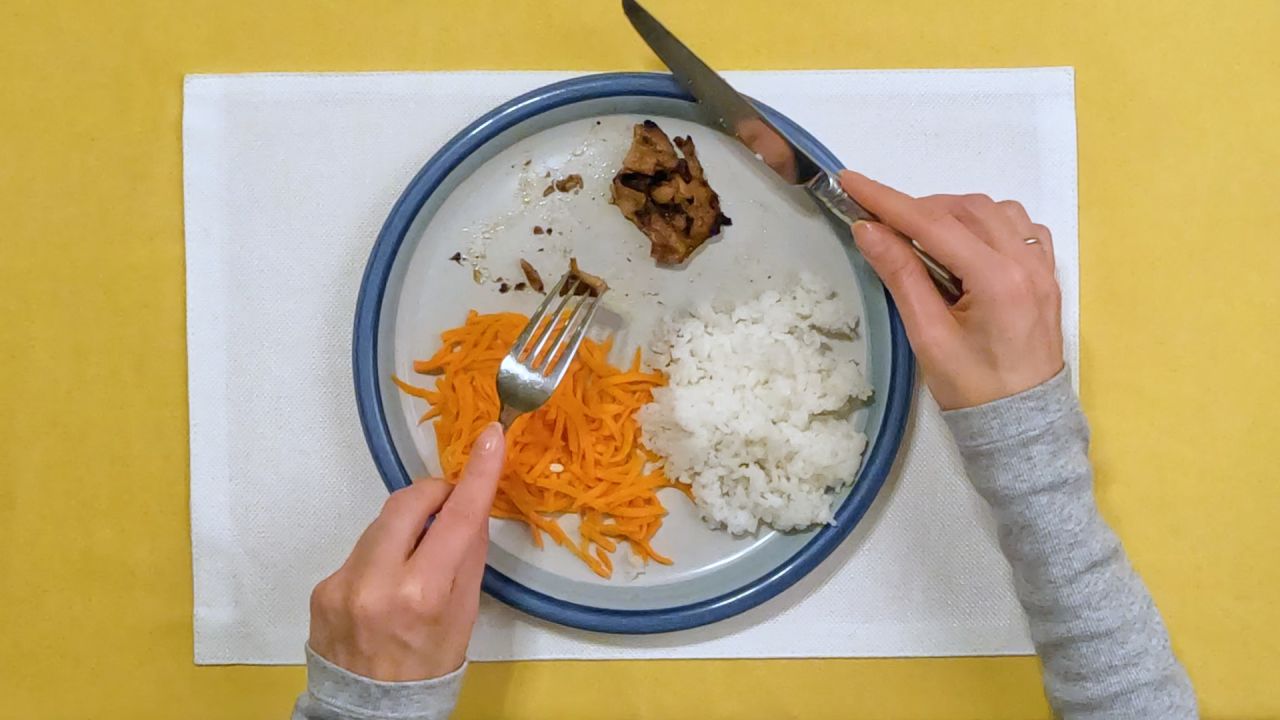
Dining etiquette can significantly influence social and professional interactions. According to business etiquette expert Jacqueline Whitmore, many individuals unknowingly make common mistakes when using their forks and knives. Her insights shed light on the differences between American and Continental dining styles and emphasize the importance of proper etiquette in various settings.
Understanding the distinctions between American and Continental styles is crucial for anyone looking to navigate formal dining situations successfully. In the American style, diners typically cut their food with a knife and fork, then place the knife down on the edge of the plate before switching the fork to their dominant hand to eat. In contrast, the Continental style involves holding the fork in the left hand and the knife in the right throughout the meal. This difference can lead to confusion for those attending international gatherings or business meetings.
Mistakes in dining etiquette often arise from a lack of awareness. For instance, placing elbows on the table while eating is generally frowned upon in formal settings. Additionally, failing to keep cutlery in the correct position after using it can signal to servers that one is still eating, which may delay service.
Whitmore emphasizes that the significance of dining etiquette extends beyond mere appearance. “Good manners can create a positive impression and foster strong relationships,” she states. This is especially true in business contexts, where first impressions are vital. Understanding and practicing correct dining etiquette can even influence the outcomes of negotiations and partnerships.
Another common pitfall is the misplacement of napkins. In formal dining, the napkin should be placed on one’s lap shortly after being seated. Leaving it on the table while eating is a mistake that can be perceived as impolite. After the meal, the napkin should be placed neatly beside the plate, rather than crumpled or thrown on the table.
As the world becomes increasingly interconnected, the ability to adapt to various dining customs is essential. Whitmore advises individuals to research the etiquette norms of different cultures, particularly when traveling or conducting business internationally. This attention to detail can help avoid misunderstandings and enhance social interactions.
In conclusion, mastering dining etiquette is not merely a matter of tradition; it reflects respect for oneself and others. By being aware of the common mistakes highlighted by Jacqueline Whitmore, individuals can improve their social skills and create more favorable impressions in both personal and professional environments.

Philadelphia Parks Launch Free Earth Month Events Starting April 1

Bradford’s Fish Fry Fridays Serve Community with Delicious Dinners

Trump Faces Growing Challenges Amid Rising Tensions with Iran

Scientists Probe the Universe’s Missing Topological Defects

Samsung Galaxy Watch 9 to Feature Larger 435mAh Battery

UConn Huskies Aim to Defend Title in 2026 NCAA Women’s Tournament

U.S. Littoral Combat Ships Dock in Malaysia Amid Regional Tensions

Healthy Choice Wellness Reports Quarterly Earnings, Shares Rise

Urgent News: Charles M. Payment Passes Away at 78 in Duluth

University of Hawaiʻi Joins $25.6M AI Project to Enhance Disaster Monitoring

Major Grant Enhances Cancer Care and Research in Hawaiʻi

Joleen Chaney, Beloved Journalist, Passes Leaving Lasting Legacy

San Francisco’s SFO to Welcome 16 Airlines with Nonstop Flights to Europe in 2026

Goldman Sachs Unveils 2026 Catalyst Playbook for Biotech Investors

Discover Top Business Smartphones for Professionals in 2026

Urgent Update: Tom Aspinall’s Vision Deteriorates After UFC 321

Texas Roadhouse Honors Veterans with Free Meal Vouchers

CD Projekt Red Confirms No Release for The Witcher 4 in 2026
-
Science9 months ago
University of Hawaiʻi Joins $25.6M AI Project to Enhance Disaster Monitoring
-
 Health8 months ago
Major Grant Enhances Cancer Care and Research in Hawaiʻi
-
 Top Stories9 months ago
Joleen Chaney, Beloved Journalist, Passes Leaving Lasting Legacy
-
 World7 months ago
San Francisco’s SFO to Welcome 16 Airlines with Nonstop Flights to Europe in 2026
-
 Business8 months ago
Goldman Sachs Unveils 2026 Catalyst Playbook for Biotech Investors
-
 Business8 months ago
Discover Top Business Smartphones for Professionals in 2026
-
 Top Stories10 months ago
Urgent Update: Tom Aspinall’s Vision Deteriorates After UFC 321
-
 Lifestyle9 months ago
Texas Roadhouse Honors Veterans with Free Meal Vouchers
-
 Entertainment8 months ago
CD Projekt Red Confirms No Release for The Witcher 4 in 2026
-

 Top Stories10 months ago
AI Disruption: AWS Faces Threat as Startups Shift Cloud Focus
-

 Health10 months ago
MIT Scientists Uncover Surprising Genomic Loops During Cell Division
-

 Entertainment10 months ago
Discover the Full Map of Pokémon Legends: Z-A’s Lumiose City